我…我怎么看不见了?
“Why… Why can't I see?”
THE DIALOGUE REEL
至暗降世
“let utter darkness descend.”
我…我 怎么看 不见了 ?
“Why… Why can't I see?”
姐姐
“Wangyan…”
Direct spoken expression in this communicative setting.
Stuttering the first-person pronoun ('我…我') is a universal and vivid spoken marker in Chinese drama indicating loss of composure and acute dread.
LEARNING CHUNKS & PARTICLES
why can't I see anymore?
A natural spoken construction combining '怎么' (why/how) with the potential complement '看不见' and change-of-state '了'.
Functions as a sentence-final particle signaling a sudden change of state from seeing to being unable to see.
VOCABULARY & EXPRESSIONS
Parallel Spoken Cinema Scenes (语义近邻切片)

“I didn't see anything. I only saw you.”

“no one can see me anymore,”
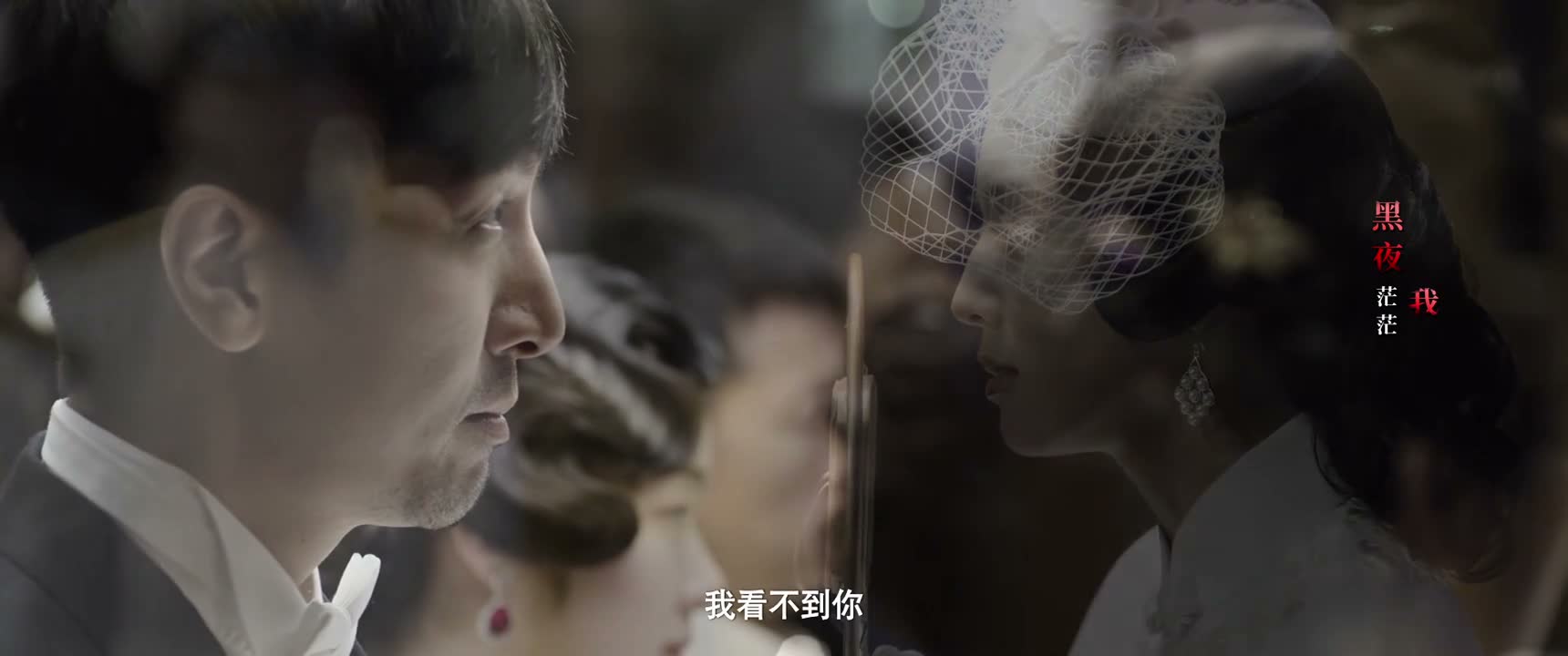
“I cannot see you”
“I didn't see that.”
“How could she not? I don't know where she went.”

“I… I was going to see who that person was.”