没得玩 活着干嘛
“If I can't enjoy life, why live?”
THE DIALOGUE REEL
多活两天又怎么样
“What's the point of living long?”
没得玩 活着 干嘛
“If I can't enjoy life, why live?”
你为什么不劝我
“Don't you talk me out of it?”
“I would rather enjoy myself now than live a boring, restricted life—aren't you going to try to stop me?”
While traditional Chinese values emphasize longevity and cautious health preservation, modern youth often express a 'live in the moment' rebellion against joyless self-denial.
LEARNING CHUNKS & PARTICLES
nothing fun to do; unable to have fun
Colloquial structure using 'meide + verb' to indicate a lack of opportunity or permission to do something enjoyable.
what is the point of living
A dramatic rhetorical question used either in genuine existential despair or as hyperbole when complaining about a joyless situation.
Part of the colloquial question word asking 'for what purpose', adding a blunt, challenging edge to the rhetorical question.
VOCABULARY & EXPRESSIONS
Parallel Spoken Cinema Scenes (语义近邻切片)

“we will all be screwed.”

“You're not playing anymore? Yes.”
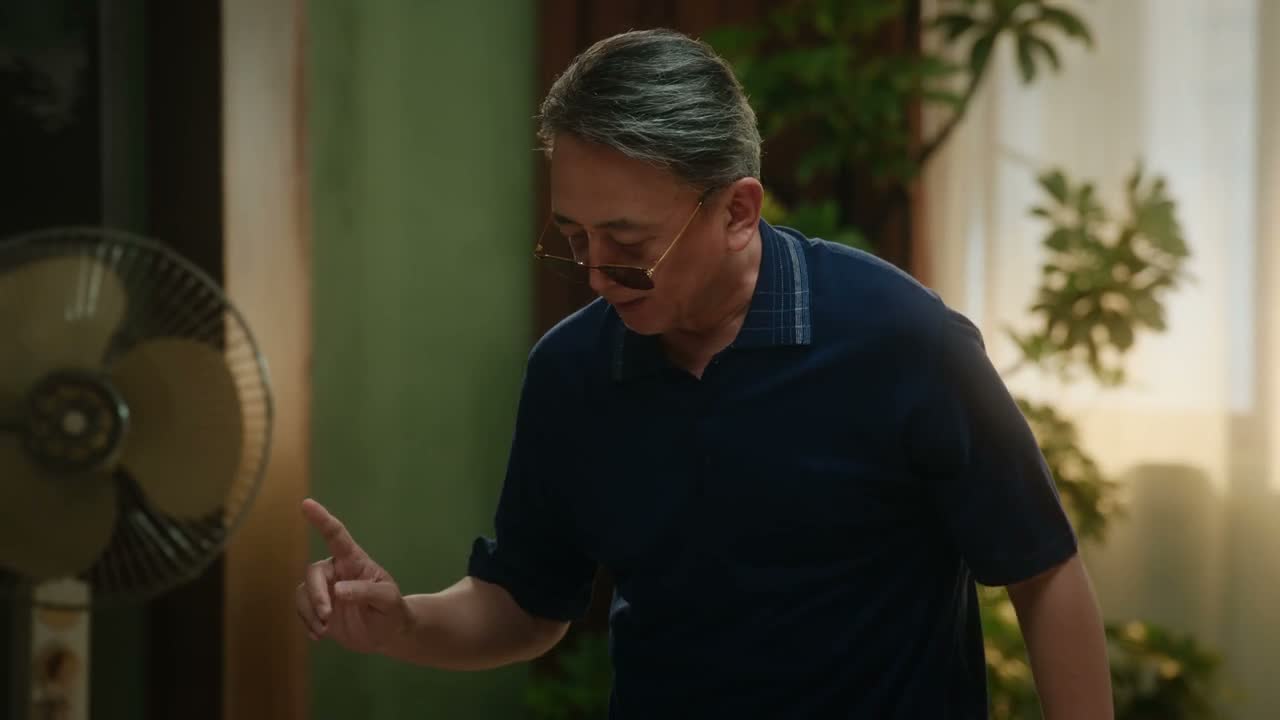
“Don't let it happen again.”
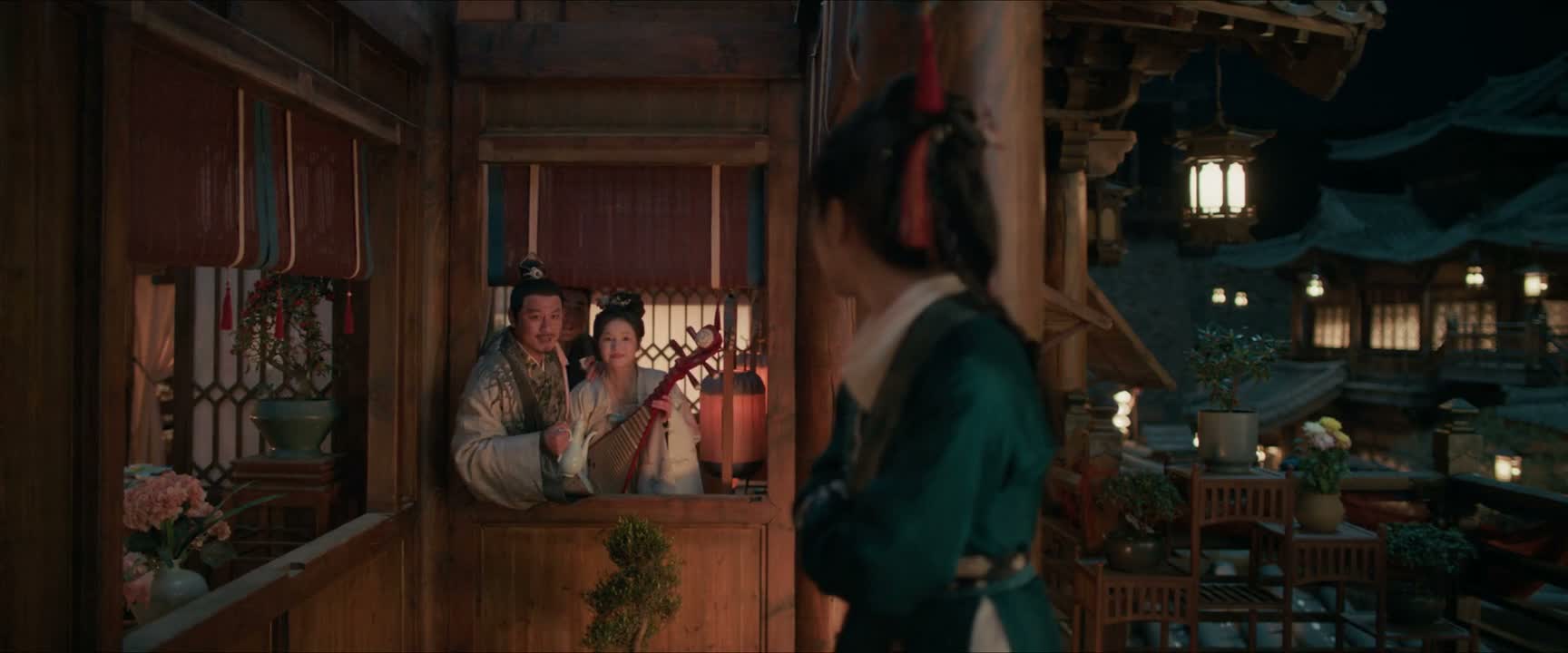
“No thanks. You guys enjoy.”

“I deserve to die horribly.”
“they would eat you two alive.”