你把我当棋子 来掩盖你的犯罪事实
“You used me as a pawn to cover up your crime.”
THE DIALOGUE REEL
“You set this trap long ago.”
你把我 当棋子 来 掩盖 你的犯罪 事实
“You used me as a pawn to cover up your crime.”
我还感谢你 当初在庭上
“I even thank you for not presenting the diary in court as key evidence”
Direct spoken expression in this communicative setting.
In Chinese narrative and interpersonal rhetoric, viewing someone as a 'pawn' emphasizes deep betrayal, loss of personal agency, and calculated exploitation.
LEARNING CHUNKS & PARTICLES
to treat someone as a pawn
Used when expressing outrage at being used or manipulated by someone for their selfish agenda.
to cover up the facts of...
A formal and accusatory collocation used when exposing someone hiding the truth or wrongdoing.
VOCABULARY & EXPRESSIONS
Parallel Spoken Cinema Scenes (语义近邻切片)
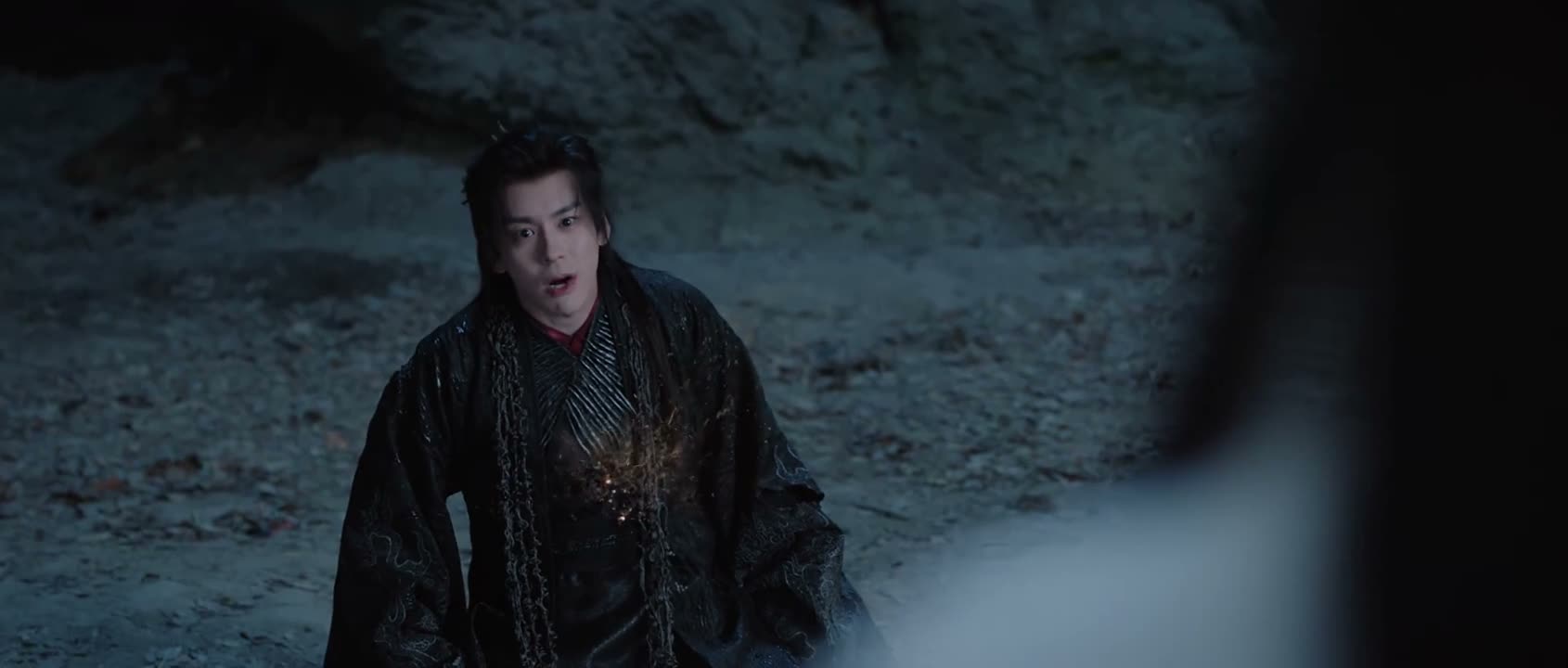
“treated me as a pawn.”

“And I'm not a pawn who you can push around.”
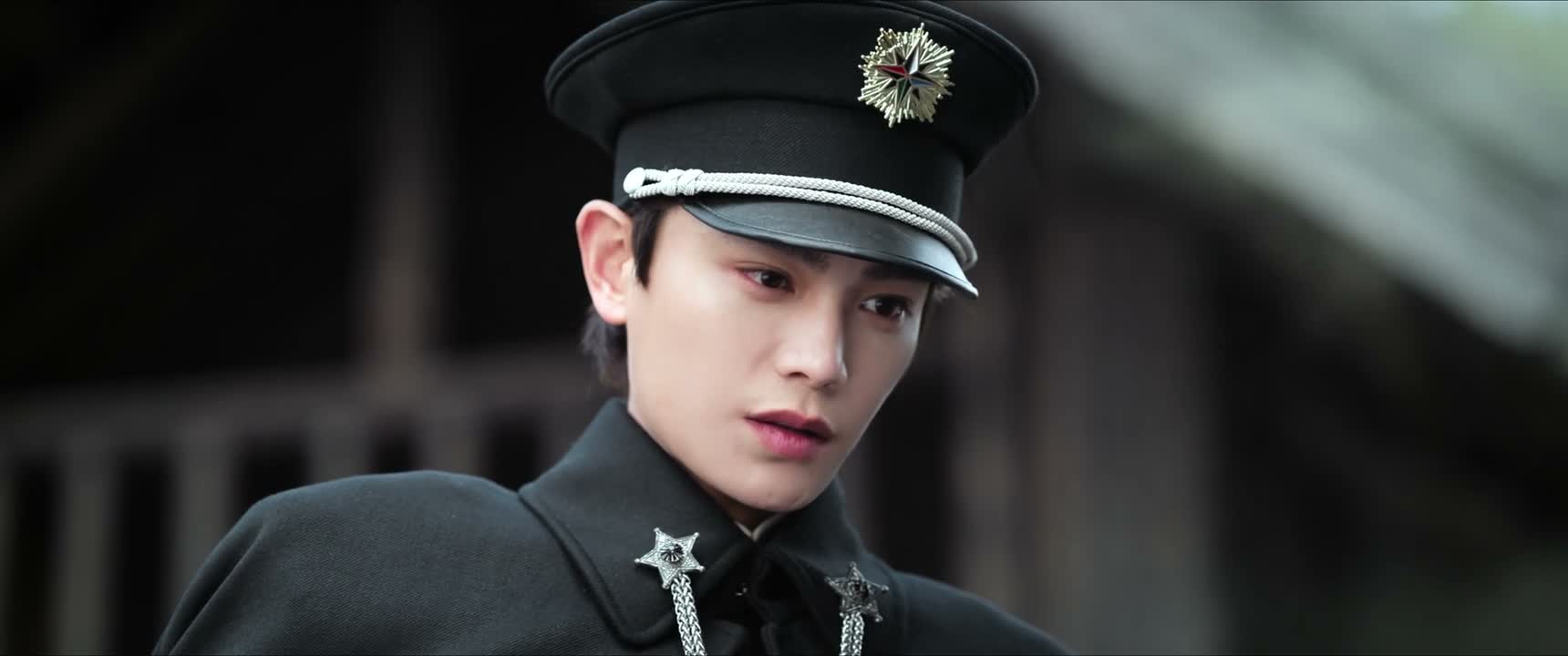
“so I was just a pawn too.”

“Now I've become both your shield and your weakness.”

“We're both pawns. Let's not apologize for that.”

“Nor did I treat you as a pawn.”