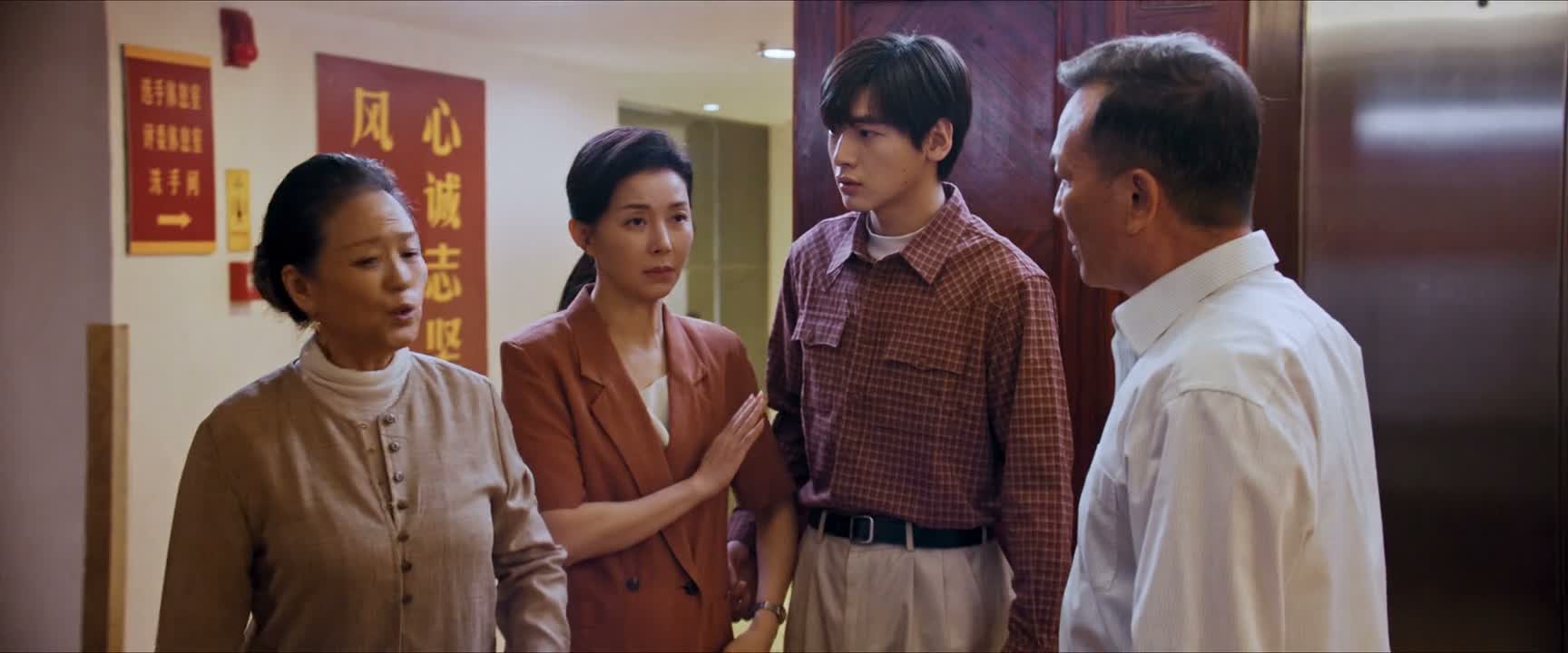
《Coroner's Diary》 S1·E36 (23:17)
HSK 3
zhè tiáo lù dōu shì zì jǐ xuǎn de méi yǒu shuí duì shuí cuò
这条路都是自己选的 没有谁对谁错
“We all chose our own paths. There's no right or wrong.”
《Coroner's Diary》
S1·E36
TIMECODE: 23:17
·
1080P MASTER AUDIO
THE DIALOGUE REEL
[-1] PREVIOUS TURN
lái
来
“Come.”
zhè tiáo lù dōu shì zì jǐ xuǎn de méi yǒu shuí duì shuí cuò
CURRENT FOCUS
这条路都是 自己选的 没有谁对谁错
“We all chose our own paths. There's no right or wrong.”
[+1] FOLLOW-UP TURN
jiǔ mèi mèi
九妹妹
“Wan,”
Subtitles synced to millisecond timecode
Browse Show Clips →
Scene:
Historical & Court
Function:
PHILOSOPHICAL ACCEPTANCE
Tone:
REFLECTIVE
Emotion:
RESIGNATION
WHAT THEY REALLY MEAN (PRAGMATIC SUBTEXT)
“We both made our beds and must lie in them; don't blame yourself or me.”
💡 Cultural Insight: Relational Harmony Over Absolute Blame
In Chinese interpersonal philosophy, especially among family or close peers, setting aside 'who is right or wrong' is a common way to preserve emotional peace or accept fate gracefully.
INTENT TAGS:
#acceptance
#absolving_blame
#resignation
#closure
🧩
2 CHUNKS · 1 PARTICLES
LEARNING CHUNKS & PARTICLES
自己选的
SPOKEN CHUNK
chosen by oneself
Often used to emphasize personal accountability when facing difficult outcomes.
谁对谁错
SPOKEN CHUNK
who is right and who is wrong
Commonly preceded by negation to state that a relationship or dispute cannot be judged in simple black-and-white terms.
Modal Particle「的」 (de)
CHANGE OF STATE
Part of the '是...的' construction, adding emphasis and certainty to how the path was chosen.
🏮
2 EXPR · 0 GRAMMAR
VOCABULARY & EXPRESSIONS
COLLOQUIAL EXPRESSIONS:
CROSS-CINEMA CORPUS BOARD · PARALLEL SCENES
EXPLORE BY SEMANTIC SIMILARITY
Parallel Spoken Cinema Scenes (语义近邻切片)

《Coroner's Diary》 S1·E36 (23:17) · Authentic Cinema Dialogue Corpus