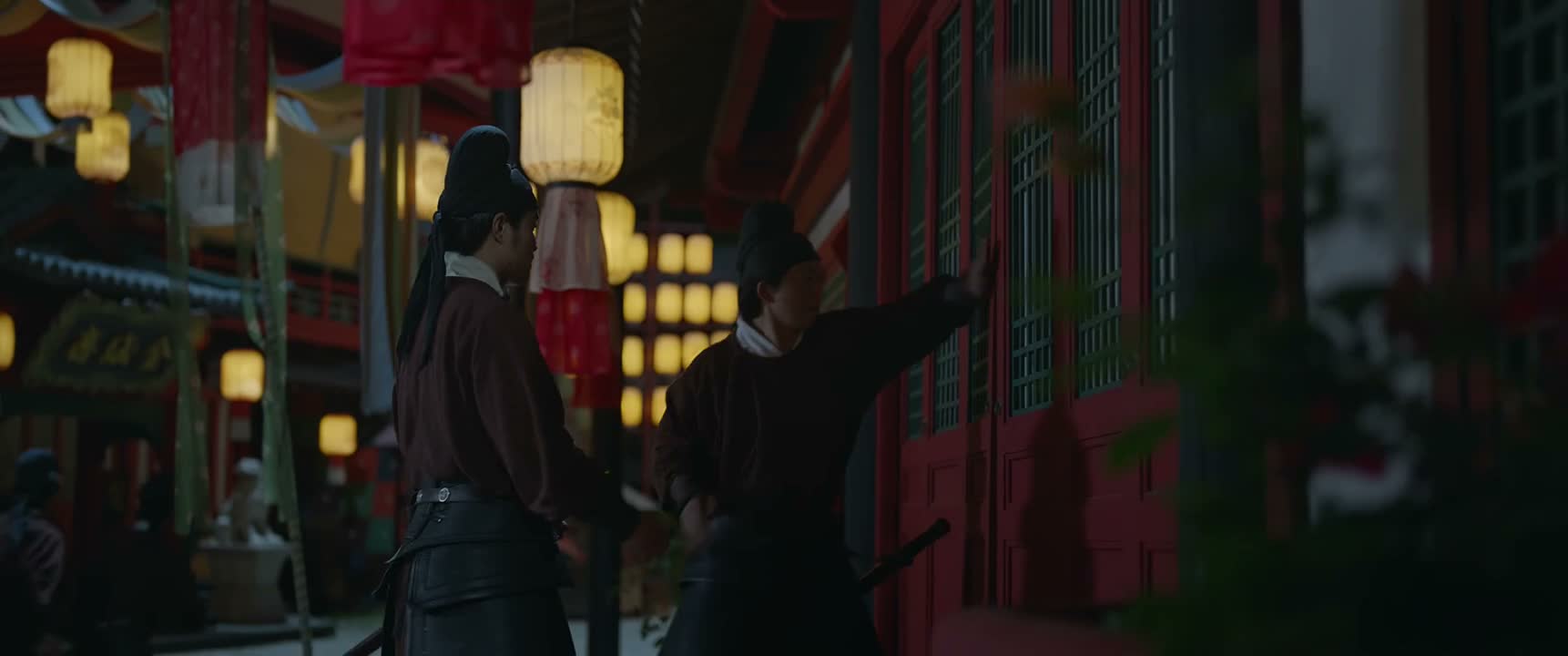
《The First Jasmine》 S1·E15 (13:32)
HSK 2
kāi mén kuài kāi mén kuài diǎn
开门 快开门 快点
“Open the door! Hurry! Open up!”
《The First Jasmine》
S1·E15
TIMECODE: 13:32
·
1080P MASTER AUDIO
THE DIALOGUE REEL
kāi mén kuài kāi mén kuài diǎn
CURRENT FOCUS
开门 快开门 快点
“Open the door! Hurry! Open up!”
Subtitles synced to millisecond timecode
Browse Show Clips →
Scene:
Crisis & Conflict
Function:
URGENT COMMAND
Tone:
URGENT
Emotion:
TERROR
WHAT THEY REALLY MEAN (PRAGMATIC SUBTEXT)
Direct spoken expression in this communicative setting.
💡 Cultural Insight: Taoist Exorcism Tropes (Tianshi)
In Chinese historical and fantasy cinema, characters haunted by spirits often flee to a 'Tianshi' (Celestial Master/Taoist priest) for supernatural protection.
INTENT TAGS:
#plea_for_shelter
#urgent_command
#desperation
#fleeing_danger
🧩
2 CHUNKS · 0 PARTICLES
LEARNING CHUNKS & PARTICLES
快开门
SPOKEN CHUNK
open the door quickly
Placing '快' (quickly) directly before a verb phrase is the most natural way in Chinese to issue an urgent command.
快点
SPOKEN CHUNK
hurry up / faster
Used at the end of a request or command to add immediate time pressure.
🏮
3 EXPR · 0 GRAMMAR
VOCABULARY & EXPRESSIONS
COLLOQUIAL EXPRESSIONS:
CROSS-CINEMA CORPUS BOARD · PARALLEL SCENES
EXPLORE BY SEMANTIC SIMILARITY
Parallel Spoken Cinema Scenes (语义近邻切片)
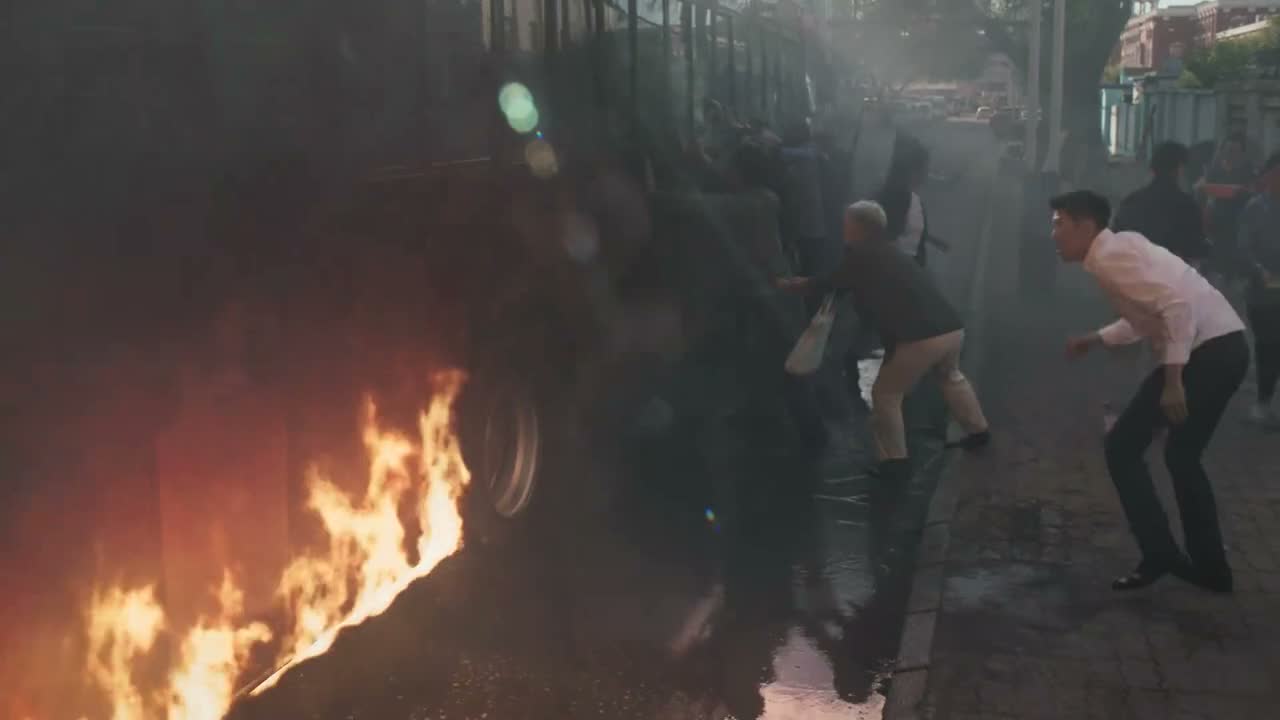
《The First Jasmine》 S1·E15 (13:32) · Authentic Cinema Dialogue Corpus