那阿爷喜欢你吗 当然喜欢
“And does Father love you? Of course.”
THE DIALOGUE REEL
因为我喜欢你阿爷啊
“Because I love your father.”
那阿爷 喜欢你 吗 当然喜欢
“And does Father love you? Of course.”
阿爷喜欢阿娘
“Father loves me, and he loves you too.”
Direct spoken expression in this communicative setting.
In ancient China (especially during the Tang and Song dynasties) and in modern Wu/Min dialects, 'A-ye' and 'A-niang' were affectionate terms for father and mother, rather than grandparents.
LEARNING CHUNKS & PARTICLES
dad / father (historical or regional dialectal term)
Primarily seen in historical dramas or southern Chinese dialects; in modern standard Mandarin, it usually means paternal grandfather.
of course (he/I) like(s)
Use this structure ('当然' + verb) to give an emphatic, confident affirmative answer to a yes/no question.
Turns a statement into a straightforward yes-no question, here conveying innocent curiosity.
VOCABULARY & EXPRESSIONS
Parallel Spoken Cinema Scenes (语义近邻切片)
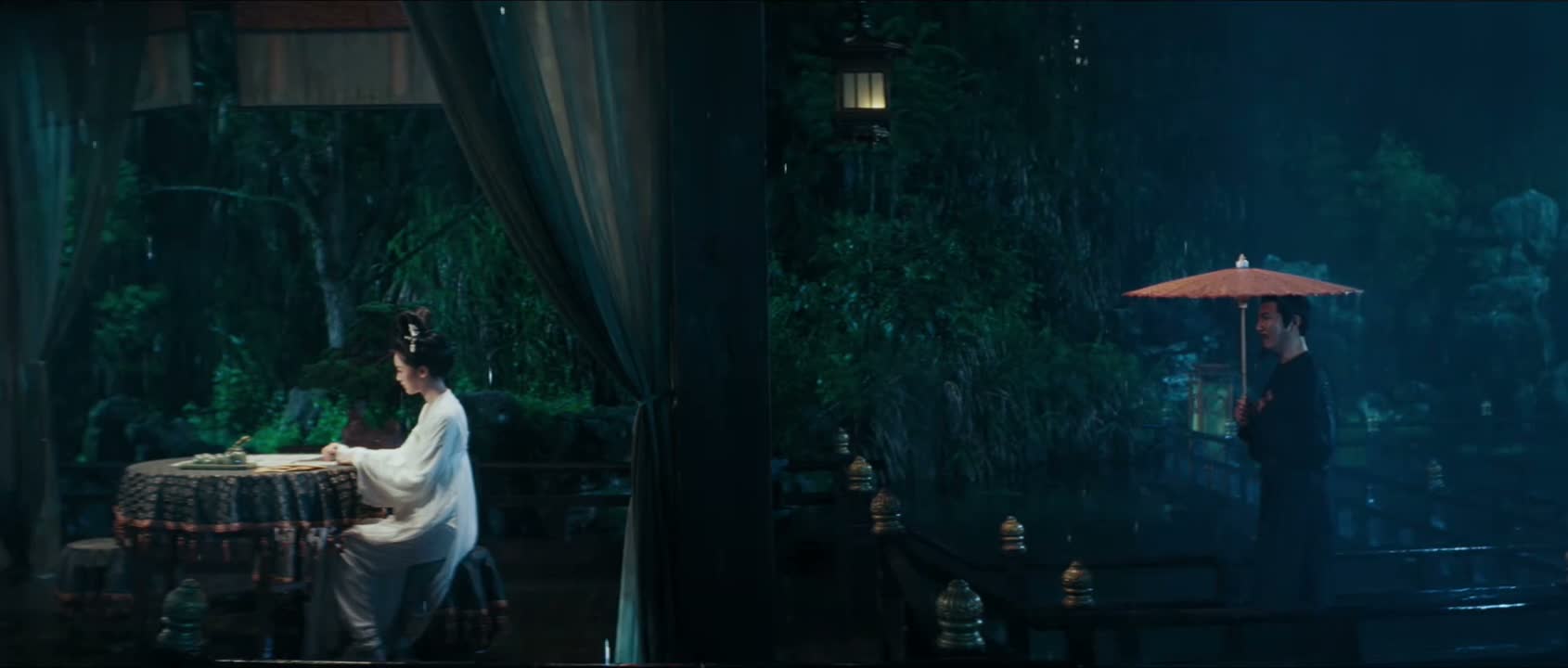
“only pains me even more.”

“Ms. Qin, where is my father? What exactly happened?”
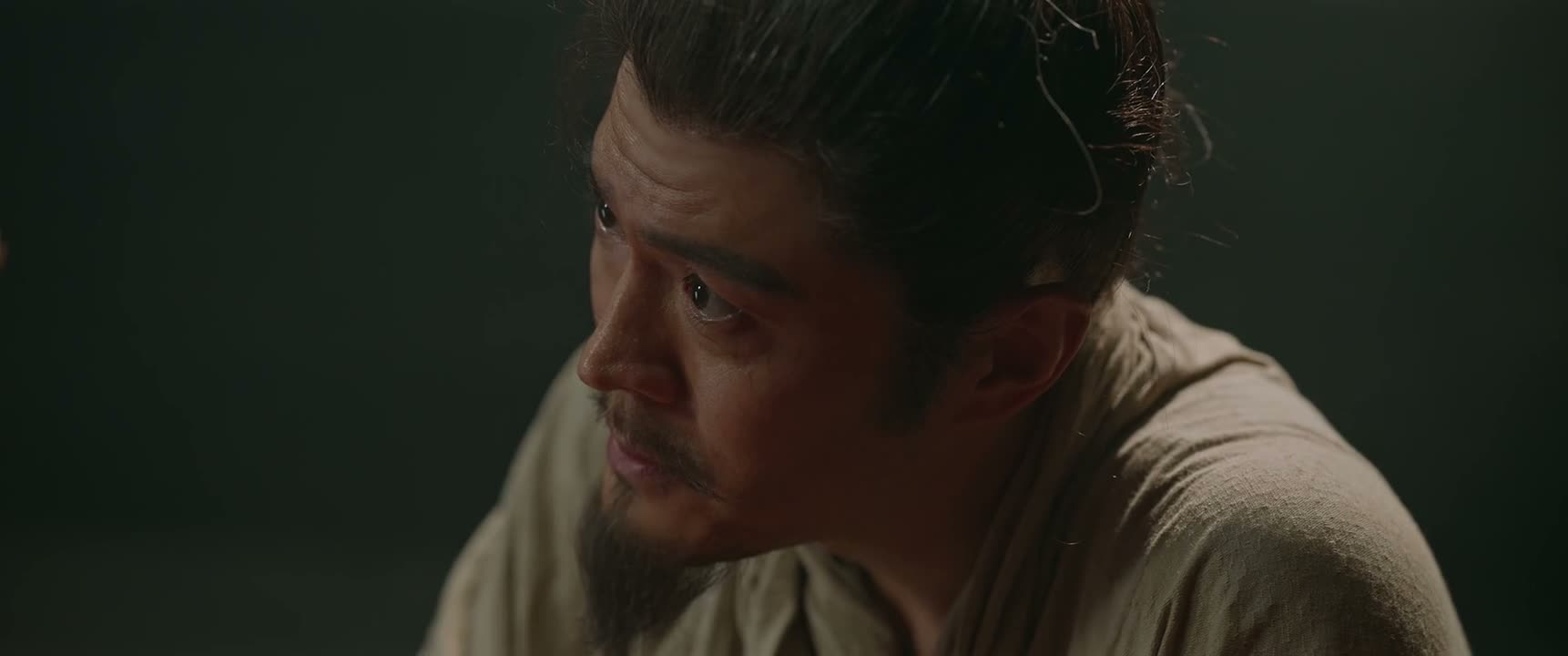
“It's my fault for not teaching you well.”
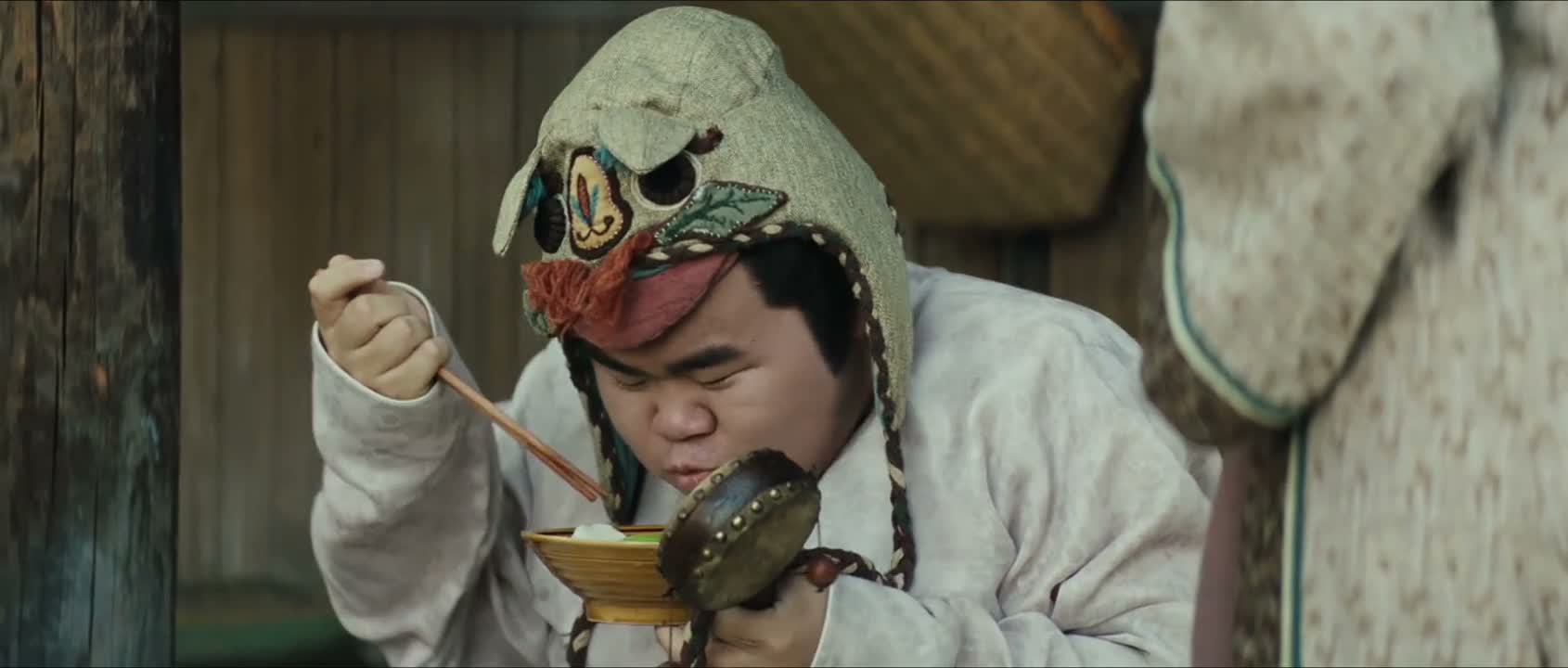
“His father died young.”

“Now that I'm married, you've actually remembered me.”
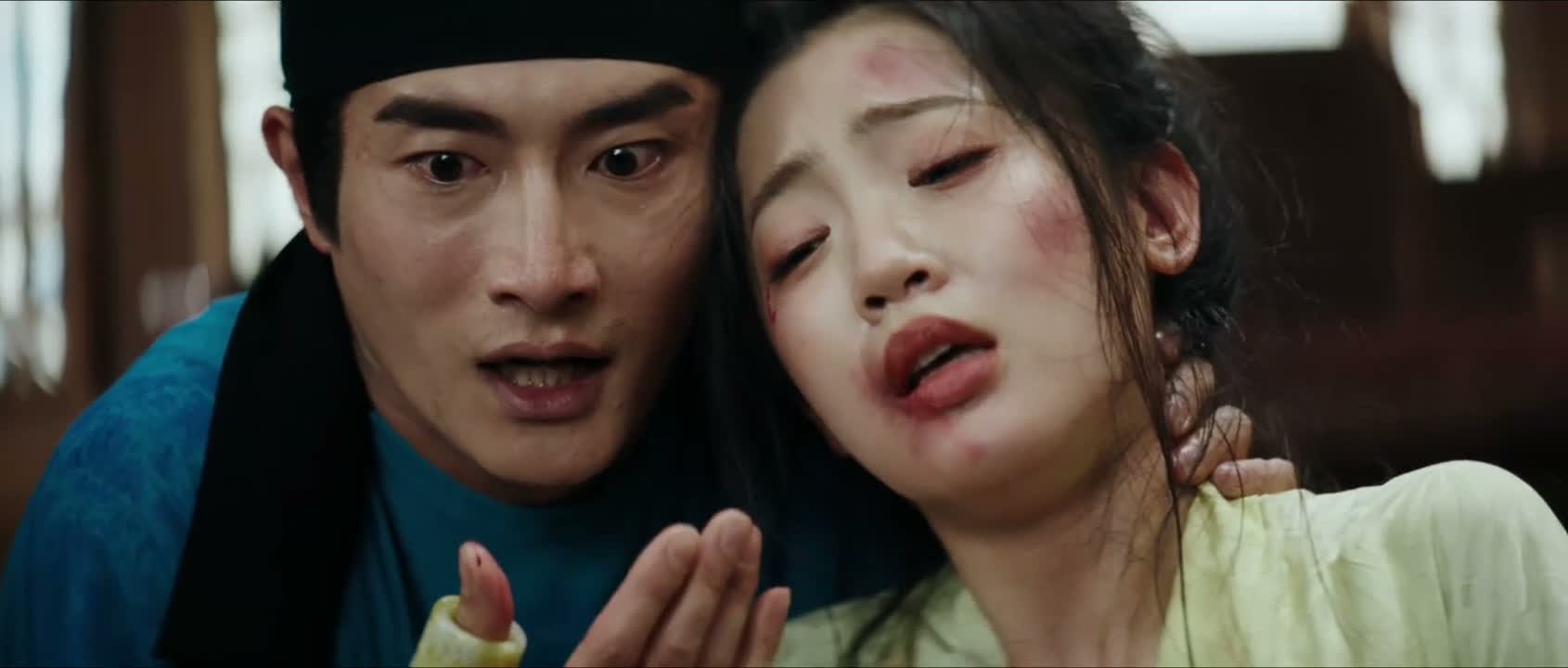
“If your father comes to yell at me,”