MC
MandarinClips Cinema Corpus
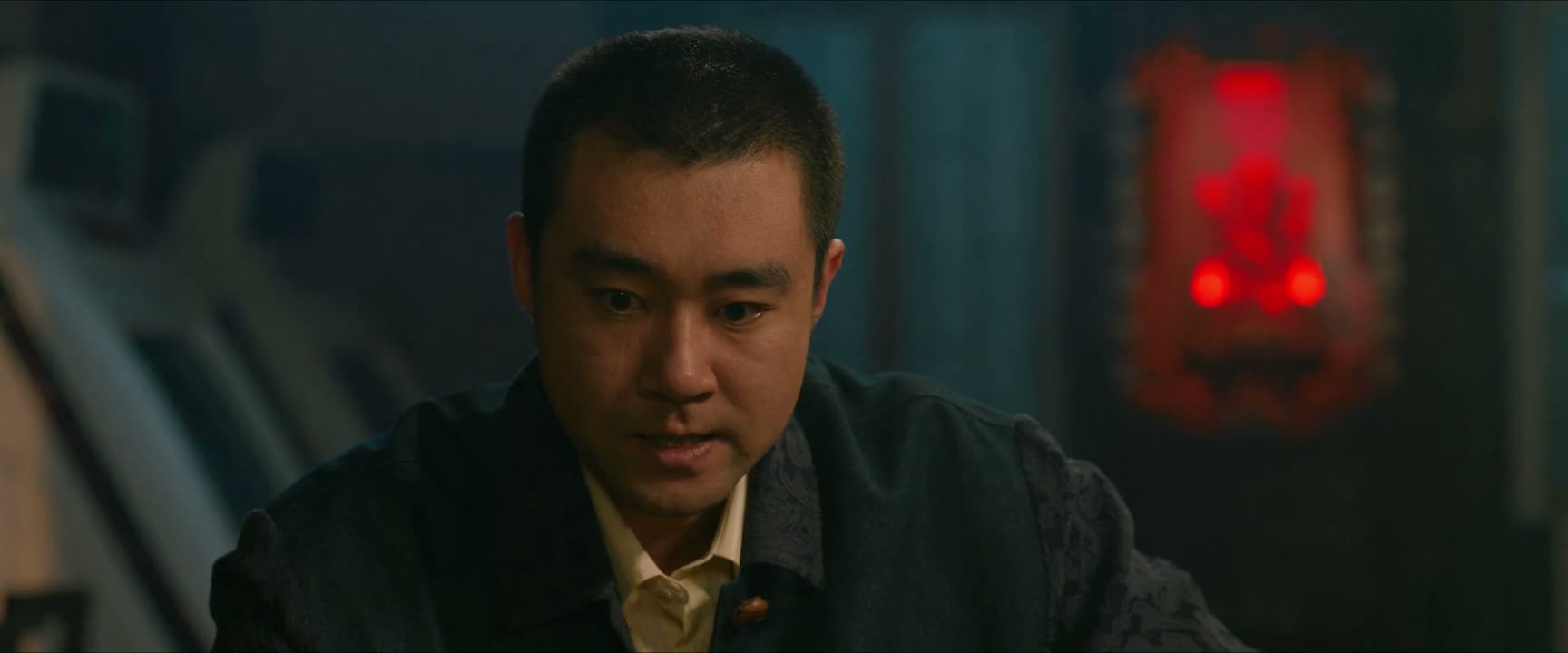
《The First Jasmine》 S1·E15 (22:46) HSK 6
nǐ bù néng guài wǒ shì nǐ bī wǒ de

你不能怪我 是你逼我的

“Wanzhou, you can't blame me. You forced me to do so.”

《The First Jasmine》 S1·E15
TIMECODE: 22:46 · 1080P MASTER AUDIO

THE DIALOGUE REEL

1+1+1 SPOKEN CONTINUITY
[-1] PREVIOUS TURN wǎn zhōu

挽舟

“Wanzhou, you can't blame me.”

nǐ bù néng guài wǒ shì nǐ bī wǒ de CURRENT FOCUS

你 不能怪我 是你 逼我 的

“Wanzhou, you can't blame me. You forced me to do so.”

[+1] FOLLOW-UP TURN shì nǐ fēi yào shǒu zhù nà ge dōng xī

“You insisted on holding onto that thing.”

Subtitles synced to millisecond timecode Browse Show Clips →
Scene: Crisis & Conflict
Function: SHIFTING BLAME
Tone: DEFENSIVE AND FRANTIC
Emotion: ANXIETY
WHAT THEY REALLY MEAN (PRAGMATIC SUBTEXT)
“Whatever harm I caused is your fault for pushing me to this extreme.”
💡 Cultural Insight: Moral Self-Defense in Conflict

In interpersonal disputes, asserting that one was 'forced' (逼) is a standard rhetorical strategy to preserve personal moral legitimacy by denying malicious agency.

INTENT TAGS: #blame_shifting #self_justification #denial #defensiveness
🧩

LEARNING CHUNKS & PARTICLES

2 CHUNKS · 1 PARTICLES
不能怪我 SPOKEN CHUNK

cannot blame me; it is not my fault

A very common spoken phrase used to absolve oneself of responsibility during an argument.

是你逼我的 SPOKEN CHUNK

you pushed me into this; you forced my hand

Used when an individual takes desperate or questionable actions and blames the counterpart's pressure.

Modal Particle「的」 (de) CHANGE OF STATE

Functions as part of the 'shi...de' construction to strongly emphasize that the listener was the sole cause of the action.
🏮

VOCABULARY & EXPRESSIONS

2 EXPR · 0 GRAMMAR
CROSS-CINEMA CORPUS BOARD · PARALLEL SCENES

Parallel Spoken Cinema Scenes (语义近邻切片)

EXPLORE BY SEMANTIC SIMILARITY
《The First Jasmine》 S1·E15 (22:46) · Authentic Cinema Dialogue Corpus