惹怒了官家
“and angered His Majesty!”
THE DIALOGUE REEL
都是因为李景福 他贪杯 导致贡墨毁坏
“It's all because of Li Jingfu! He got drunk, ruined the Tribute Ink,”
惹怒了 官家
“and angered His Majesty!”
我们被齐齐打入了大牢 日日酷刑加身
“We were all thrown into prison, suffering daily torture.”
Direct spoken expression in this communicative setting.
In historical Chinese contexts (especially the Song Dynasty), 'Guanjia' was a respectful colloquial title for the Emperor, reflecting the idea that the ruler belongs to the public realm.
LEARNING CHUNKS & PARTICLES
to provoke / to infuriate / to anger
Often used when someone's actions provoke a powerful person or authority figure into anger.
the Emperor / the imperial authorities
An archaic term primarily used during the Song Dynasty and in period dramas to refer to the Emperor or the government.
Marks the completion of the action of provoking the authorities, leading directly to the subsequent punishment.
VOCABULARY & EXPRESSIONS
Parallel Spoken Cinema Scenes (语义近邻切片)
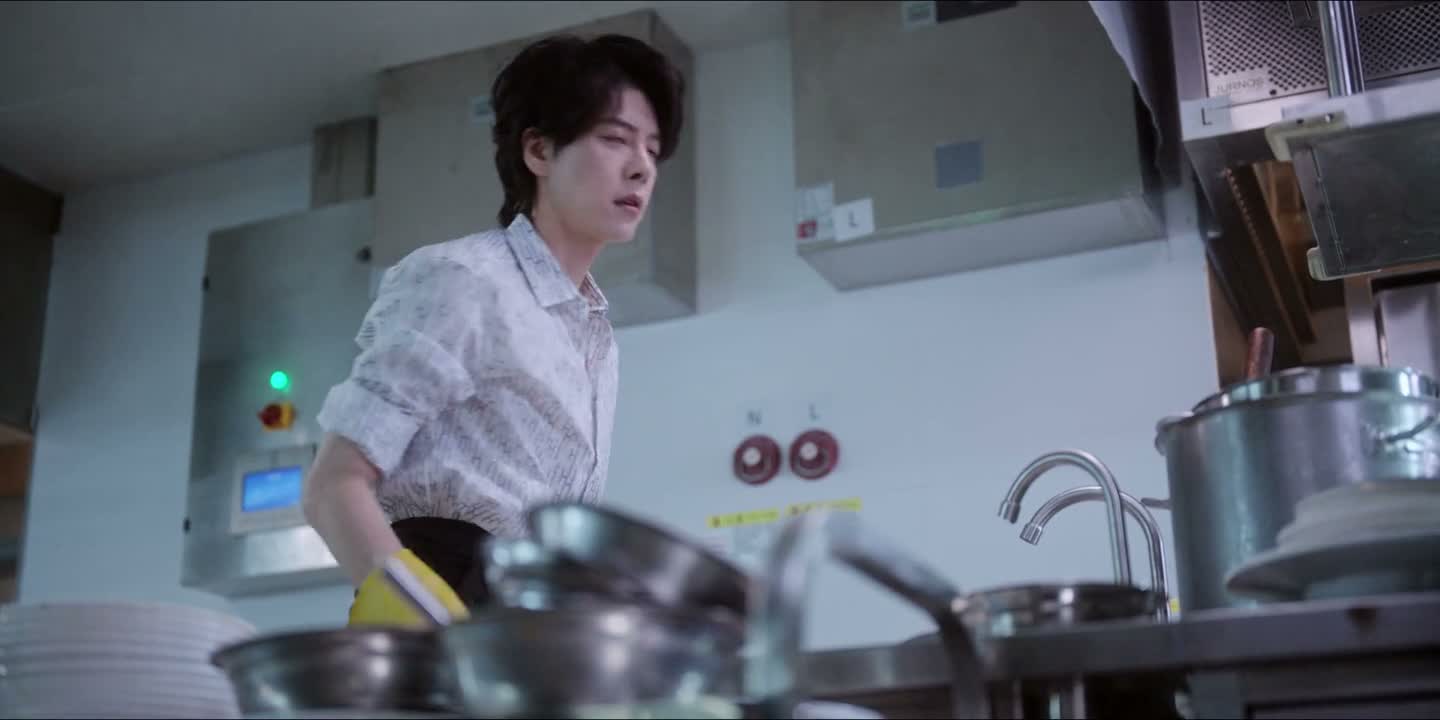
“Getting mad already?”

“How dare you curse a court official!”
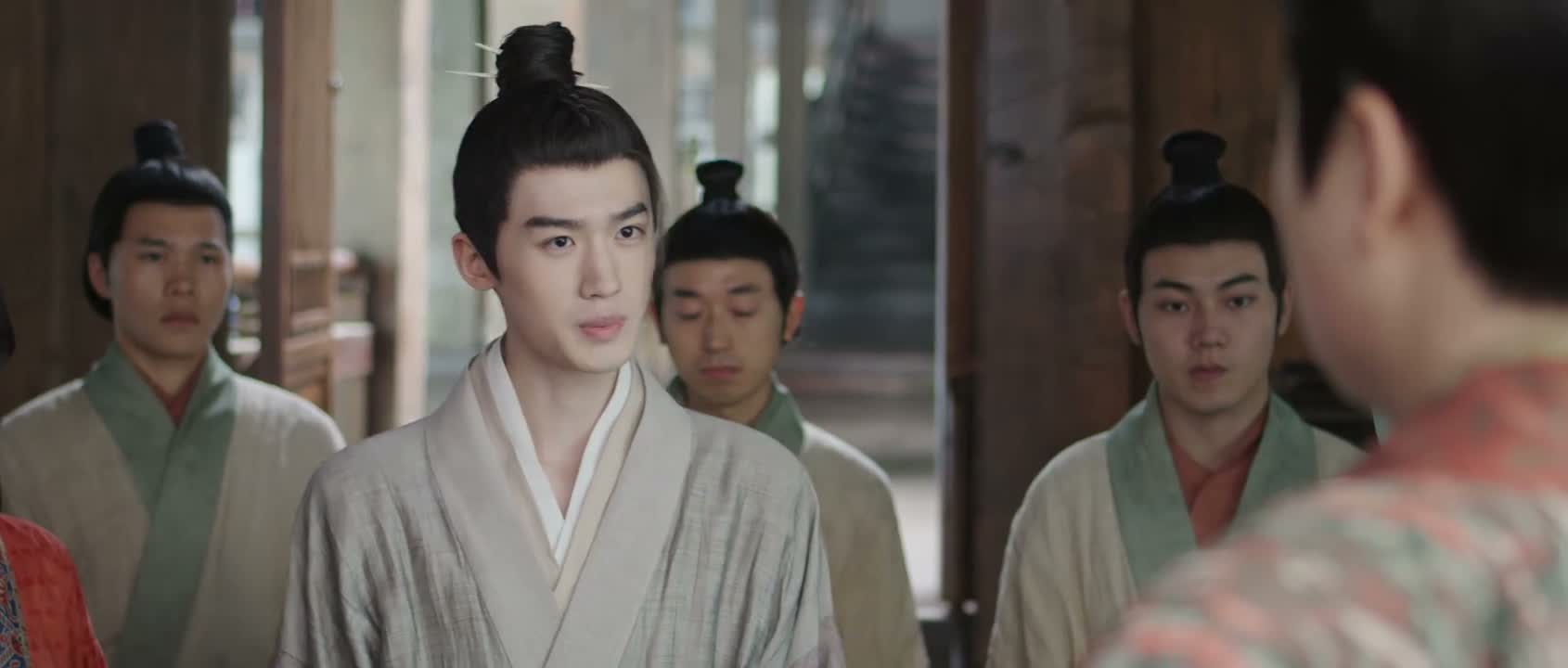
“why get mad when I'm telling the truth?”

“If we get into a lawsuit...”

“How dare you treat me this way?”

“that angering His Majesty could cost you your head.”