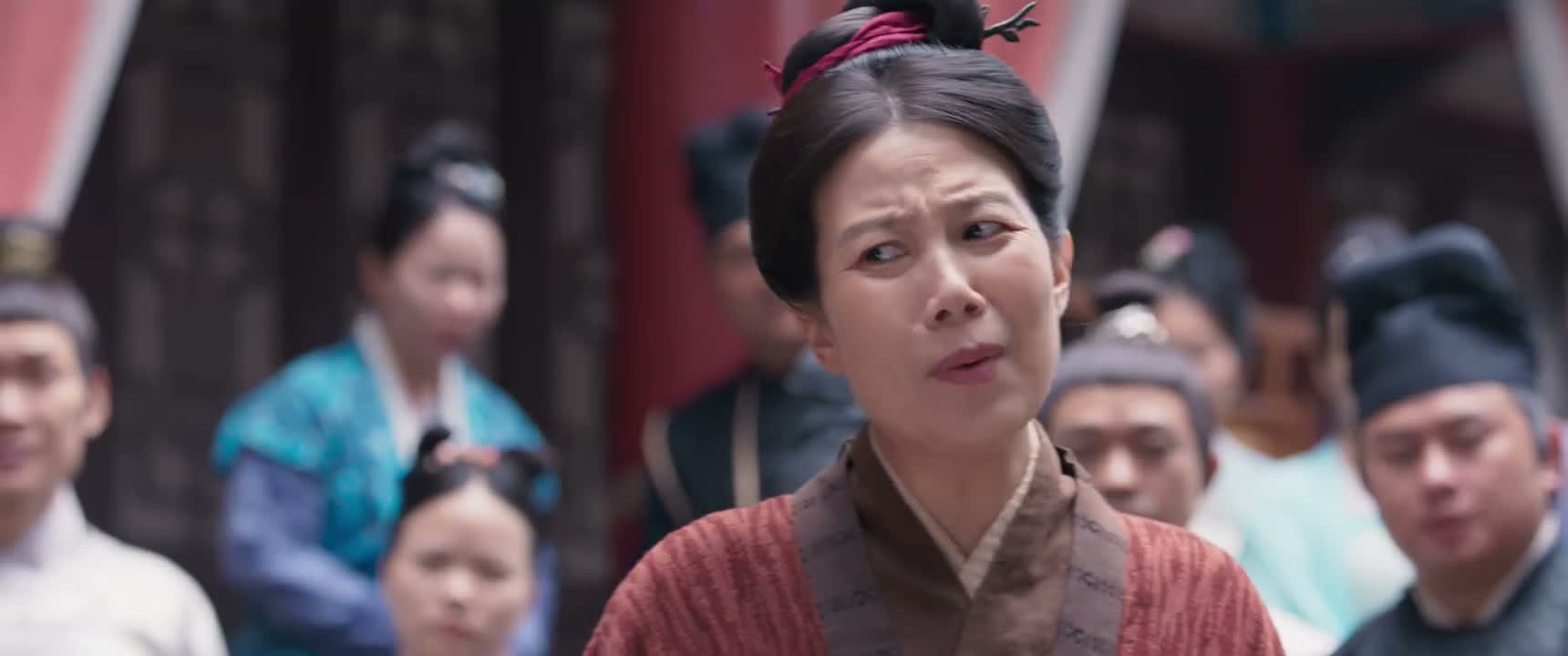
《Go Ahead》 S1·E40 (17:10)
HSK 5
gěi hái zi liú gè niàn xiǎng xíng bù xíng
给孩子留个念想行不行
“Can’t you just let him have it?”
《Go Ahead》
S1·E40
TIMECODE: 17:10
·
1080P MASTER AUDIO
THE DIALOGUE REEL
[-1] PREVIOUS TURN
chén tíng ♫ liú xià yǎn lèi ♫ jiù shèng zhè me yī zhāng hé yǐng le
陈婷 ♫流下眼泪♫ 就剩这么一张合影了
“Chen Ting, ♫in loneliness♫ there is only one group photo left.”
gěi hái zi liú gè niàn xiǎng xíng bù xíng
CURRENT FOCUS
给孩子 留个念想 行不行
“Can’t you just let him have it?”
[+1] FOLLOW-UP TURN
nǐ gěi bù gěi nǐ gěi bù gěi nǐ
你给不给你 给不给你
“Give it to me! Give it to me!”
Subtitles synced to millisecond timecode
Browse Show Clips →
Scene:
Crisis & Conflict
Function:
PLEADING AND DEMANDING
Tone:
PLEADING
Emotion:
ANGUISH
WHAT THEY REALLY MEAN (PRAGMATIC SUBTEXT)
“Please don't be so cruel—the child deserves to have this memory.”
💡 Cultural Insight: Nianxiang (Sentimental Remembrance)
In Chinese culture, tangible keepsakes (念想) bridge emotional bonds between separated family members and carry sacred moral and sentimental weight.
INTENT TAGS:
#pleading
#preserving_memory
#appeal_to_conscience
#conflict
🧩
2 CHUNKS · 0 PARTICLES
LEARNING CHUNKS & PARTICLES
留个念想
SPOKEN CHUNK
leave a keepsake, keep a token of remembrance
A warm, emotional phrase used when parting ways or preserving memories of loved ones or the past.
行不行
SPOKEN CHUNK
is it okay?, can you please?
A tag question used here to make an urgent appeal or exasperated plea rather than asking a genuine neutral question.
🏮
2 EXPR · 0 GRAMMAR
VOCABULARY & EXPRESSIONS
COLLOQUIAL EXPRESSIONS:
CROSS-CINEMA CORPUS BOARD · PARALLEL SCENES
EXPLORE BY SEMANTIC SIMILARITY
Parallel Spoken Cinema Scenes (语义近邻切片)

《Go Ahead》 S1·E40 (17:10) · Authentic Cinema Dialogue Corpus