爱你爱你爱你 要开心哦
“Love you. Love you. Love you. Be happy.”
THE DIALOGUE REEL
我非常非常的爱你 爱你到地老天荒 海枯石烂
“I love you very much. I love you till the end of time. Till the seas dry up and the rocks decay.”
爱你 爱你 爱你 要开心哦
“Love you. Love you. Love you. Be happy.”
“Your mom is already like this. But you can still smile.”
Direct spoken expression in this communicative setting.
While older generations in China rarely say 'I love you' directly, younger generations frequently repeat '爱你' in a playful, rapid-fire way (often influenced by internet and pop culture) to lighten the mood.
LEARNING CHUNKS & PARTICLES
be happy, okay?
A sweet, caring phrase used among close friends, partners, or family members to cheer someone up or sign off warmly.
Softens the imperative into a cute, gentle, and affectionate reminder.
VOCABULARY & EXPRESSIONS
Parallel Spoken Cinema Scenes (语义近邻切片)
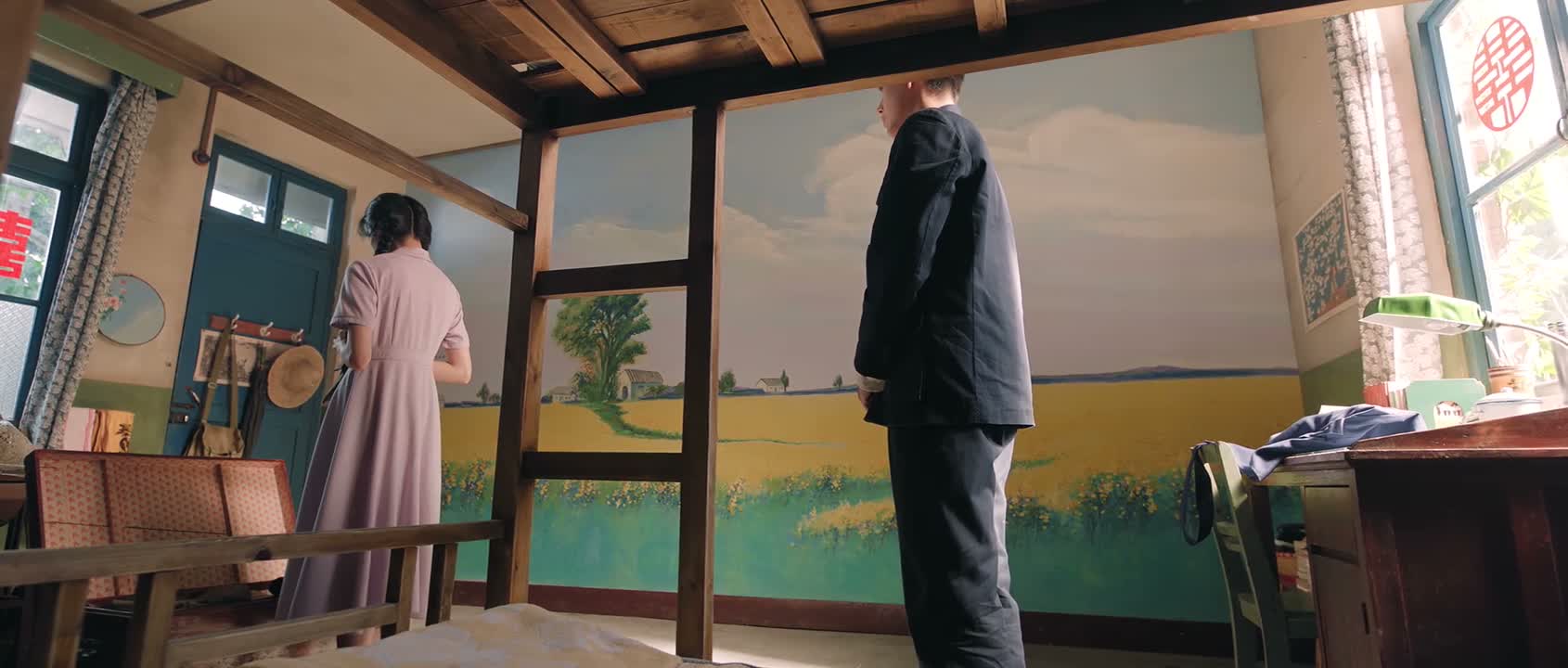
“I just wanted to make you happy”

“You have to be happy and joyful. Enjoy life.”
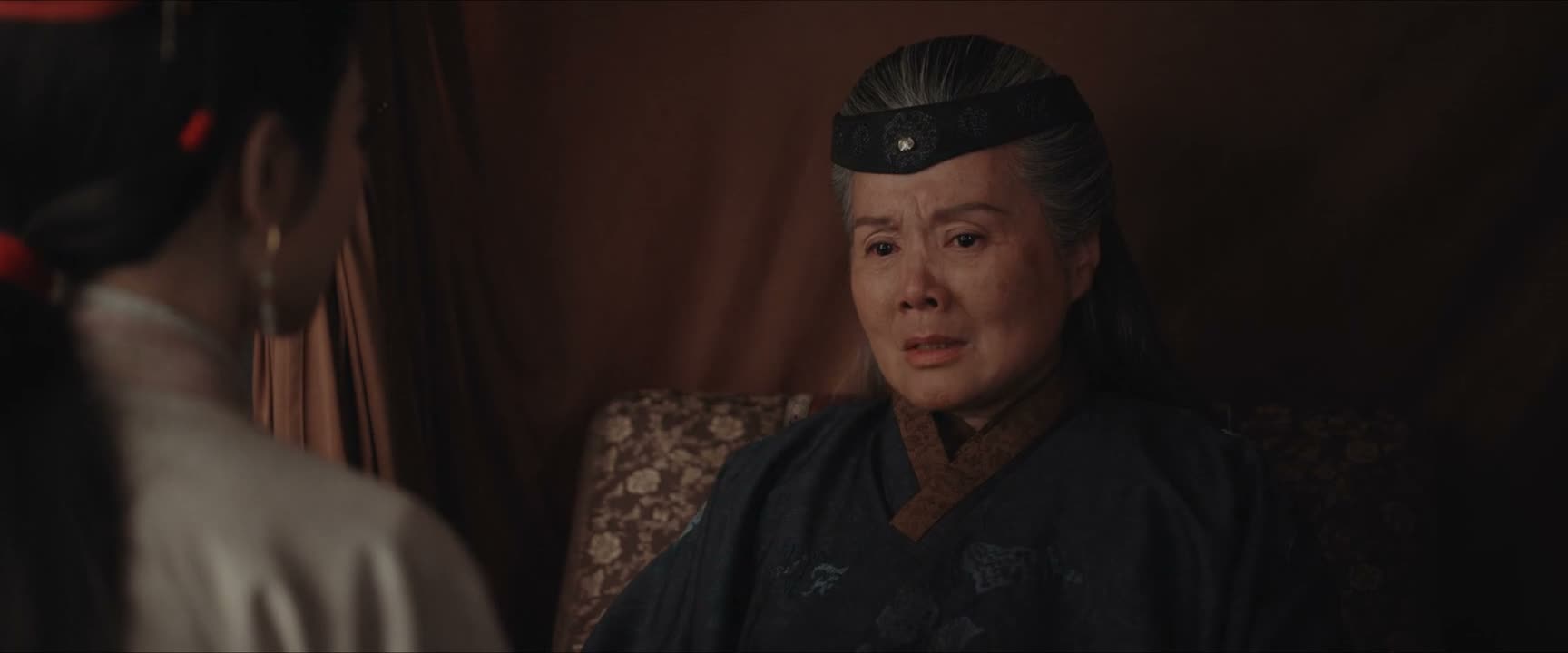
“As long as you are happy,”