想听好听的 我难听的还没说呢
“You want to hear something pleasant? I haven't said anything unpleasant yet.”
THE DIALOGUE REEL
“Then are all our family your grandchildren?”
想听好听的 我 难听的还没说 呢
“You want to hear something pleasant? I haven't said anything unpleasant yet.”
我跟你说 你们陈家人都一个 臭德行
“I'm telling you. The people of your Chen family are all morally bad.”
“You think I'm being harsh now? Just wait, I can make this much worse for you.”
In high-stakes domestic quarrels, Chinese speakers often weaponize the distinction between 'pleasant talk' (好听的话) and 'harsh words' (难听的话) to establish emotional dominance.
LEARNING CHUNKS & PARTICLES
pleasant words; flattery; things one likes to hear
Commonly used in spoken Chinese to contrast pleasant speech with harsh, realistic critiques.
harsh words; unpleasant truths; insults
Use when referencing bitter or offensive remarks that someone is holding back or about to unleash.
Emphasizes the ongoing state or marks a sharp contrast, underscoring that the worst remarks have not even started yet.
VOCABULARY & EXPRESSIONS
Parallel Spoken Cinema Scenes (语义近邻切片)

“I'm not good with sweet talk.”

“That sounds too harsh.”

“Don't make it sound so harsh.”
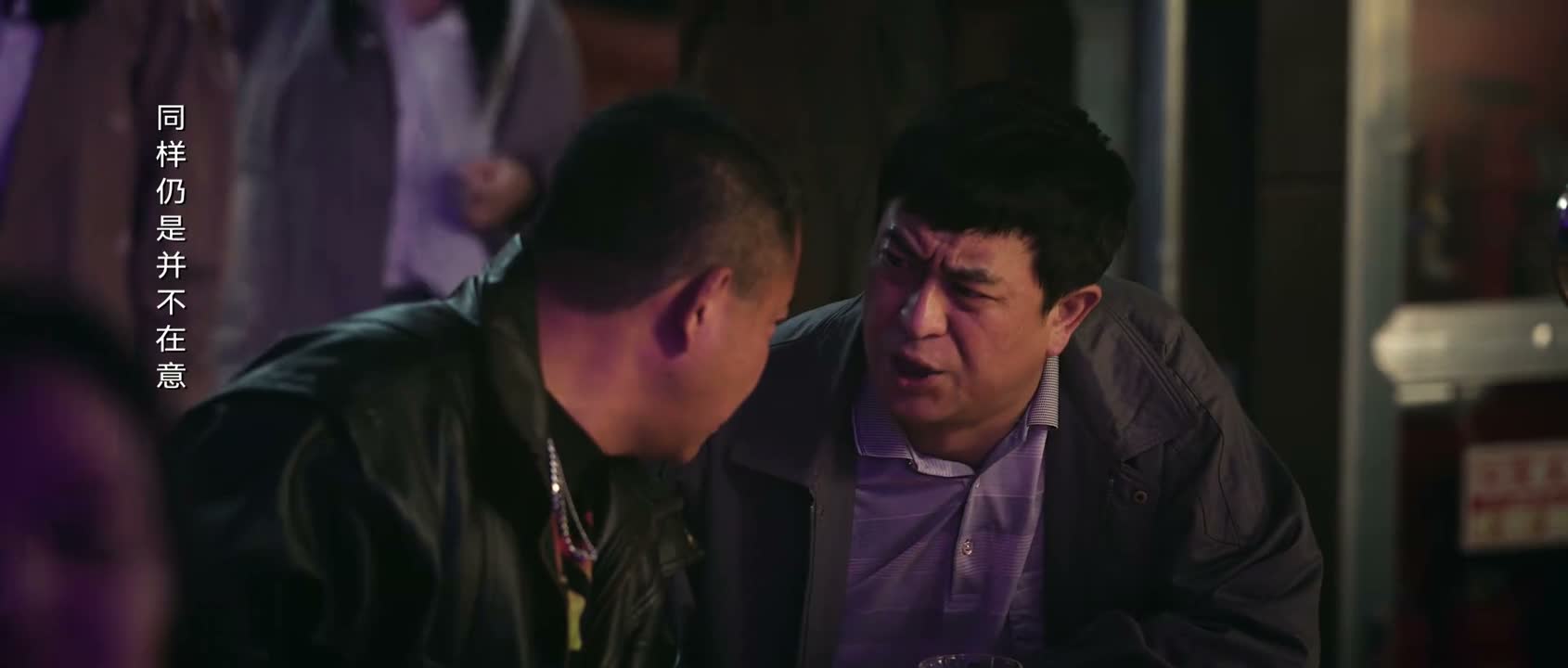
“Let's listen; it's good. Really?”

“You make it sound nice,”

“I didn't catch that. Could you repeat it?”