佑儿有没有捣蛋呀
“Did Zhengyou cause any trouble?”
THE DIALOGUE REEL
大伯娘 祯娘
“Eldest Aunt. Zhen.”
佑儿 有没有 捣蛋 呀
“Did Zhengyou cause any trouble?”
“I was just about to tell you. Look.”
“I hope my child hasn't been a burden to you while you watched him.”
In Chinese family culture, parents or elders often ask if a child has 'caused trouble' as a modest and polite way to thank caregivers and show consideration.
LEARNING CHUNKS & PARTICLES
to make trouble; to be mischievous
Commonly used affectionately or playfully when talking about children or pets acting naughty.
have or have not; did or did not
Placed before a verb to form a casual yes-no question about past or habitual actions.
Softens the question and adds a warm, gentle, and affectionate tone suitable for talking about a child.
VOCABULARY & EXPRESSIONS
Parallel Spoken Cinema Scenes (语义近邻切片)

“You watched him grow up. How could you do this to him?”
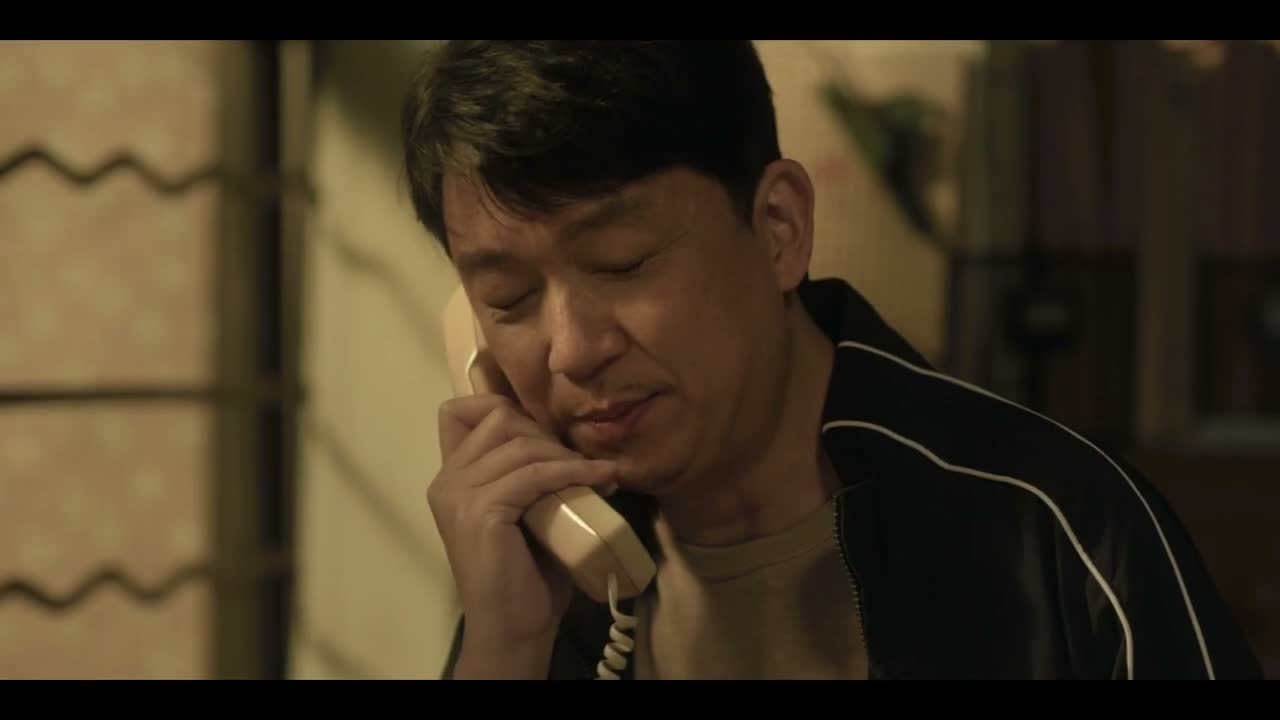
“Kiddo,”
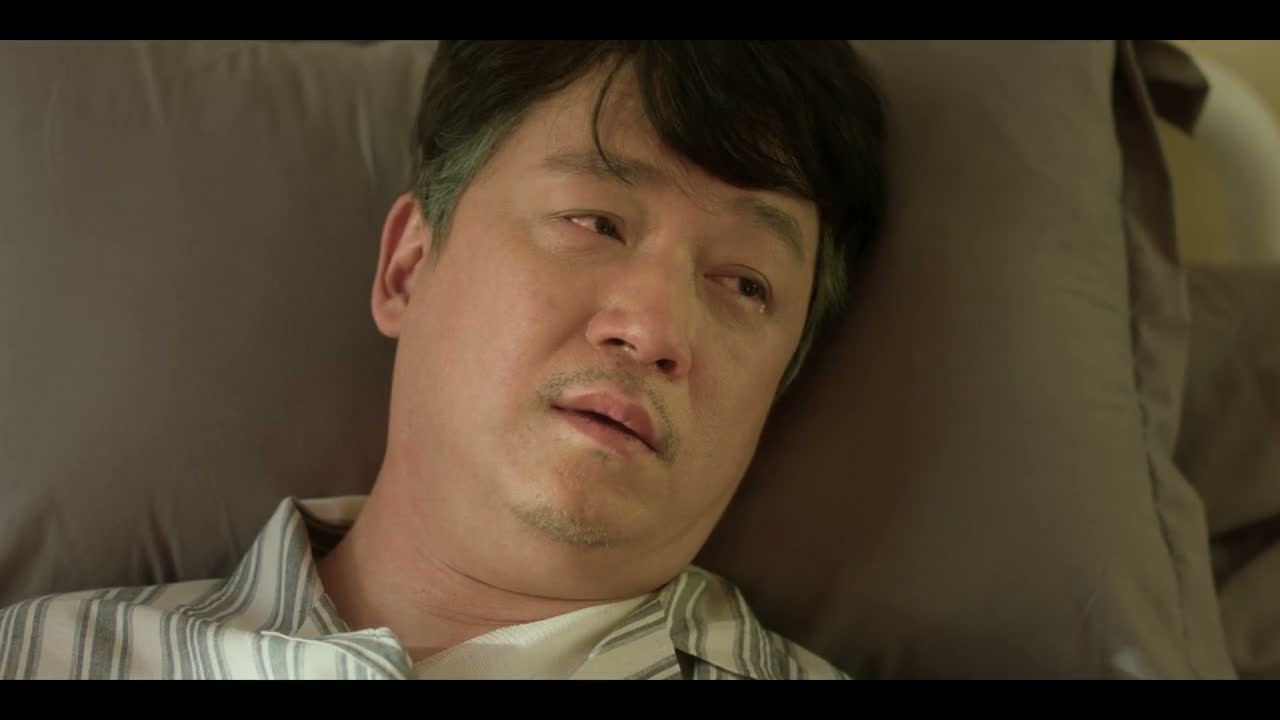
“Xiaohe, I have raised an amazing daughter.”

“This isn't child's play. This is a blind date.”
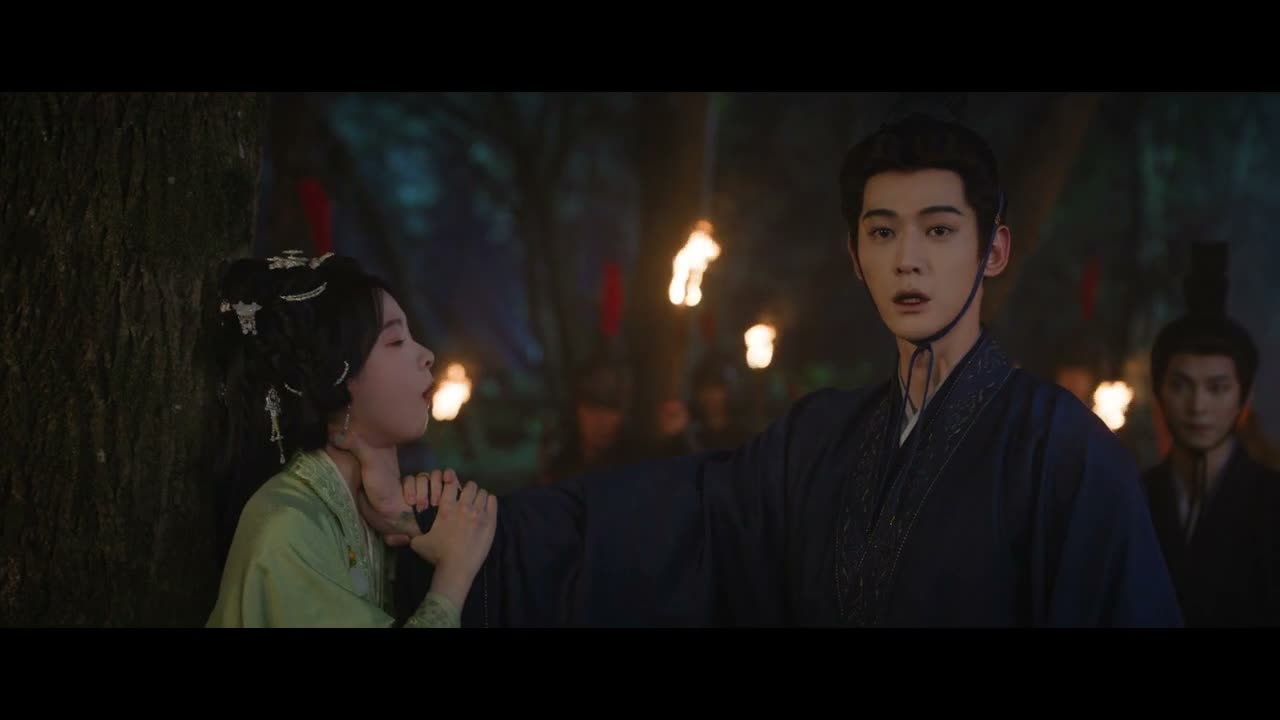
“does your heart ache for her?”
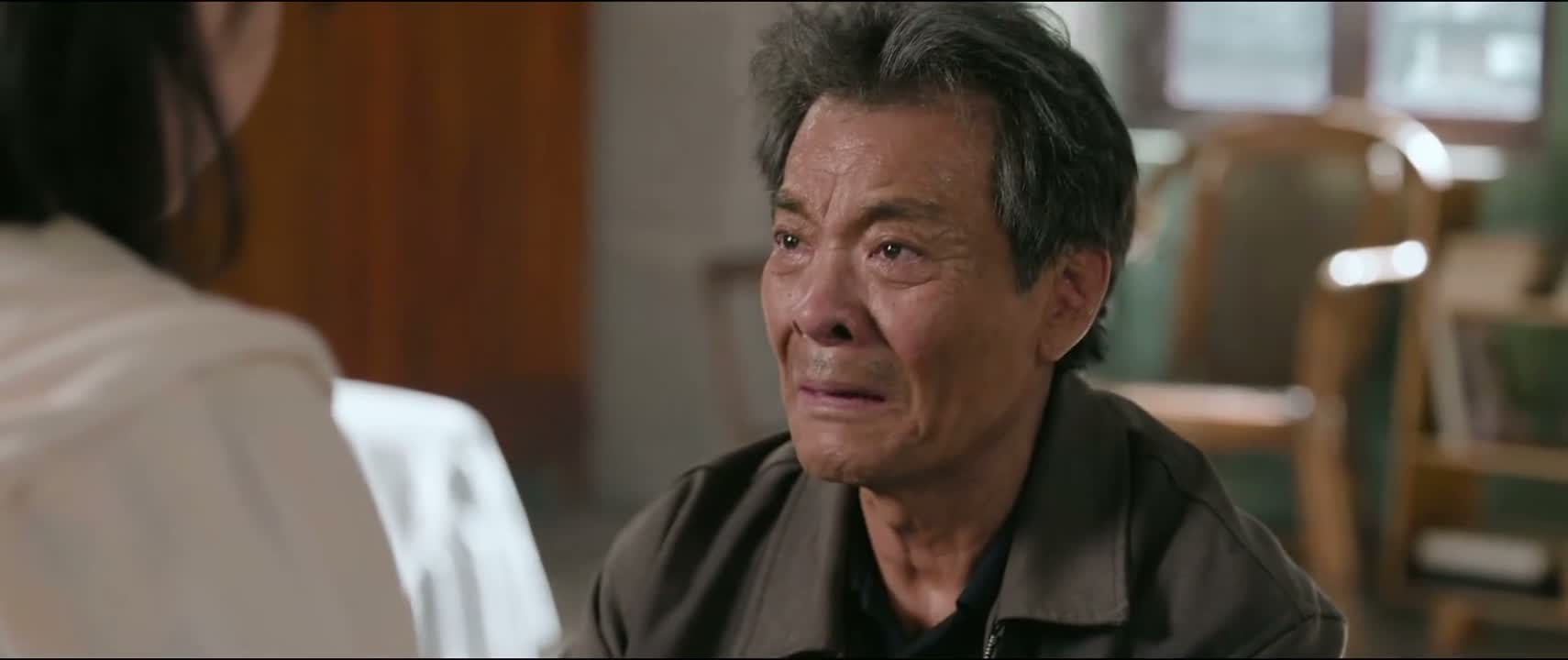
“Oh, poor girl.”