寒声 辛苦了
“Hansheng, you must be tired.”
THE DIALOGUE REEL
“All my old friends have more white hair than I do.”
寒声 辛苦了
“Hansheng, you must be tired.”
不辛苦 妈
“Not at all, Mom.”
Direct spoken expression in this communicative setting.
Among Chinese family members or superiors speaking to subordinates, saying a direct 'thank you' can feel overly distant. Saying 'you have worked hard' (Xinkule) is a warmer, more culturally natural way to show appreciation.
LEARNING CHUNKS & PARTICLES
thanks for your hard work / you've gone to a lot of trouble
A quintessential Chinese phrase used to thank someone for their effort, service, or help. It focuses on acknowledging their fatigue rather than just saying 'thank you'.
Marks the state or completion of the effort expended by the listener, making the acknowledgment feel grounded in what they just did.
VOCABULARY & EXPRESSIONS
Parallel Spoken Cinema Scenes (语义近邻切片)

“Hansheng, what's wrong? Something happened to Prof.”

“Hansheng, you don't have to peel them for me. I can do it myself.”

“Hansheng, let's have hot pot tonight.”
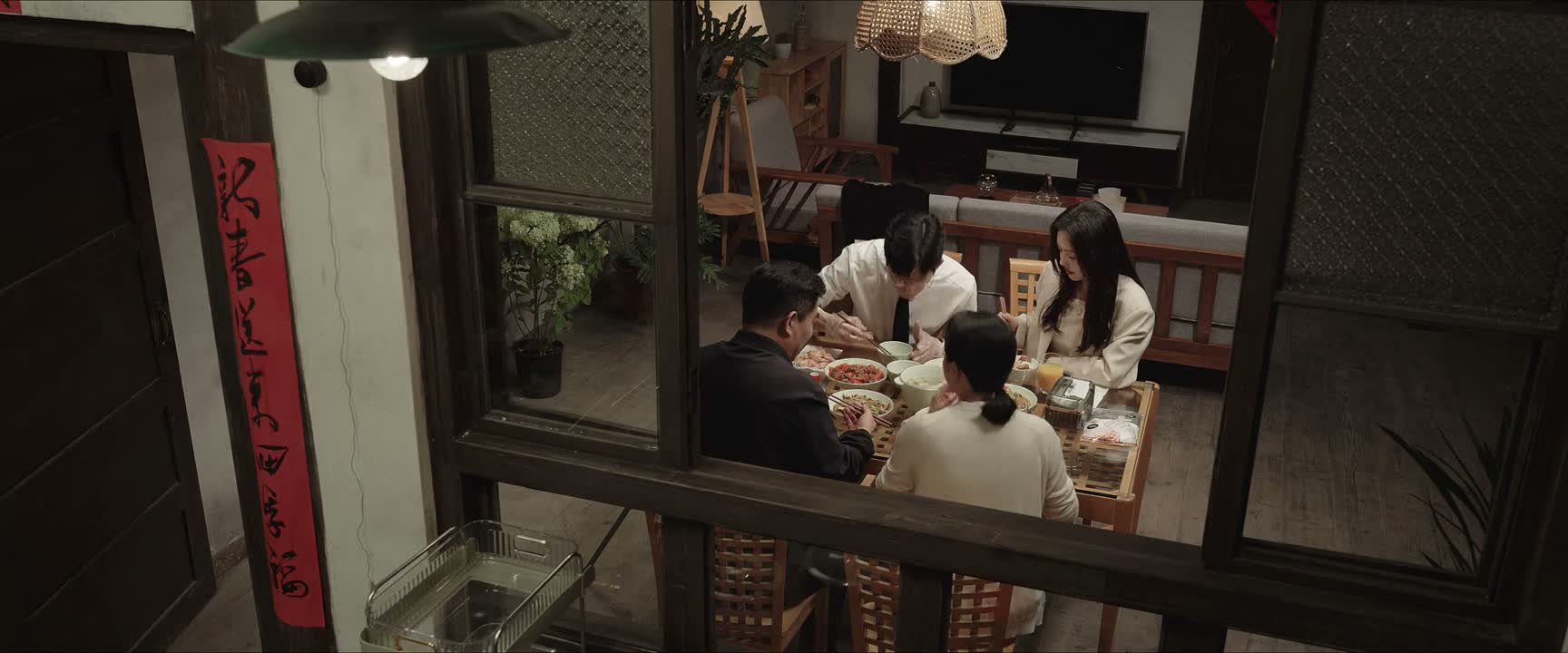
“Hansheng has been to our house before, right?”

“Hansheng, you know what? He was so bad back then, always teaching me how to lie.”
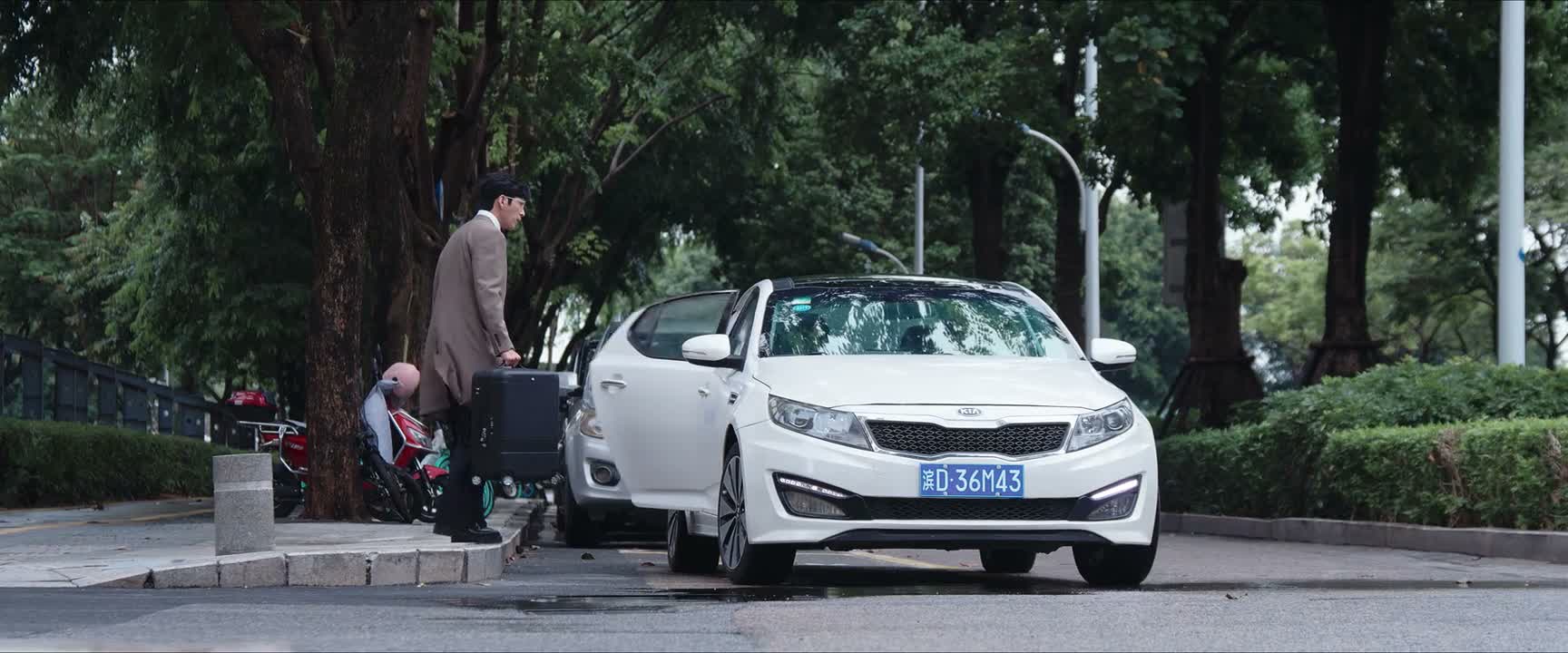
“Hansheng. Did you bring your ID card? Yes.”