莫找了 莫找了
“Stop looking.”
THE DIALOGUE REEL
没事吧
“Are you okay?”
莫找了 莫找了
“Stop looking.”
“Here, here. Help me Here, there's more.”
Direct spoken expression in this communicative setting.
The character '莫' is widely used in southwestern dialects (such as Sichuan/Chongqing) as a spoken equivalent of '别' (don't) to give quick warnings or commands.
LEARNING CHUNKS & PARTICLES
stop looking / do not search anymore
A regional or colloquial imperative equivalent to '别找了', used to stop someone's search immediately.
Indicates cessation of an ongoing action when combined with a negative imperative.
VOCABULARY & EXPRESSIONS
Parallel Spoken Cinema Scenes (语义近邻切片)
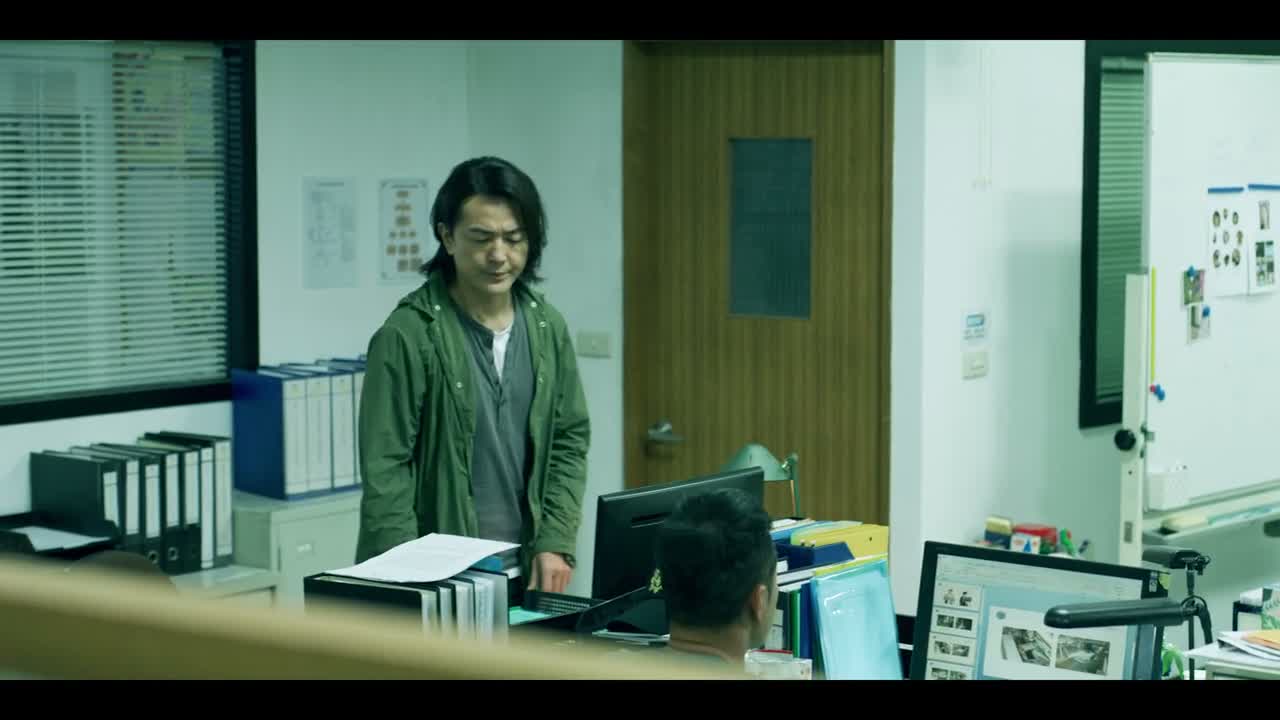
“- [officer] Couldn't find anything. - Thank you.”

“Have you checked? We've checked everything. Nothing. Then let's check”

“We've looked everywhere I should.”

“Well, if you find anything, Morck, you be sure to remember me.”

“You know? I'd been looking for you for so long.”

“W-We haven't found her yet. Then go search immediately!”