要我帮你吗 不用 我可以
“Do you want me to help you? No need. I can do it.”
THE DIALOGUE REEL
好 那我去买一些书 我自己做准备 好
“Alright, I'll go buy some books and prepare myself. Okay.”
要我帮你吗 不用 我可以
“Do you want me to help you? No need. I can do it.”
好
“Okay.”
Direct spoken expression in this communicative setting.
Chinese speakers frequently decline initial offers of help with '不用' (no need) to avoid troubling others and owing a social debt, even among acquaintances.
LEARNING CHUNKS & PARTICLES
Do you want me to help you?
A direct and natural way to offer help to friends, family, or peers.
no need / don't bother
The most common, everyday way to decline an offer of help without sounding overly formal.
Turns the statement into a straightforward yes-no question.
VOCABULARY & EXPRESSIONS
Parallel Spoken Cinema Scenes (语义近邻切片)

“Can I help? No, thanks.”

“Mom, let me help you. No need. Just eat your breakfast”

“Do you need help? No, thanks.”
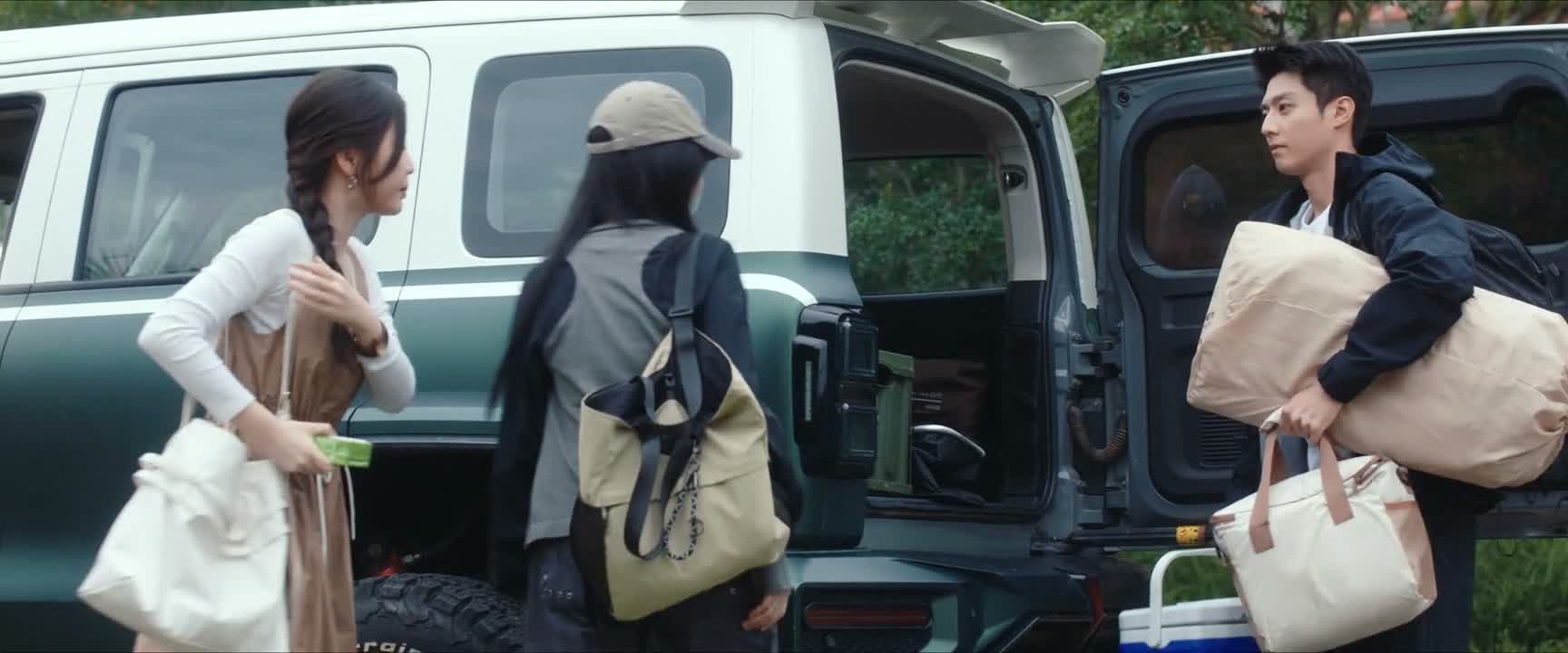
“Do you need my help? No, it's okay. I've got it. Just some more items.”