MC
MandarinClips Cinema Corpus
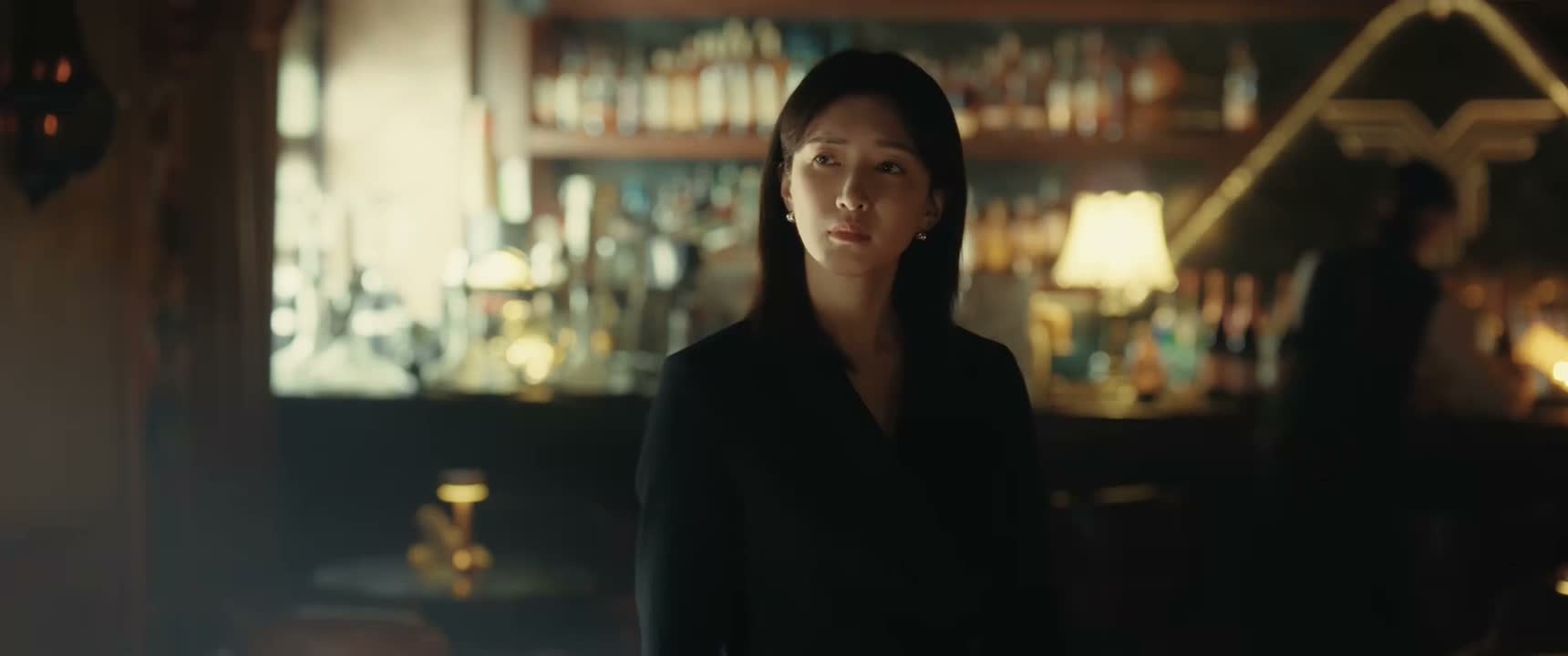
《The Glamorous Night》 S1·E23 (31:39) HSK 5
wǒ wèi shén me yào dāng xiāo shòu zǒng jiān lái zhe

我为什么要当销售总监来着

“(why did I want to be Sales Director again?)”

《The Glamorous Night》 S1·E23
TIMECODE: 31:39 · 1080P MASTER AUDIO

THE DIALOGUE REEL

1+1+1 SPOKEN CONTINUITY
[-1] PREVIOUS TURN kě shì zhēng le zhè me jiǔ

可是争了这么久

“(But after all this time,)”

wǒ wèi shén me yào dāng xiāo shòu zǒng jiān lái zhe CURRENT FOCUS

我 为什么要 当销售总监 来着

“(why did I want to be Sales Director again?)”

[+1] FOLLOW-UP TURN wǒ tīng shuō nǐ xiǎng dāng xiāo shòu zǒng jiān

“I heard you want to be Sales Director.”

Subtitles synced to millisecond timecode Browse Show Clips →
Scene: Workplace
Function: EXPRESSING SELF DOUBT
Tone: REFLECTIVE
Emotion: EXHAUSTION
WHAT THEY REALLY MEAN (PRAGMATIC SUBTEXT)
“I've fought so hard for this promotion that I've completely lost sight of why it even mattered to me.”
💡 Cultural Insight: Workplace Burnout and 'Neijuan' (Involution)

Fierce internal competition for limited management spots often leads Chinese professionals to experience sudden existential burnout, questioning the meaning of their career climb.

INTENT TAGS: #self_doubt #rhetorical_question #venting #burnout
🧩

LEARNING CHUNKS & PARTICLES

2 CHUNKS · 1 PARTICLES
为什么要 SPOKEN CHUNK

why want to / why have to

Used to question the motive or necessity behind an action or goal.

来着 SPOKEN CHUNK

what was it again? / by the way

Added to the end of a question when trying to recall something forgotten, or rhetorically to show mental fatigue.

Modal Particle「来着」 (laizhe) CHANGE OF STATE

Marks an attempt to recall past intentions, giving the rhetorical question a weary, self-deprecating tone.
🏮

VOCABULARY & EXPRESSIONS

3 EXPR · 0 GRAMMAR
CROSS-CINEMA CORPUS BOARD · PARALLEL SCENES

Parallel Spoken Cinema Scenes (语义近邻切片)

EXPLORE BY SEMANTIC SIMILARITY
《The Glamorous Night》 S1·E23 (31:39) · Authentic Cinema Dialogue Corpus