来着
lái zheCommon spoken expression used by native Chinese speakers in daily life.
[Scene: 其他场景]
(21 clips) 00:02
“See? What did I tell you?”
 00:02
 00:02
 00:02
 00:02
 00:02
 00:02
 00:02
 00:02
 00:02
(我这两边都赚到了人情 何乐而不为呢) ── Previous context
“You interrupted me. I forgot the numbers now.”
 00:02
 00:02
 00:02
 00:02
 00:03
(但我能感觉到他的善意和帮助 或许顺其自然) ── Previous context
“we'll eventually find out who he really is someday. Which number was it again?”
 00:03
(还有一个是在云汐市的西边) ── Previous context
“roughly 30 kilometers away. What's it called... My bad memory.”
 00:02
 00:03
(那我回去拿饭卡吧 好不容易把饭买着了) ── Previous context
“I was about to eat, but ended up biting into a paperclip.”
 00:02
(没底线) ── Previous context
“What's that saying again? [Celebration Banquet for the Yufeng Jiangnan Project]”
 00:02
 00:03
[Scene: 其他场景]
(6 clips) 00:02
 00:03
 00:02
 00:03
(该的你们 走) ── Previous context
“How does that idiom go? - It's called, "You reap..." - What you sow.”
 00:02
 00:02
[Scene: 历史宫廷]
(3 clips) 00:02
 00:02
 00:03
(对了) ── Previous context
“Doesn't the Guardian Corps hold a martial arts tournament every two years?”
[Scene: 警匪刑侦]
(3 clips) 00:02
 00:02
 00:03
[Scene: 家庭日常]
(2 clips) 00:02
 00:02
[Scene: 其他场景]
(2 clips) 00:02
 00:02
[Scene: 社交聚会]
(2 clips) 00:03
(就 就 就那个戏 就是那个) ── Previous context
“The one where he cursed Cao Cao naked... What's it called?”
 00:03
(谁是忠臣 谁是奸臣 咱必须说得清清楚楚) ── Previous context
“and plainly. Otherwise, what does the storytelling say?”
[Scene: 其他场景]
(1 clips)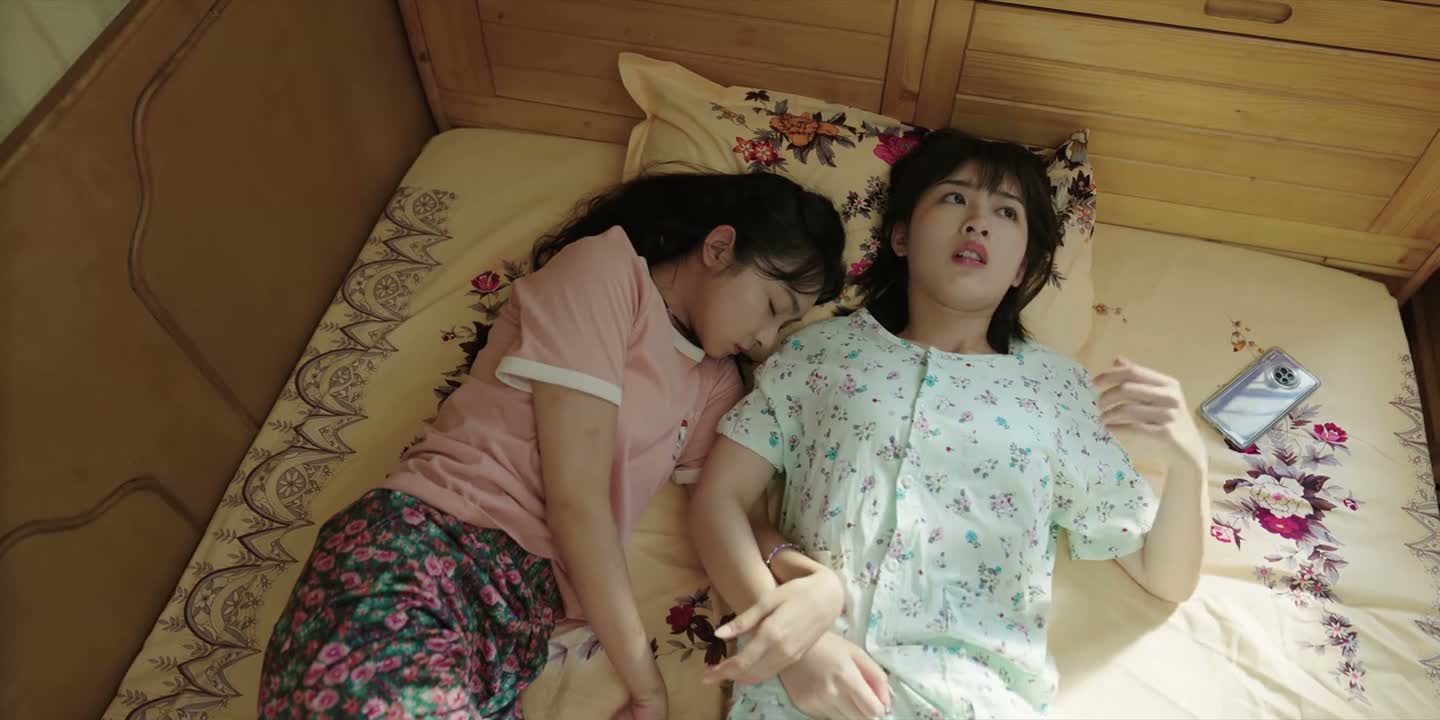 00:02
📌 沟通
→Nuance: 意图相同,表达更口语委婉
📌 你看看
→Nuance: 提醒对方验证预言句式变体
📌 你看看
→Nuance: 交际意图完全相同可直接互换
📌 怎么办
→Nuance: 同向近义词根配对: [银两 ↔ 银子]
📌 对不起
→Nuance: 核心道歉意图完全一致
📌 不准
→Nuance: 均表达对尺寸大小记不清不确定
📌 回来了
→Nuance: 意在印证预言口吻略有变化
📌 对不对
→Nuance: 同向近义词根配对: [我们 ↔ 咱俩]
📌 是不是
→Nuance: 提醒对方验证预言句式变体