好像在哪儿见过来着
“I seem to have met him before.”
THE DIALOGUE REEL
这个 这个 有点眼熟
“This one. This one. He looks a bit familiar.”
好像在哪儿见过 来着
“I seem to have met him before.”
我想起来了
“Oh, I remember.”
Direct spoken expression in this communicative setting.
In northern Mandarin, ending an introspective question or statement with 'laizhe' signals to the listener that the speaker is searching their memory out loud.
LEARNING CHUNKS & PARTICLES
seen (somewhere) before
A common conversational phrase used when recognizing a face, object, or location vaguely.
used at the end of a sentence to recall something past
A colloquial northern particle indicating an attempt to recall a past fact or event that temporarily slipped one's mind.
Signals an active effort to recall something that occurred in the past or slipped one's memory.
VOCABULARY & EXPRESSIONS
Parallel Spoken Cinema Scenes (语义近邻切片)

“I think I've seen it somewhere before.”
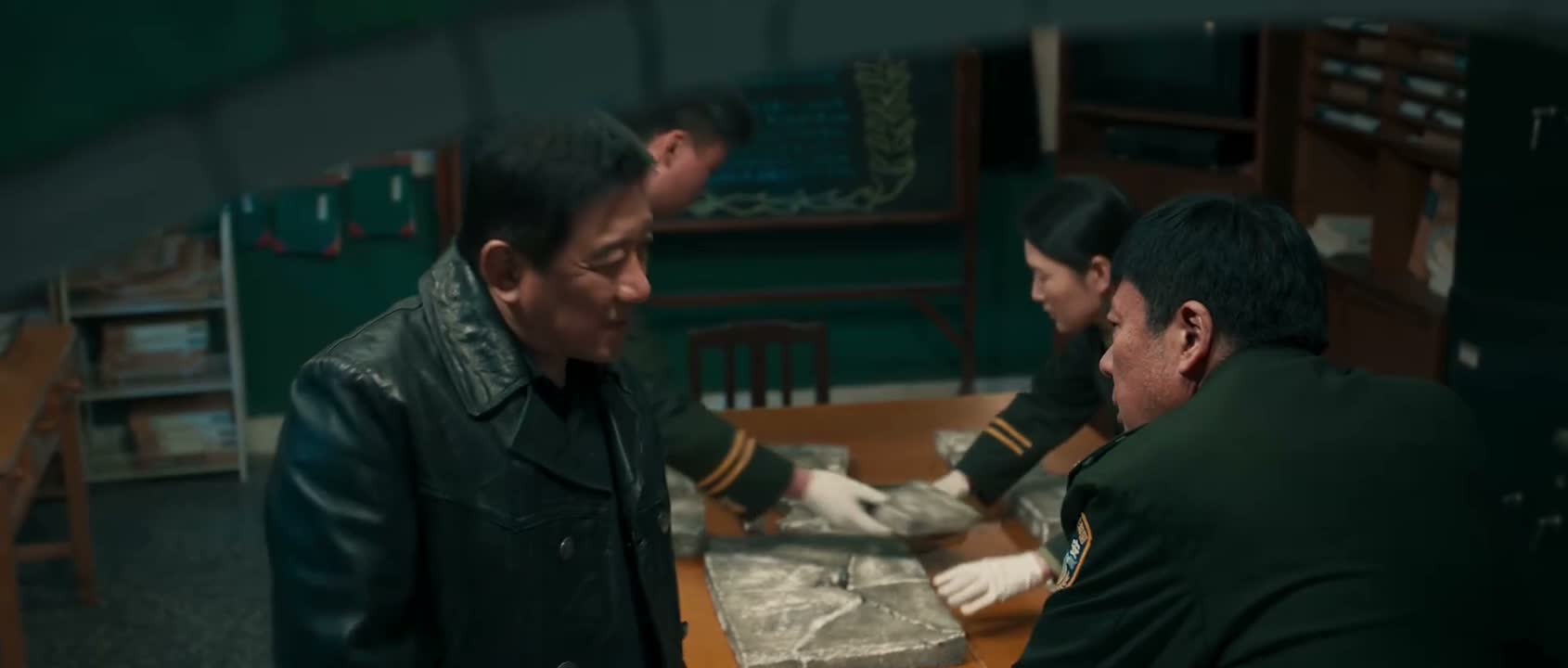
“I felt like I'd seen it somewhere before.”

“I feel like I've seen him somewhere before.”

“Where exactly did we meet?”

“I know where you went and with whom you met.”

“I felt I'd seen it somewhere before.”
“I feel like I've seen that person before.”