咱俩今天是不是有三田课来着
“Don't we have Tri-Field Class today?”
THE DIALOGUE REEL
“I think I dreamed about Kong Xiaocan yesterday.”
咱俩 今天 是不是有 三田课 来着
“Don't we have Tri-Field Class today?”
快快快
“Hurry, hurry, hurry.”
“Wait, don't we have class today? We might be running late!”
Using '咱俩' reinforces in-group solidarity and mutual responsibility among Chinese college dorm mates or study partners.
LEARNING CHUNKS & PARTICLES
the two of us (inclusive)
A highly colloquial Northern Chinese pronoun used among close friends or peers to build rapport.
used at the end of a sentence to recall past facts or verify hazy memories
Attach to the end of an interrogative or declarative sentence when trying to retrieve forgotten information.
Indicates the speaker is actively trying to recall past information or verify a faded memory.
VOCABULARY & EXPRESSIONS
Parallel Spoken Cinema Scenes (语义近邻切片)
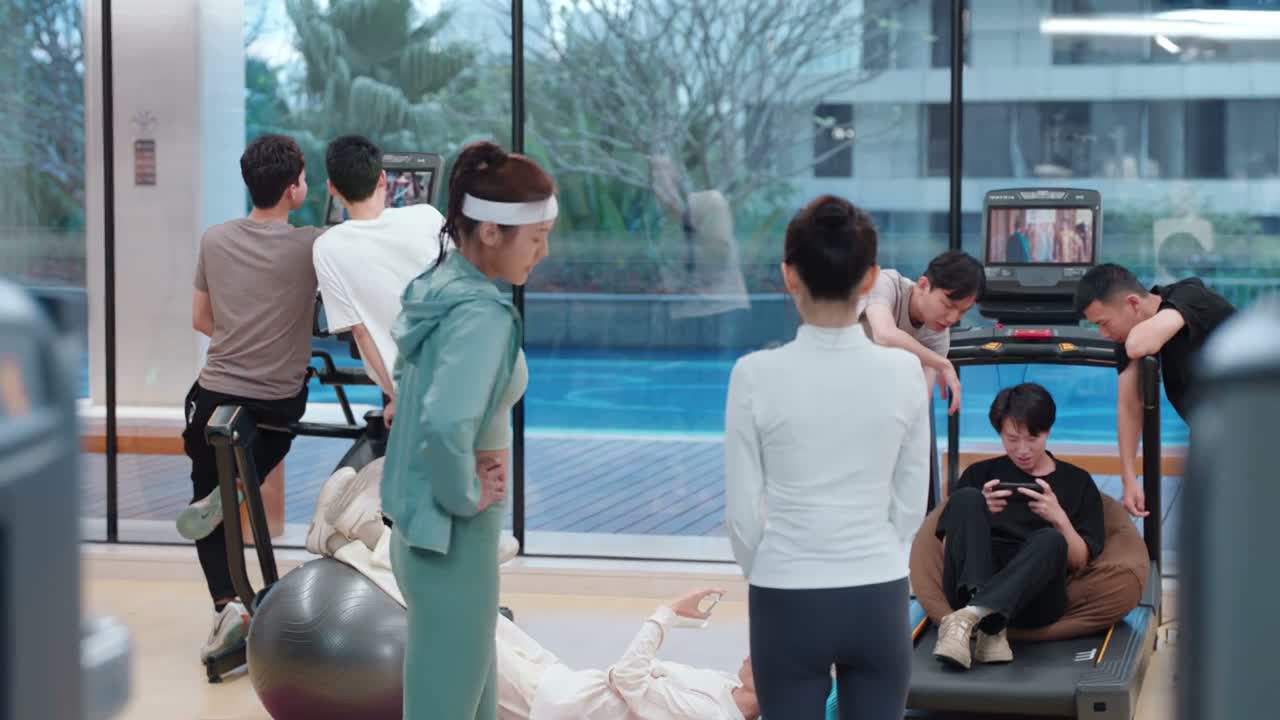
“Tian, should we give out some flyers?”

“We took some general courses together, didn't we? Yes.”

“Ms. Chen, aren't you going with us?”