刚刚 在门口你说什么来着
“Just now, what did you say at the door?”
THE DIALOGUE REEL
“Wanzhi, you're educated. You name it.”
刚刚 在门口 你说什么 来着
“Just now, what did you say at the door?”
在门口我说啥了
“What did I say at the door?”
Direct spoken expression in this communicative setting.
The marker '来着' is a quintessential Beijing and Northern Mandarin spoken marker used frequently to recall recent events in informal conversations.
LEARNING CHUNKS & PARTICLES
what did you say again?
A very colloquial way to ask someone to repeat what they recently said when you have momentarily forgotten.
Signifies a past action that the speaker is trying to bring back to memory.
VOCABULARY & EXPRESSIONS
Parallel Spoken Cinema Scenes (语义近邻切片)

“Every time you just stood at the door without coming in.”

“That's not what you said when you first joined the Ministry of Revenue.”

“I'll be at the door. Call me if you need anything.”
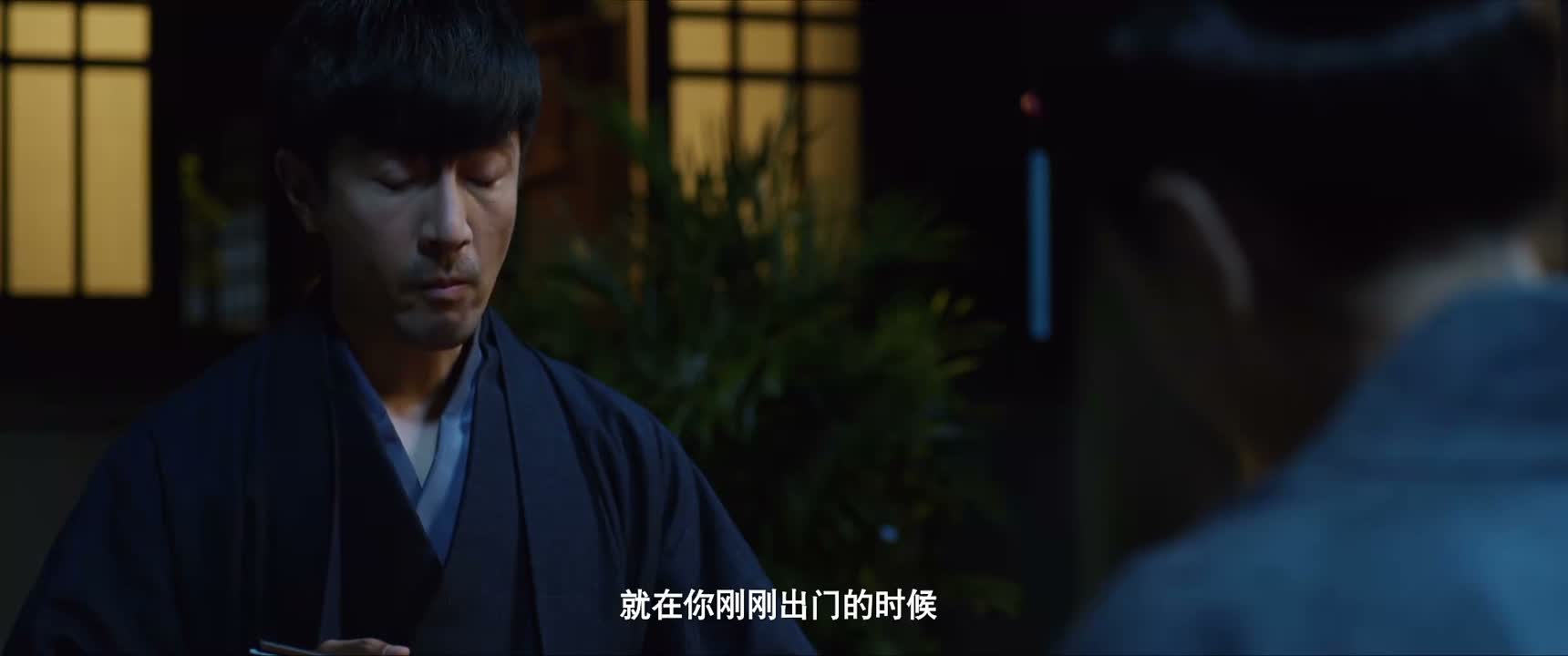
“...right after you left...”

“Say your hellos, or you’ll stay in your shell.”

“Who did you say”