《Mama Go!》 S1·E9 (28:07)
HSK 4
zán liǎ zuó tiān zěn me huí lái de lái zhe
咱俩昨天怎么回来的来着
“How did we get back yesterday?”
《Mama Go!》
S1·E9
TIMECODE: 28:07
·
1080P MASTER AUDIO
THE DIALOGUE REEL
[-1] PREVIOUS TURN
xǐng xǐng
醒醒
“Wake up.”
zán liǎ zuó tiān zěn me huí lái de lái zhe
CURRENT FOCUS
咱俩 昨天 怎么回 来 的 来着
“How did we get back yesterday?”
[+1] FOLLOW-UP TURN
bù zhī dào
不知道
“I don't know.”
Subtitles synced to millisecond timecode
Browse Show Clips →
Scene:
Daily Life
Function:
SEEKING CLARIFICATION
Tone:
PUZZLED
Emotion:
CONFUSION
WHAT THEY REALLY MEAN (PRAGMATIC SUBTEXT)
“My memory is completely blank. Do you remember how we made it back?”
💡 Cultural Insight: Post-Drinking Amnesia Culture
Waking up after an evening out and asking peers how one returned home is a ubiquitous bonding scenario in Chinese youth drinking culture.
INTENT TAGS:
#memory_retrieval
#confusion
#clarification
#inquiry
🧩
2 CHUNKS · 1 PARTICLES
LEARNING CHUNKS & PARTICLES
怎么回来的
SPOKEN CHUNK
how (one) returned / how (we) got back
Uses the 'shi... de' construction focusing on the manner of transportation or return.
来着
SPOKEN CHUNK
particle indicating an attempt to recall a past detail
Place at the end of questions when prompting someone to help jog your memory.
Modal Particle「来着」 (laizhe)
CHANGE OF STATE
Signals an earnest attempt to recall something that has temporarily slipped one's mind.
🏮
3 EXPR · 3 GRAMMAR
VOCABULARY & EXPRESSIONS
COLLOQUIAL EXPRESSIONS:
CROSS-CINEMA CORPUS BOARD · PARALLEL SCENES
EXPLORE BY SEMANTIC SIMILARITY
Parallel Spoken Cinema Scenes (语义近邻切片)
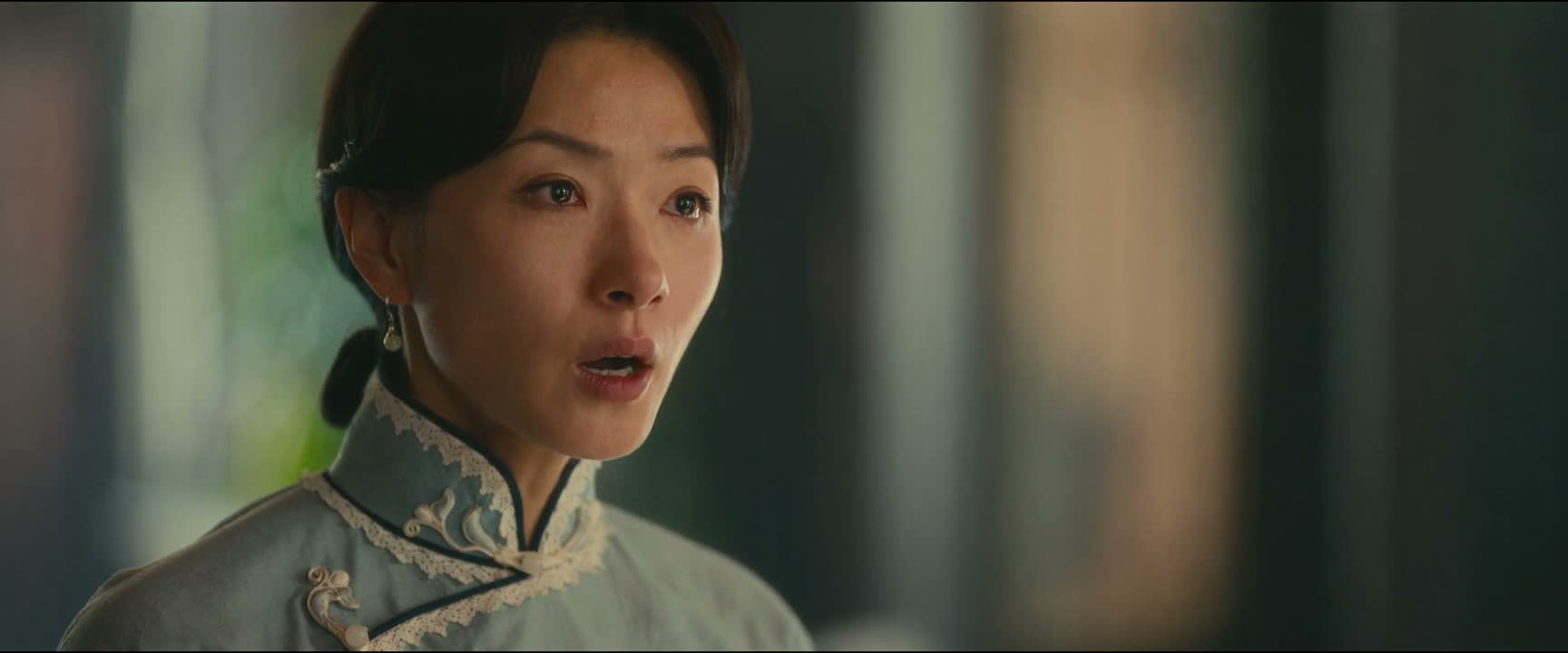
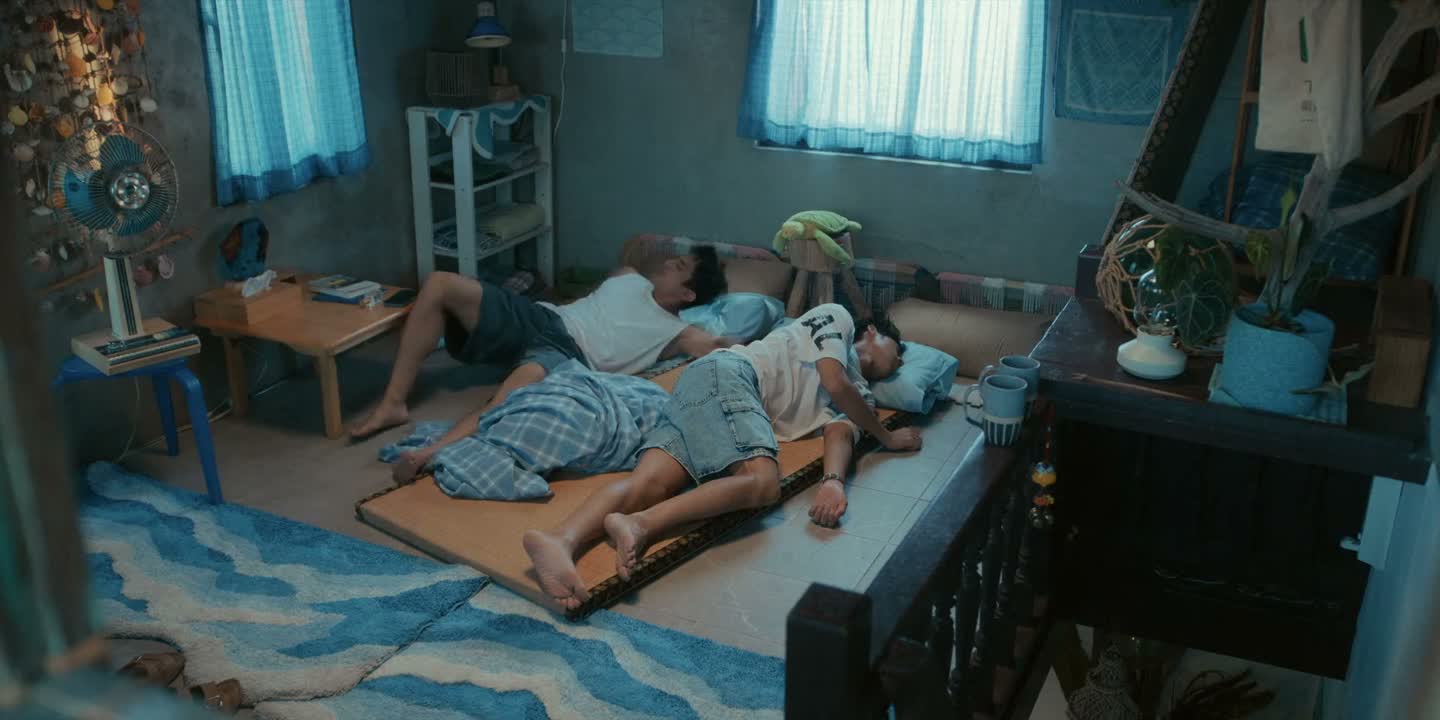
《Mama Go!》 S1·E9 (28:07) · Authentic Cinema Dialogue Corpus