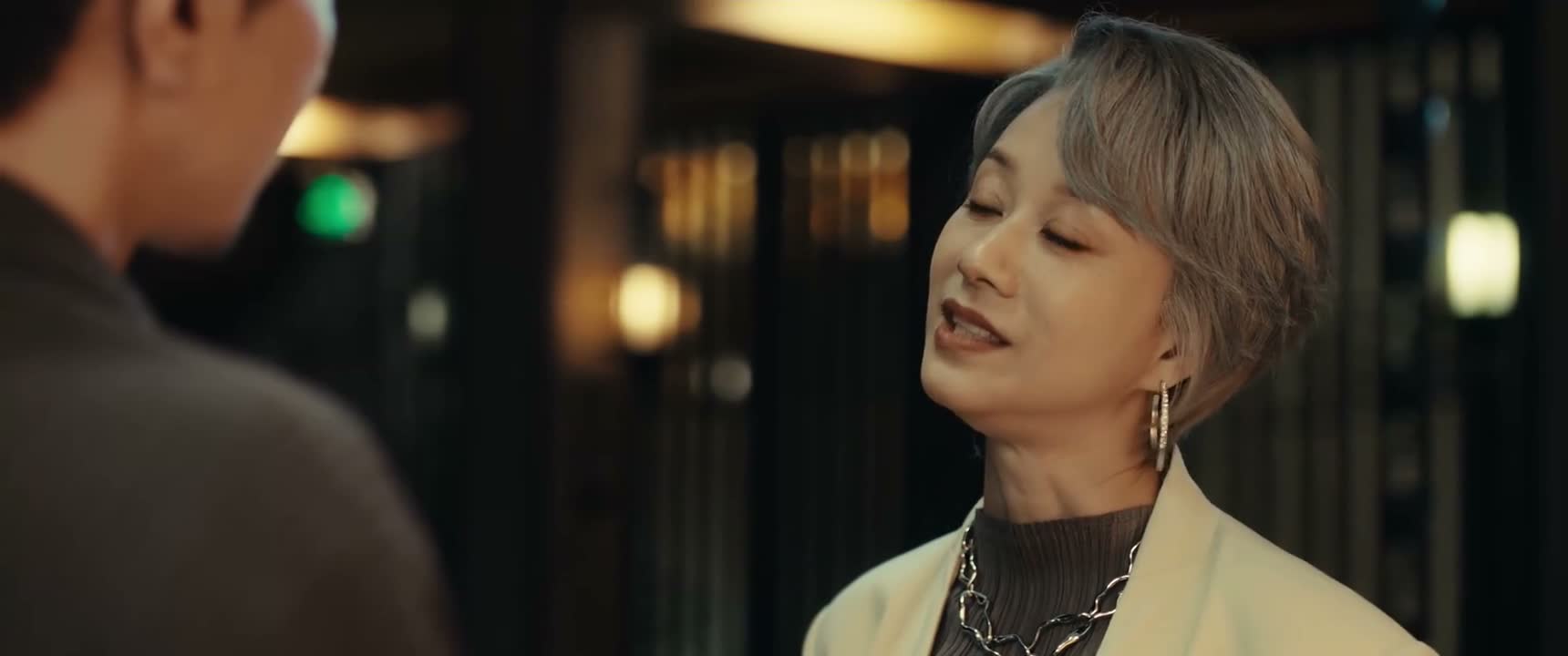
你知道吗 我们家那位租客 一个活生生的挑剔男
“You know what? That tenant at my place is a living embodiment of a picky guy.”
THE DIALOGUE REEL
这不是没对比吗
“There's no comparison, right?”
你知道吗 我们家那位 租客 一个 活生生的 挑剔 男
“You know what? That tenant at my place is a living embodiment of a picky guy.”
“All he does is look pretty and does no work.”
Direct spoken expression in this communicative setting.
Modern urban Chinese speakers frequently coin punchy character archetypes by attaching 'male' or 'female' to a personality trait (like 'picky guy' or 'mama's boy') when venting about dating or roommates.
LEARNING CHUNKS & PARTICLES
Do you know what? / You know what?
A very common conversational opener used to grab the listener's attention before sharing gossip, a complaint, or surprising news.
living, breathing; out-and-out; real-life example of
Used before a noun phrase for hyperbolic emphasis, meaning someone is the ultimate, textbook embodiment of a certain trait.
a picky/fussy guy
Adding the gender suffix 'male' or 'female' after an adjective or verb is a trendy colloquial way in modern Chinese to label a specific archetype of person.
Forms a yes/no question in 'Do you know?', functioning here as a rhetorical attention-getter rather than a genuine question.
VOCABULARY & EXPRESSIONS
Parallel Spoken Cinema Scenes (语义近邻切片)

“we'll be left behind by this era, you know? Then, why didn't you tell me?”

“Do you know? Can't I test him?”

“You know what? This gym alone is bigger than all 5 gyms I have at home combined.”
“You know, you need a fresh start.”

“You know what? I downloaded a lot of shows on my tablet.”

“You know what? I think I had a dream last night.”