早就应该来看你了
“I should have come to see you sooner.”
THE DIALOGUE REEL
我想你了呗
“Because I missed you.”
早就应该 来看你了
“I should have come to see you sooner.”
所里边
“At the station and at home, there's just too much going on.”
Direct spoken expression in this communicative setting.
Chinese speakers often soften expressions of affection by framing them as an overdue obligation or mild self-reproach to show modesty and sincerity.
LEARNING CHUNKS & PARTICLES
should have long ago
Used to express regret or an affectionate admission that an action is long overdue.
come to see/visit you
A common colloquial phrase used when visiting friends, relatives, or romantic partners.
Marks a change of state and reinforces the speaker's realization of past delay.
VOCABULARY & EXPRESSIONS
Parallel Spoken Cinema Scenes (语义近邻切片)

“I should have come to see you sooner.”
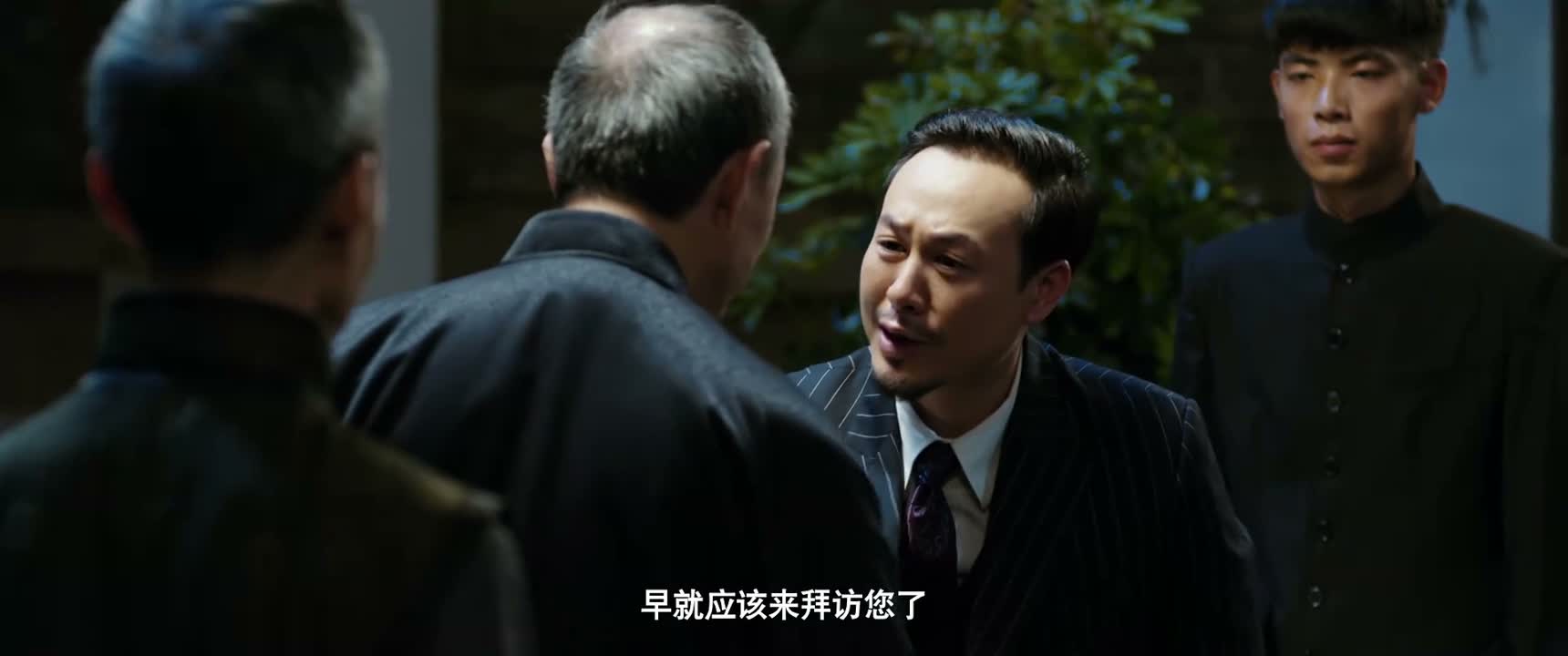
“I should have come to pay my respects long ago”

“I should've checked on him first,”

“has probably already arrived. Sorry,”