本来应该早点来看您的
“I should have come to see you sooner.”
THE DIALOGUE REEL
阿姨
“Auntie,”
本来应该 早点来看 您的
“I should have come to see you sooner.”
但工作好几个地方跑
“But I've been running around for work,”
“Please excuse my tardiness; I deeply respect you and wanted to see you much earlier.”
Apologizing for not visiting sooner upon greeting an elder is a foundational etiquette ritual in China, demonstrating deference and respect.
LEARNING CHUNKS & PARTICLES
should have (originally)
Used to express an obligation or expectation that was hindered by circumstances, often leading into an explanation.
come to visit you (honorific)
Combines the polite pronoun 您 with 看 to express respect when visiting an elder or superior.
Part of the '应该...的' construction expressing moral obligation and politeness.
VOCABULARY & EXPRESSIONS
Parallel Spoken Cinema Scenes (语义近邻切片)

“I should have come to see you sooner.”
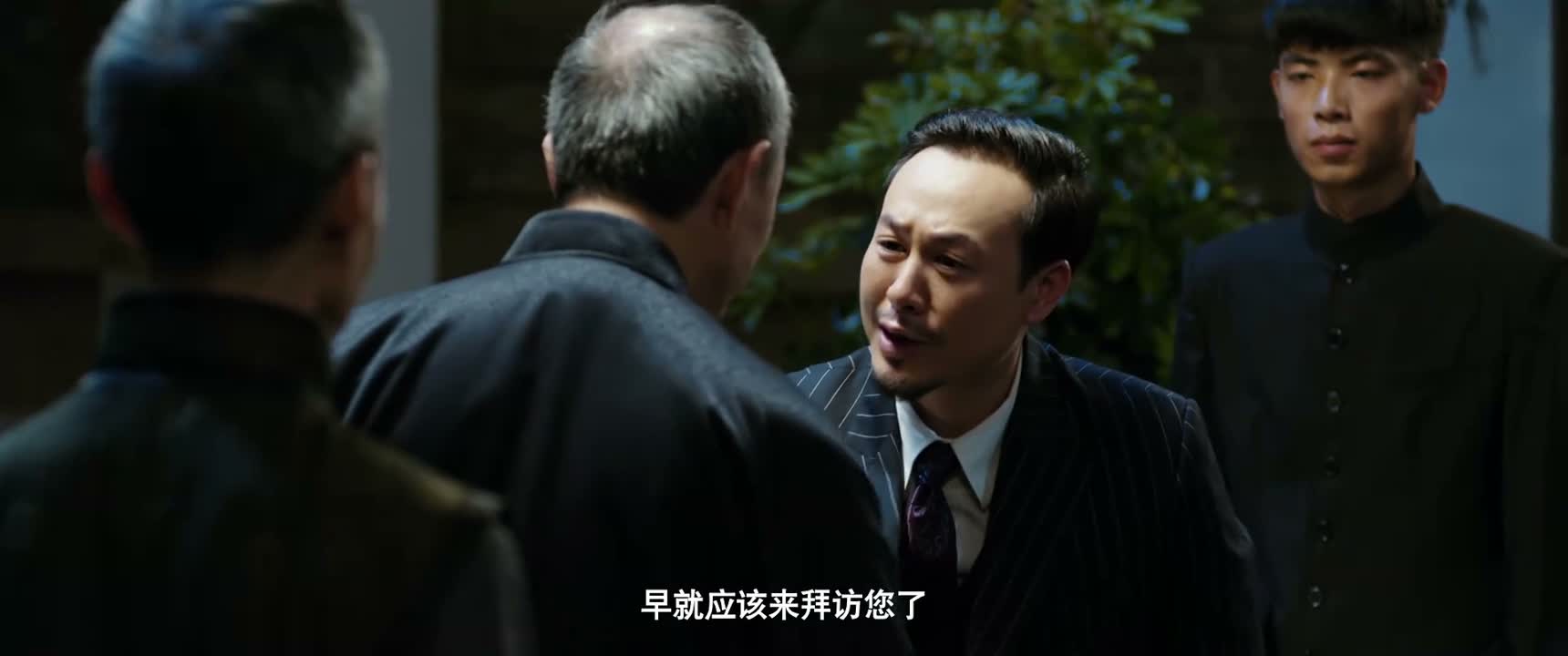
“I should have come to pay my respects long ago”

“I should've visited you ages ago.”

“I should've checked on him first,”