MC
MandarinClips Cinema Corpus
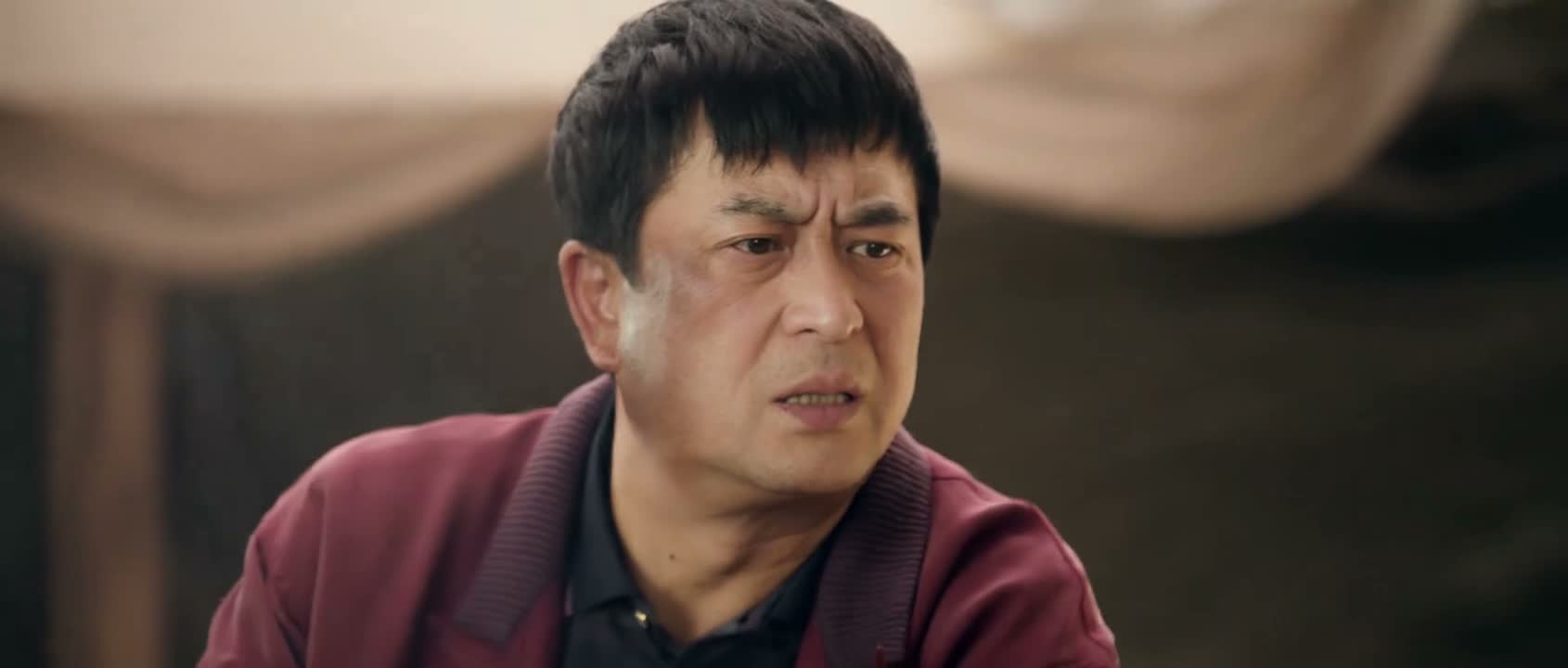
《The Lead》 S1·E40 (27:08) HSK 2
wǒ shá shí hòu gēn nǐ shuō guò zhè huà

我啥时候跟你说过这话

“When did I ever say that to you?”

《The Lead》 S1·E40
TIMECODE: 27:08 · 1080P MASTER AUDIO

THE DIALOGUE REEL

1+1+1 SPOKEN CONTINUITY
[-1] PREVIOUS TURN chàng xì jiù xiàng fàng yáng

唱戏就像放羊

“singing opera is like herding sheep.”

wǒ shá shí hòu gēn nǐ shuō guò zhè huà CURRENT FOCUS

我 啥时候 跟 你说 过这话

“When did I ever say that to you?”

[+1] FOLLOW-UP TURN xiāng dǎng men zhè shì wǒ men gē wǔ tuán jīn tiān dài gěi dà jiā de biǎo yǎn

乡党们 这是我们歌舞团 今天带给大家的表演

“(Black Rose Song and Dance Troupe) Everyone, this is the show we bring you today.”

Subtitles synced to millisecond timecode Browse Show Clips →
Scene: Daily Life
Function: DENYING ACCUSATION
Tone: DEFENSIVE
Emotion: INDIGNATION
WHAT THEY REALLY MEAN (PRAGMATIC SUBTEXT)
“I never said that! Stop putting ridiculous words in my mouth.”
💡 Cultural Insight: Rhetorical Denial in Chinese

Instead of saying a direct 'No, I didn't', Chinese speakers frequently use rhetorical time/place questions ('When did I...?', 'Where did I...?') to express strong denial and push the burden of proof back onto the accuser.

INTENT TAGS: #denial #rhetorical_question #rebuttal #disbelief
🧩

LEARNING CHUNKS & PARTICLES

2 CHUNKS · 0 PARTICLES
啥时候 SPOKEN CHUNK

when (colloquial)

A very common Northern Chinese informal equivalent of '什么时候'. Use it in casual conversation among friends or family.

说过这话 SPOKEN CHUNK

said these words / made this remark

Often used when disputing or verifying past statements in an argument.

🏮

VOCABULARY & EXPRESSIONS

2 EXPR · 0 GRAMMAR
CROSS-CINEMA CORPUS BOARD · PARALLEL SCENES

Parallel Spoken Cinema Scenes (语义近邻切片)

EXPLORE BY SEMANTIC SIMILARITY
《The Lead》 S1·E40 (27:08) · Authentic Cinema Dialogue Corpus