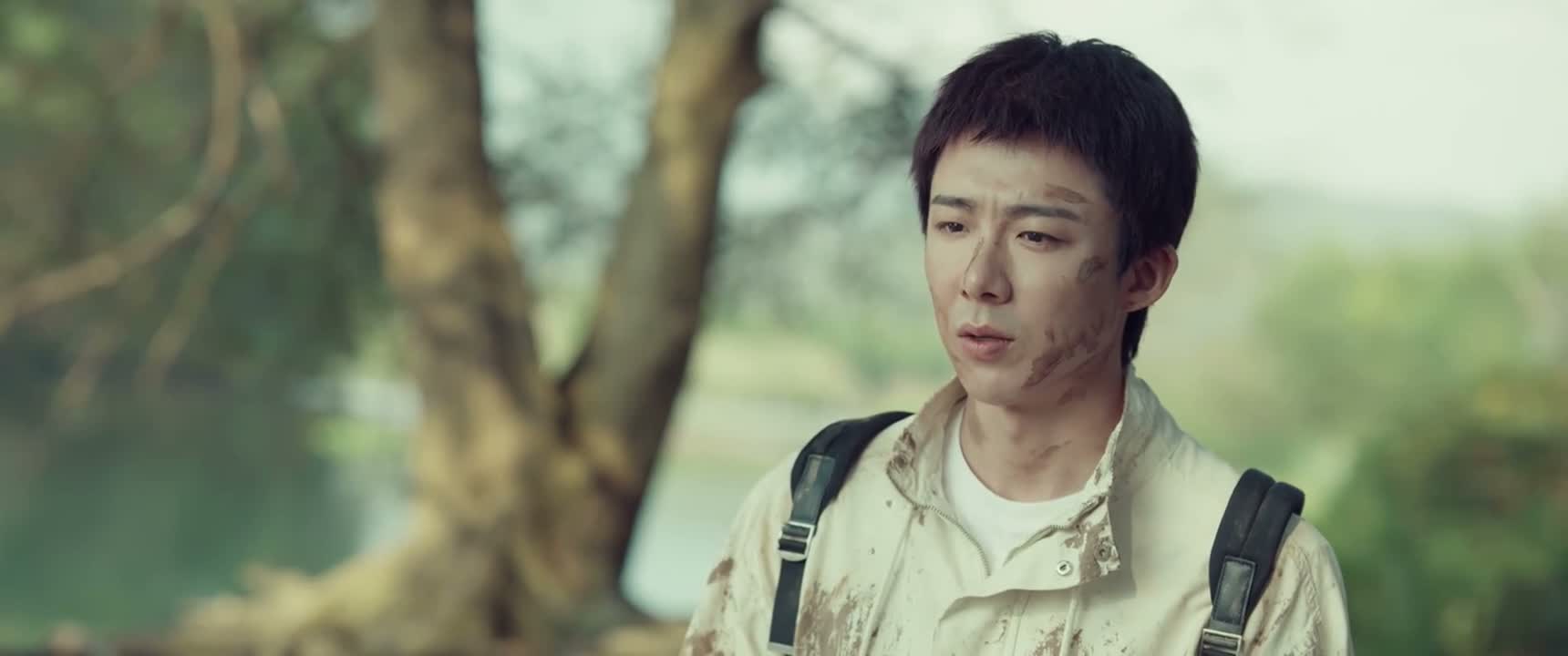
以前 我都忘了我以前啥样的了
“Before? I've forgotten what I was like before.”
THE DIALOGUE REEL
和以前完全不一样了
“You're completely different now.”
以前 我 都忘了 我 以前 啥样的 了
“Before? I've forgotten what I was like before.”
为啥干这个呀
“Why are you doing this?”
“Life has changed me so much that I barely recognize the person I used to be.”
Using 'sha' instead of 'shenme' (what) immediately creates a grounded, informal, and candid conversational atmosphere typical of Northern Chinese dialects.
LEARNING CHUNKS & PARTICLES
what kind of / what someone or something is like
Very common northern colloquialism replacing '什么样的' in casual speech when describing appearance or personality.
I have even forgotten
Used with '都' for emphasis to show that something unexpected or extreme has been forgotten.
Marks a change of state, emphasizing that the speaker's memory of their past self is now completely gone.
VOCABULARY & EXPRESSIONS
Parallel Spoken Cinema Scenes (语义近邻切片)

“Do you remember what you told me before?”

“Who can prove that? (Printery) This used to be Yang Village.”

“Remember what I told you before?”

“I feel like I just saw my old self.”

“You don't know what I've done in the past.”
“I'll never be the way I was before.”