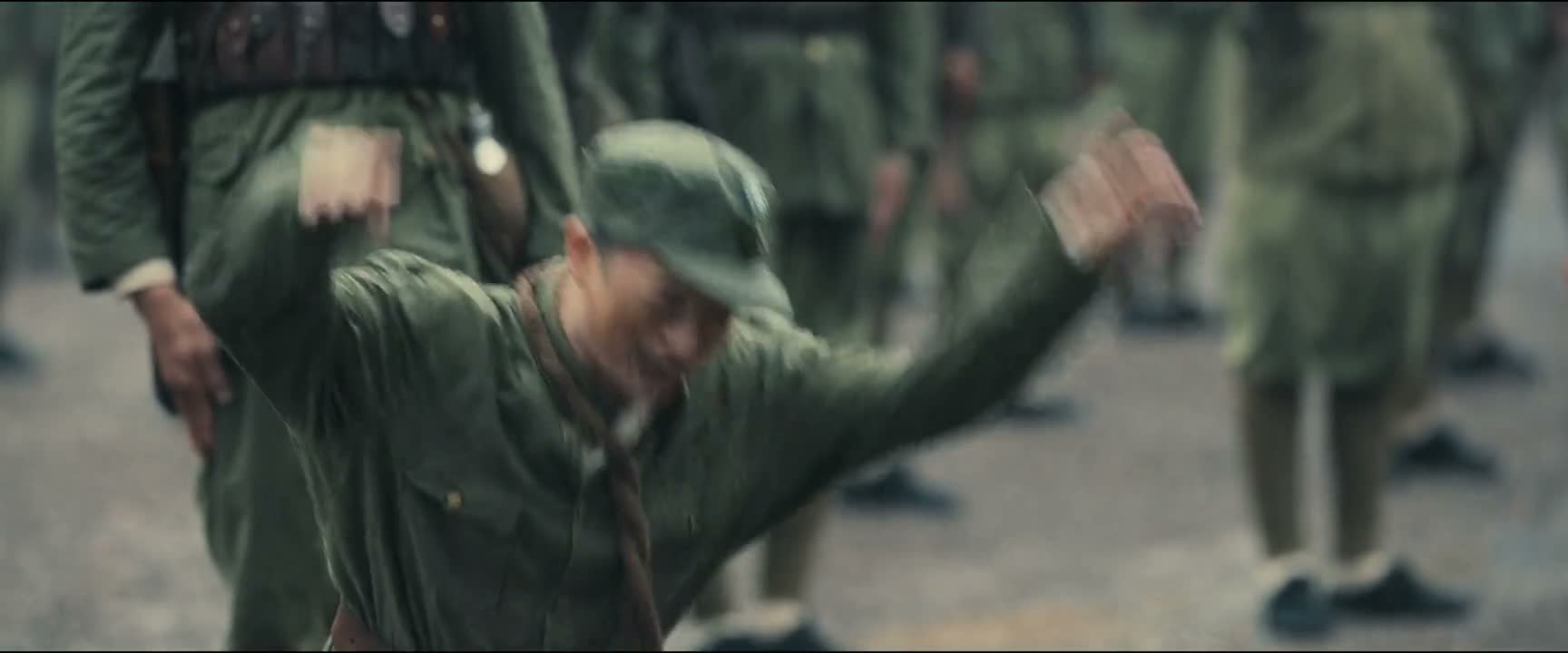
你可得为我做主啊 怎么了 怎么了
“Mr. Zheng, you must stand up for me. What's wrong?”
THE DIALOGUE REEL
书记啊
“Mr. Zheng, you must stand up for me.”
你 可得 为我做主 啊 怎么了 怎么了
“Mr. Zheng, you must stand up for me. What's wrong?”
“My two unfilial sons want to kick me out of the house.”
Direct spoken expression in this communicative setting.
In China, local community leaders or village Party Secretaries ('Shuji') are often expected to act as parental figures who mediate domestic and filial disputes among residents.
LEARNING CHUNKS & PARTICLES
to back me up / to get justice for me / to make the call on my behalf
Traditionally used when appealing to an official or elder to step in, judge a wrong, and protect the victim.
must / really have to
Used before a verb to strongly emphasize necessity or urgency in spoken Chinese (pronounced 'kě děi').
Heightens the emotional plea, adding a sense of desperation and urgency to the request.
Indicates a change of state in 'zenme le', asking what has just happened to cause this distress.