不该变一变吗
“change?”
THE DIALOGUE REEL
难道这样的江湖
“Shouldn't this Jianghu”
不该变一变吗
“change?”
你说的变
“You mean”
“This broken world must change, and I am going to be the one to change it.”
In Chinese culture, 'Jianghu' represents an alternative society governed by brotherhood, hierarchy, and unwritten codes. Questioning the rules of Jianghu symbolizes rebelling against entrenched traditional power.
LEARNING CHUNKS & PARTICLES
should not; ought not to
When paired with a question particle at the end, it forms a strong rhetorical question meaning 'Shouldn't it...?'
to make some changes; to change a bit
Verb reduplication softens the literal command while making the spoken rhythm sound natural and persuasive.
Turns the negative statement into a rhetorical question, pressing the listener to agree with the speaker's stance.
VOCABULARY & EXPRESSIONS
Parallel Spoken Cinema Scenes (语义近邻切片)
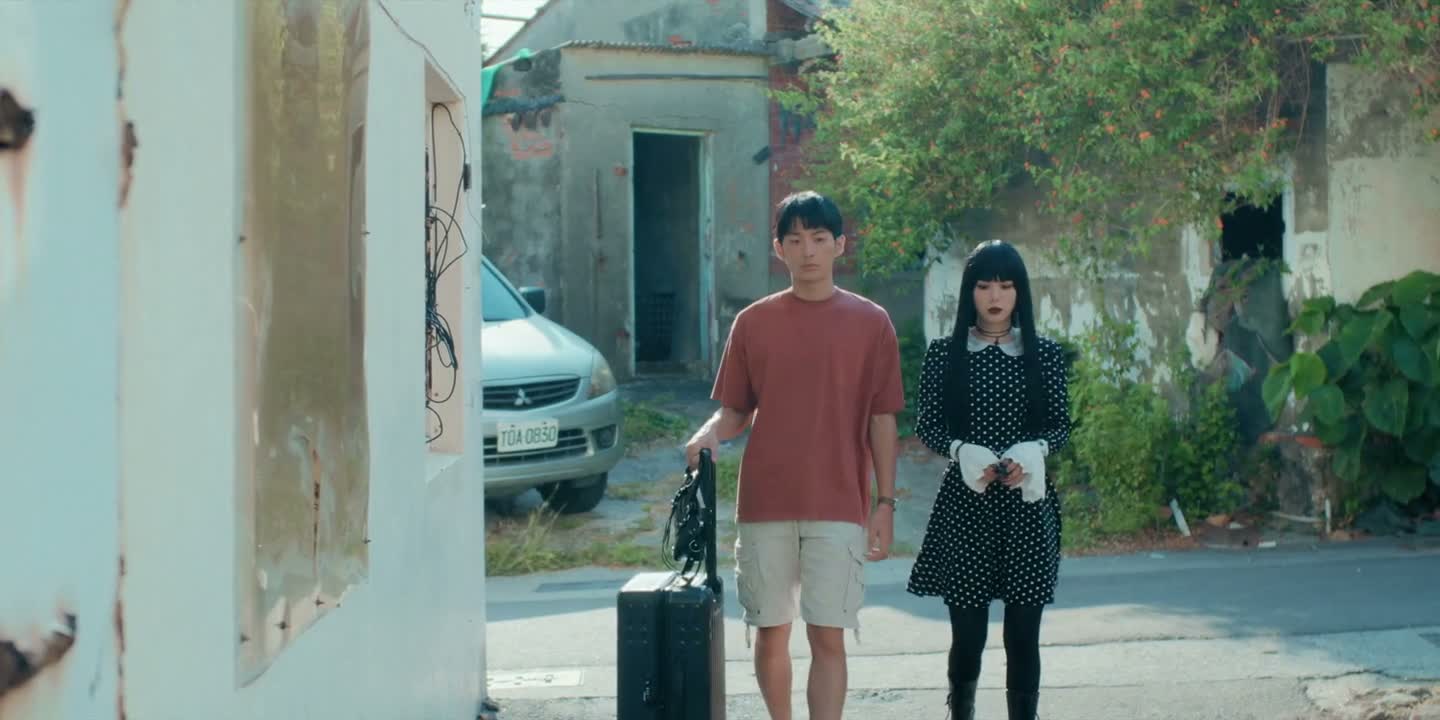
“you can't change back?”

“No matter how you change,”

“You're being silly. Ziqiu,”
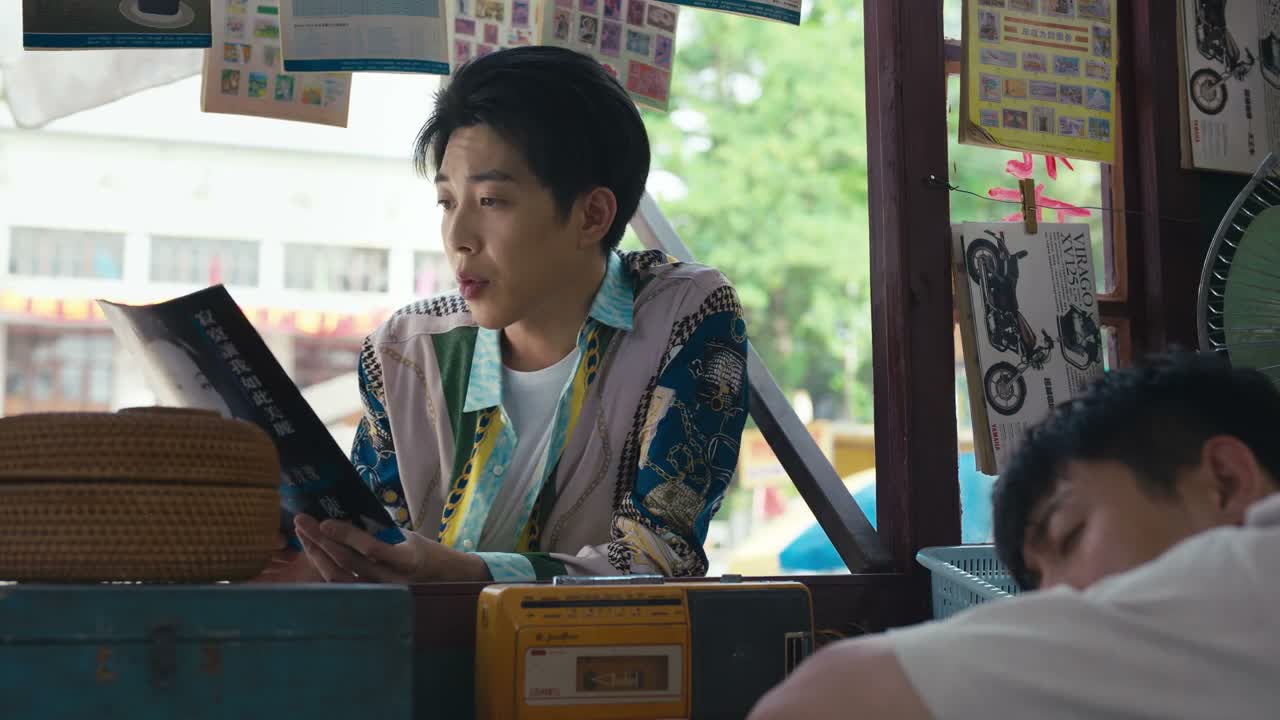
“If you don't change,”

“I haven't changed. I'll keep my word.”
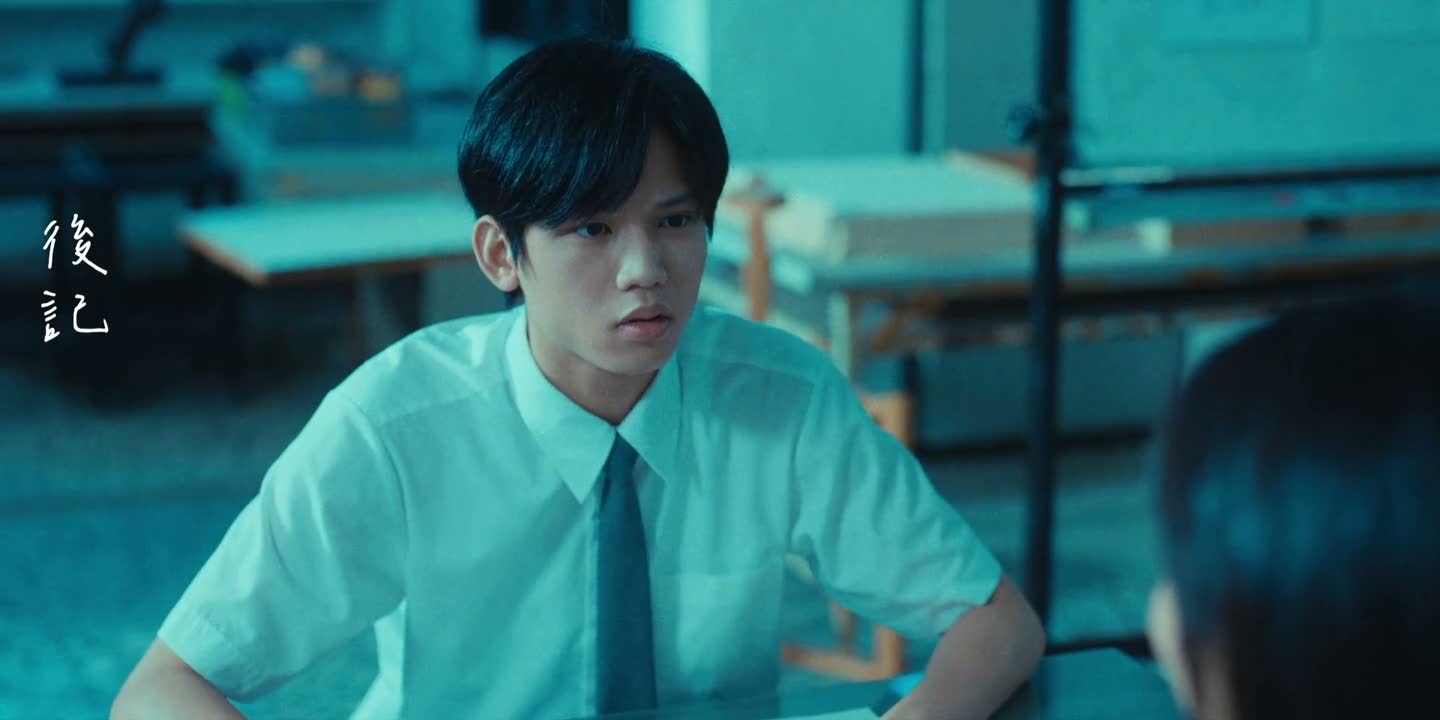
“and get better together. Wouldn't that be great?”