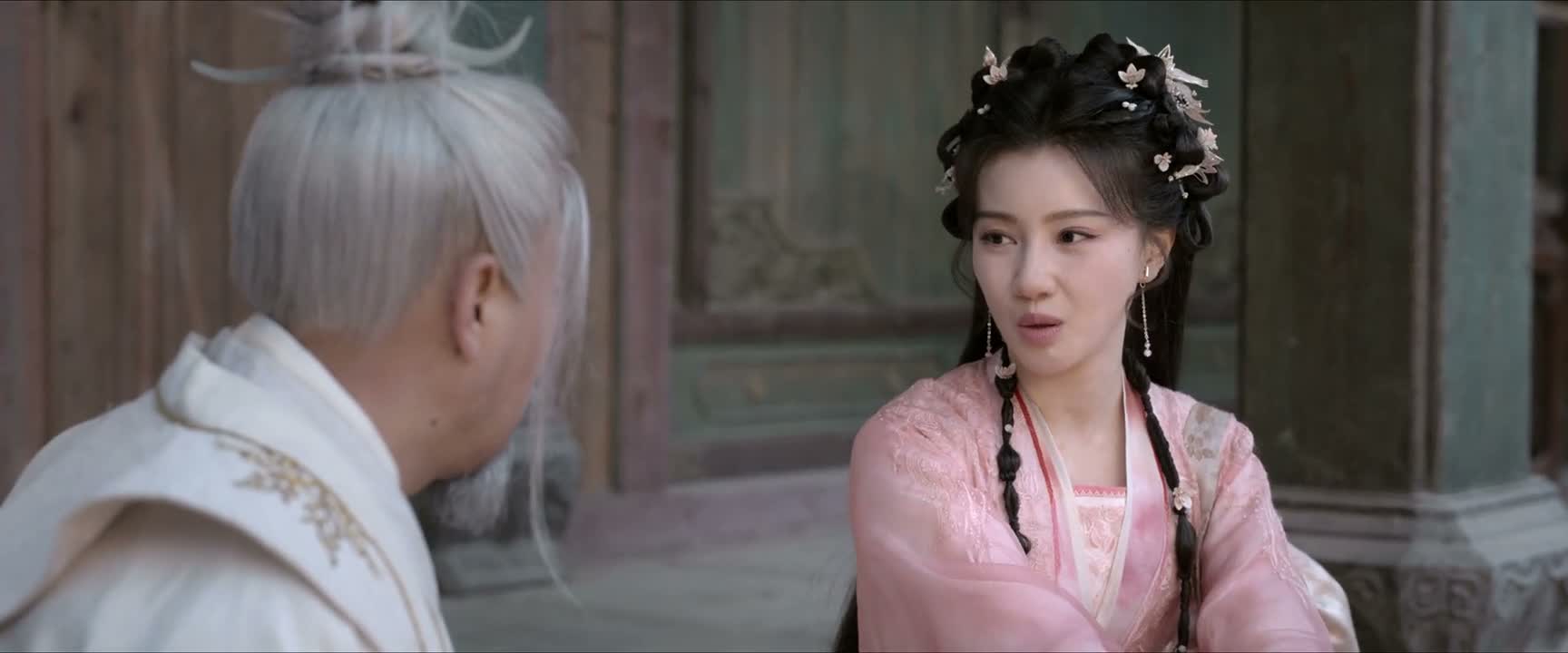
《Generation to Generation》 S1·E34 (31:38)
HSK 6
wǒ qǐ néng diū xià nǐ shī fù hé nǐ men
我岂能丢下你师父和你们
“how could I abandon”
《Generation to Generation》
S1·E34
TIMECODE: 31:38
·
1080P MASTER AUDIO
THE DIALOGUE REEL
[-1] PREVIOUS TURN
wēi nàn dāng tóu
危难当头
“In danger,”
wǒ qǐ néng diū xià nǐ shī fù hé nǐ men
CURRENT FOCUS
我岂能丢下你师父和你们
“how could I abandon”
Subtitles synced to millisecond timecode
Browse Show Clips →
Scene:
Crisis & Conflict
Function:
PLEDGING LOYALTY
Tone:
RIGHTEOUS
Emotion:
DETERMINATION
WHAT THEY REALLY MEAN (PRAGMATIC SUBTEXT)
“I will never abandon you all to save myself; I am staying to fight alongside you.”
💡 Cultural Insight: Yiqi (Code of Brotherhood and Loyalty)
In Chinese martial arts (Wuxia) and traditional ethics, loyalty to one's master (Shifu) and peers during life-or-death crises is the highest moral virtue; desertion brings ultimate shame.
INTENT TAGS:
#loyalty
#solidarity
#rhetorical_refusal
#bravery
🧩
2 CHUNKS · 0 PARTICLES
LEARNING CHUNKS & PARTICLES
岂能
SPOKEN CHUNK
how could (one) possibly...
A literary rhetorical marker used to express strong refusal or moral indignation. Best reserved for formal writing or understanding historical dramas.
丢下
SPOKEN CHUNK
to leave behind / to abandon
Commonly used in everyday spoken Chinese when talking about leaving people or responsibilities behind.
🏮
2 EXPR · 4 GRAMMAR
VOCABULARY & EXPRESSIONS
COLLOQUIAL EXPRESSIONS:
GRAMMAR BLUEPRINTS:
CROSS-CINEMA CORPUS BOARD · PARALLEL SCENES
EXPLORE BY SEMANTIC SIMILARITY
Parallel Spoken Cinema Scenes (语义近邻切片)
《Generation to Generation》 S1·E34 (31:38) · Authentic Cinema Dialogue Corpus