我整夜整夜睡不着觉 我白天也没法好好工作
“keeping me awake all night, and I can't work properly during the day.”
THE DIALOGUE REEL
整得我
“It's been”
我整夜 整夜睡不着觉 我白天 也没法 好好工作
“keeping me awake all night, and I can't work properly during the day.”
我这实在不知道怎么办了 我就想来看看
“I really don't know what to do, so I thought I'd come and see”
Direct spoken expression in this communicative setting.
Chinese speakers often articulate emotional turmoil or life crisis through bodily symptoms like insomnia and disrupted daily routines when seeking help.
LEARNING CHUNKS & PARTICLES
night after night / whole nights on end
Reduplication of '整夜' emphasizes uninterrupted continuity and intense suffering over time.
unable to fall asleep
A classic potential complement structure ('V + 不 + complement') denoting inability to sleep.
work properly / concentrate on work
'好好' before a verb means to do something properly, thoroughly, or attentively.
VOCABULARY & EXPRESSIONS
Parallel Spoken Cinema Scenes (语义近邻切片)

“when I couldn't sleep all night.”

“Stay awake all night.”

“Yes. I work at night.”

“If you have trouble falling asleep, you could give it a try.”
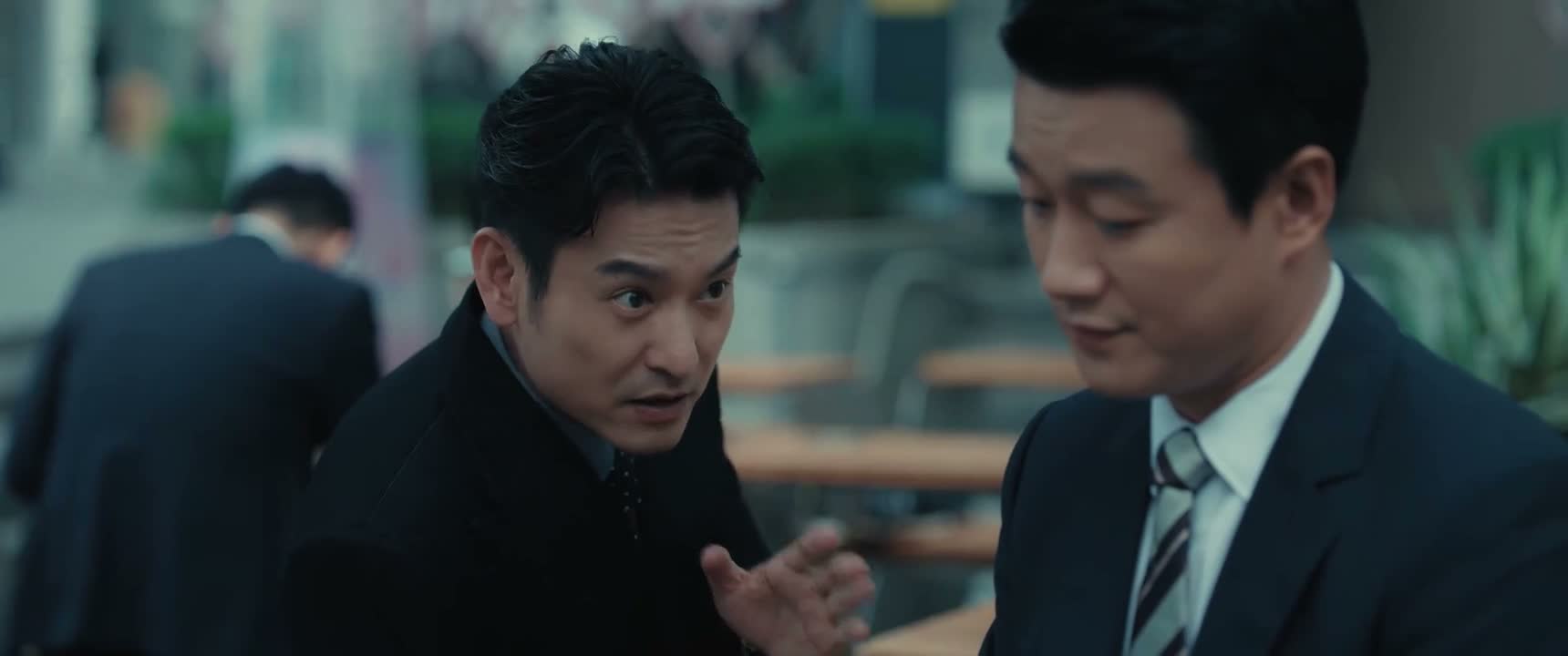
“she's been losing sleep night after night.”
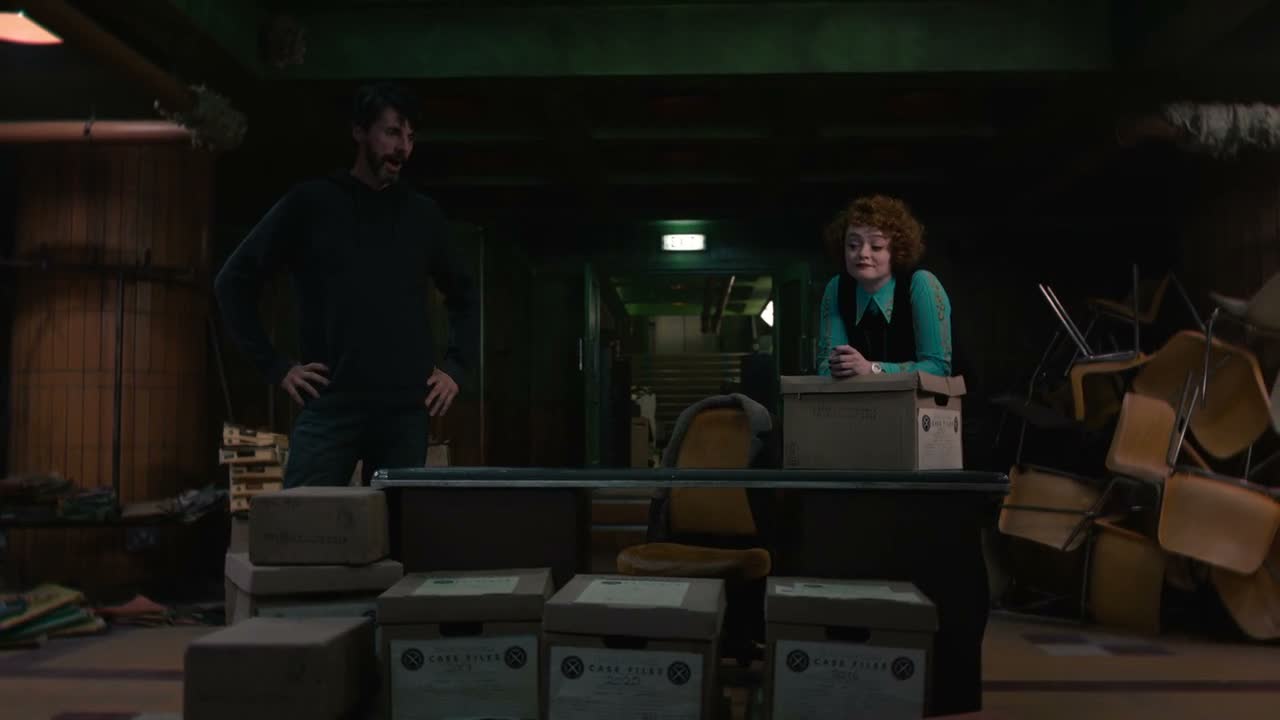
“I was working on taking a fucking nap.”