我们家蕾蕾呢 这边 我们家蕾蕾在哪 跟我走
“Where's our Leilei? -This way. -Where's our Leilei? Come with me. [Police]”
THE DIALOGUE REEL
这儿
“Here.”
我们家蕾蕾呢 这边 我们家 蕾蕾在哪 跟我走
“Where's our Leilei? -This way. -Where's our Leilei? Come with me. [Police]”
您慢点慢点
“[Police] Careful. Careful.”
Direct spoken expression in this communicative setting.
Prefacing a child's name with 'our family's' emphasizes strong kinship ties and emotional protectiveness in Chinese culture.
LEARNING CHUNKS & PARTICLES
our / my (referring affectionately to a family member)
Commonly placed before a child or relative's name to express familial closeness and possessiveness.
follow me / come with me
Used as a direct command to lead someone somewhere immediately.
Marks an open, pressing question indicating urgency about someone's whereabouts.
VOCABULARY & EXPRESSIONS
Parallel Spoken Cinema Scenes (语义近邻切片)

“Our Leilei had always been an honest girl.”

“I want to talk to you about Leilei's house.”

“Didn't you say Leilei had that tattoo too? They have it too.”

“If Leilei hadn't told me, I wouldn't even have known I had a son.”
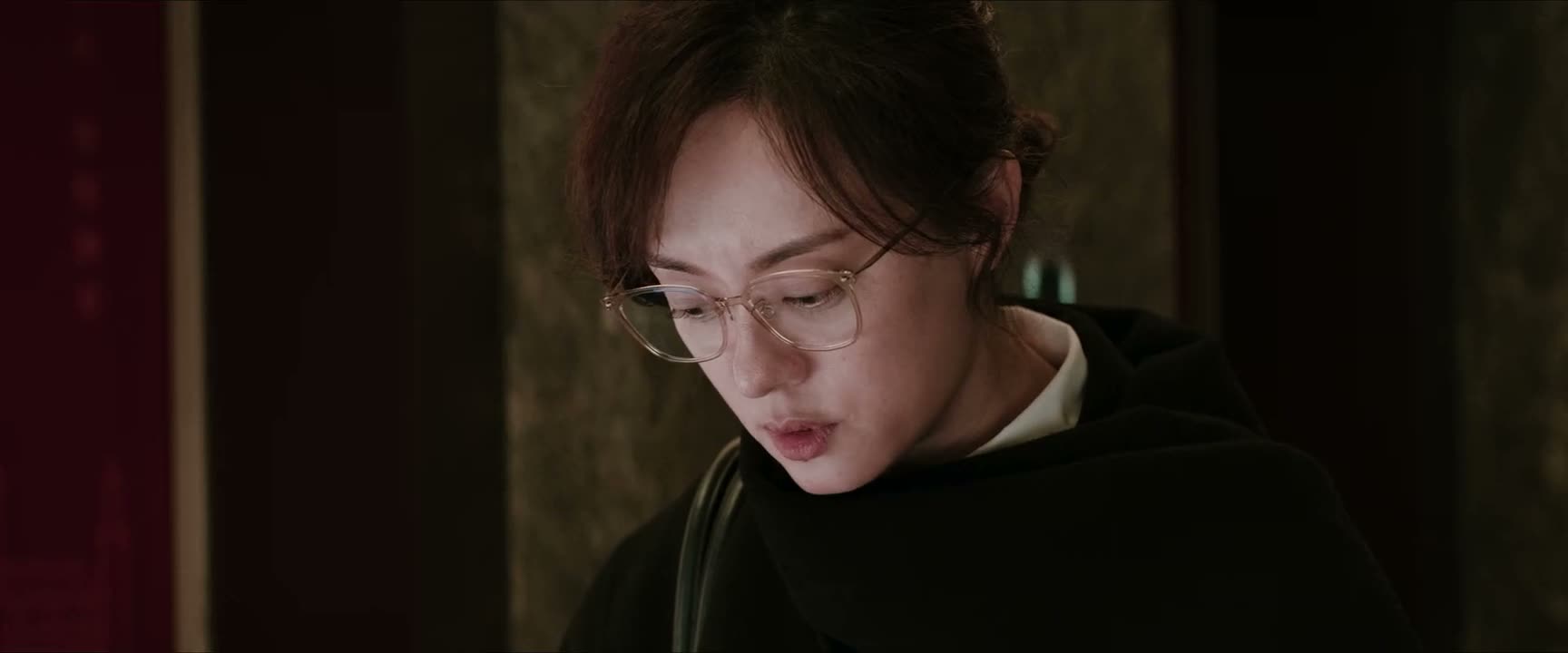
“It was always Leilei who made the reservations.”

“I just want to gather everything related to Leilei.”