但是我今天不愿意跪了
“But I don't want to kneel today.”
THE DIALOGUE REEL
我能撑出一片天
“I can make it.”
但是 我 今天 不愿意跪了
“But I don't want to kneel today.”
我也不愿意哈了
“I don't want to either.”
“I have had enough of bowing and degrading myself; I am taking a stand.”
In Chinese culture, kneeling represents the ultimate submission or loss of dignity (骨气, moral backbone); declaring that one refuses to kneel anymore signifies reclaiming self-respect against oppression.
LEARNING CHUNKS & PARTICLES
unwilling to; not want to
Commonly used to directly refuse or express reluctance to perform an action.
to kneel; to submit
Often used metaphorically in modern Chinese to mean groveling, compromising one's dignity, or submitting to authority.
Indicates a change of state, highlighting that the speaker's patience has ended and they will no longer tolerate the situation.
VOCABULARY & EXPRESSIONS
Parallel Spoken Cinema Scenes (语义近邻切片)

“I was almost on my knees.”

“So why is he kneeling there, slapping his own face?”

“Ms. Wen, you've been kneeling for a long time. Rise and rest awhile.”

“you don't have to keep kneeling before me begging for forgiveness.”
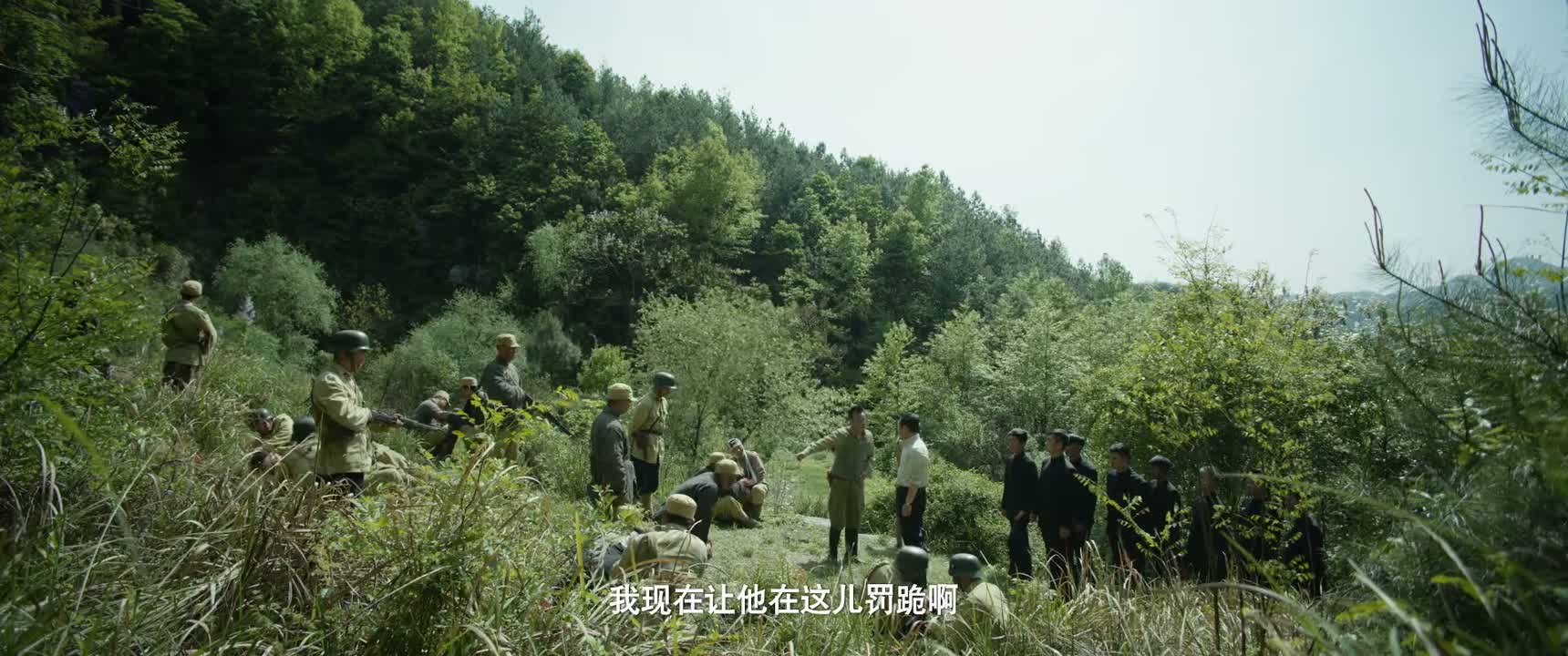
“I'm making him kneel here as punishment.”

“Also, you've been kneeling. Get up.”