我当年输就输了
“I lost back then; so be it.”
THE DIALOGUE REEL
我当年输就输了
“I lost back then; so be it.”
离开便是
“I could have left.”
“I accepted my loss with dignity, so do not use my defeat as an excuse for your malice.”
In Chinese chivalric code, an honorable martial artist accepts fair defeat without excuses, contrasting sharply with conspiratorial revenge.
LEARNING CHUNKS & PARTICLES
if I lost, so be it; what is done is done
A colloquial duplication pattern (V + 就 + V + 了) expressing frank acceptance of an outcome without remorse.
back in those days; in that year
Used to introduce a significant event from the past to contrast it with current circumstances.
Marks completion and a settled emotional attitude of acceptance.
VOCABULARY & EXPRESSIONS
Parallel Spoken Cinema Scenes (语义近邻切片)

“You already lost two years ago.”
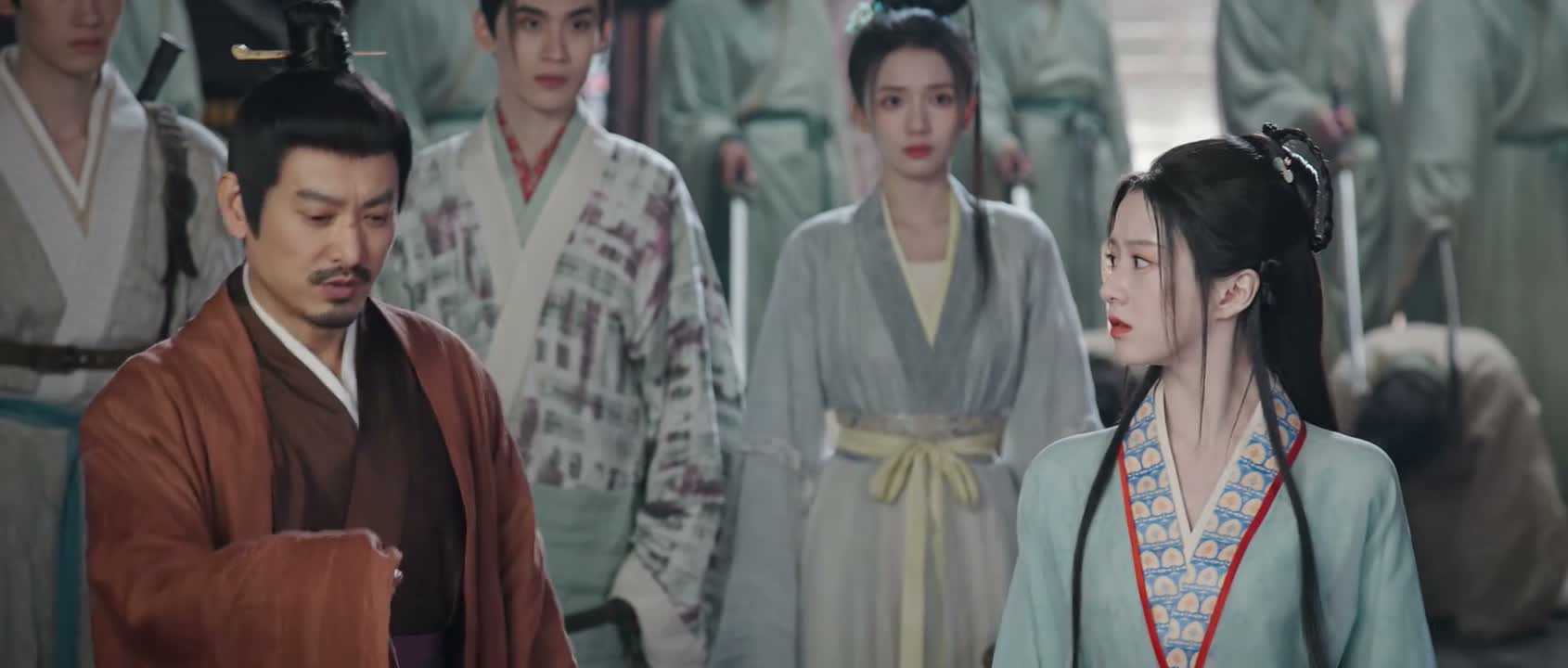
“if you're resentful about losing to me,”
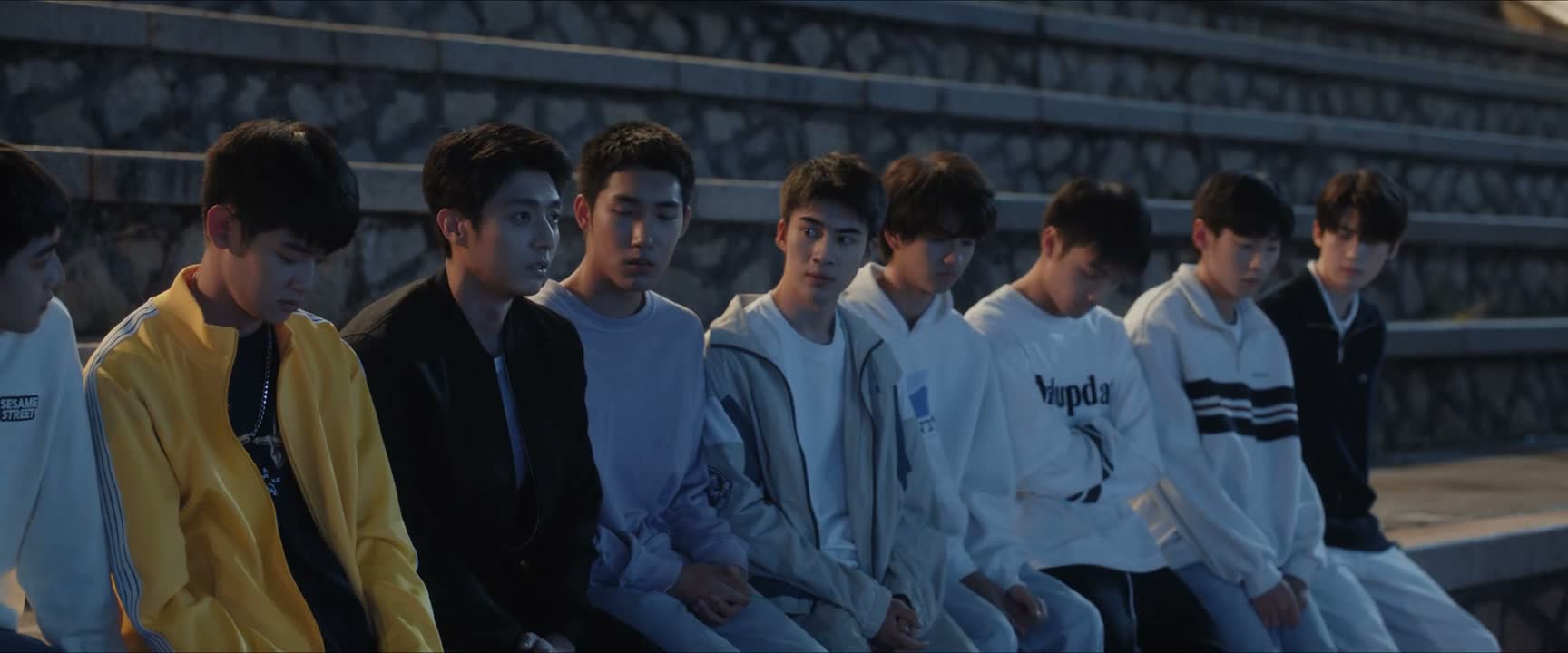
“In the past, I only cared about winning”

“after my last defeat, I resolved”

“I'd love to lose to you for a lifetime.”

“You gave me blood and saved my life back then. That, I can't forget.”