MC
MandarinClips Cinema Corpus
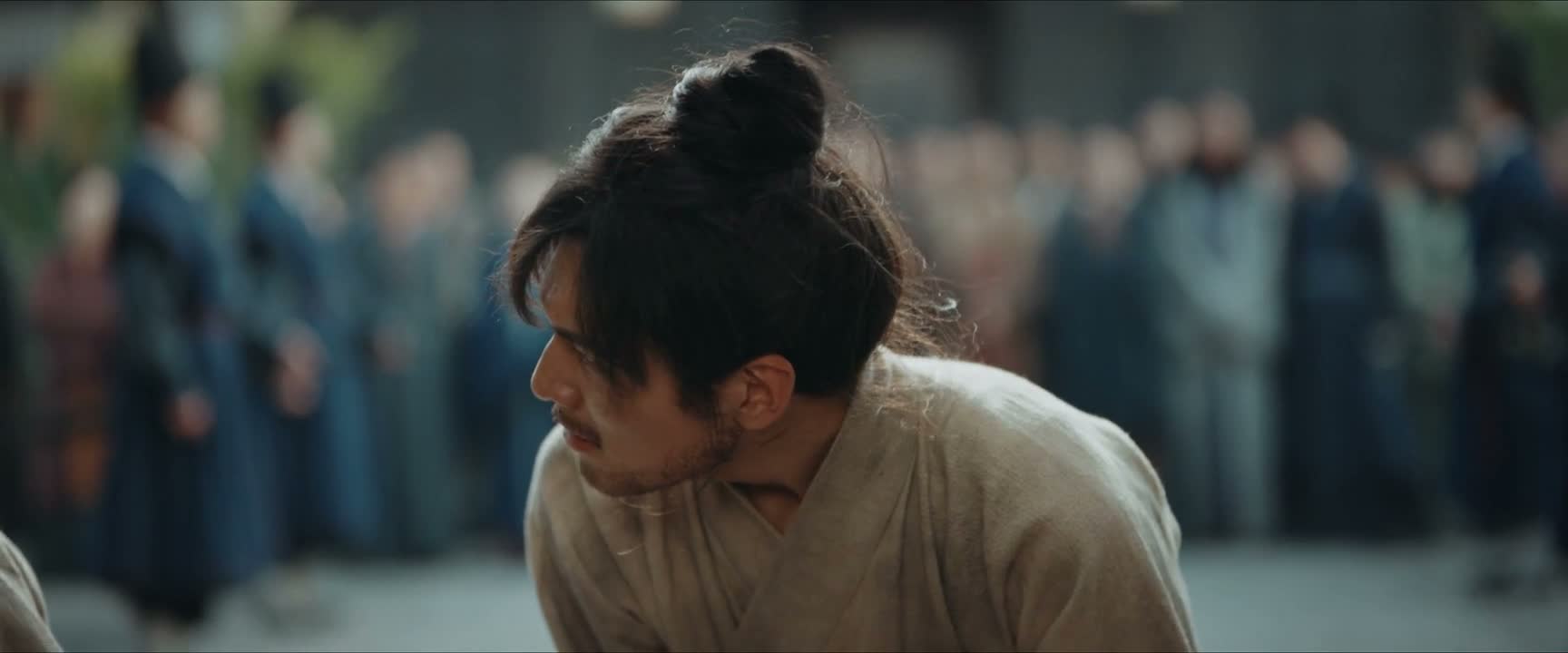
《Echoes of a Thousand Moons》 S1·E18 (17:14) HSK 5
nán dào yě bù gǎn chéng rèn ma

难道也不敢承认吗

“Don't I even dare to admit it?”

《Echoes of a Thousand Moons》 S1·E18
TIMECODE: 17:14 · 1080P MASTER AUDIO

THE DIALOGUE REEL

1+1+1 SPOKEN CONTINUITY
[-1] PREVIOUS TURN wǒ suī rán bù néng shàng qián xiàn nán dào wǒ bù néng shuō xīn lǐ huà ma

我虽然不能上前线 难道我不能说心里话吗

“Although I can't go to the frontlines, can't I speak my mind?”

nán dào yě bù gǎn chéng rèn ma CURRENT FOCUS

难道 也不 敢承认 吗

“Don't I even dare to admit it?”

[+1] FOLLOW-UP TURN zhè yàng zuò

这样做

“By doing so,”

Subtitles synced to millisecond timecode Browse Show Clips →
Scene: Crisis & Conflict
Function: CHALLENGING INTEGRITY
Tone: CONFRONTATIONAL
Emotion: INDIGNATION
WHAT THEY REALLY MEAN (PRAGMATIC SUBTEXT)
“Are you really such a coward that you won't even own up to what's obvious?”
💡 Cultural Insight: Moral Courage (Dandang)

In Chinese moral discourse, the willingness to speak truth and admit facts (敢作敢当) is considered an essential virtue; denying obvious truth is seen as contemptible cowardice.

INTENT TAGS: #confronting #shaming #rhetorical_question #provocation
🧩

LEARNING CHUNKS & PARTICLES

2 CHUNKS · 1 PARTICLES
难道……吗 SPOKEN CHUNK

could it be that...?; do you mean to say...?

A powerful rhetorical structure used to express incredulity, challenge an opponent, or press a point forcefully.

不敢承认 SPOKEN CHUNK

too cowardly to admit / dare not confess

Standard collocation used when accusing someone of dodging responsibility or denying reality out of fear.

Modal Particle「吗」 (ma) CHANGE OF STATE

Marks the end of a rhetorical question, transforming the inquiry into a sharp, pointed challenge.
🏮

VOCABULARY & EXPRESSIONS

2 EXPR · 1 GRAMMAR
COLLOQUIAL EXPRESSIONS:
GRAMMAR BLUEPRINTS:
CROSS-CINEMA CORPUS BOARD · PARALLEL SCENES

Parallel Spoken Cinema Scenes (语义近邻切片)

EXPLORE BY SEMANTIC SIMILARITY
《Echoes of a Thousand Moons》 S1·E18 (17:14) · Authentic Cinema Dialogue Corpus