MC
MandarinClips Cinema Corpus
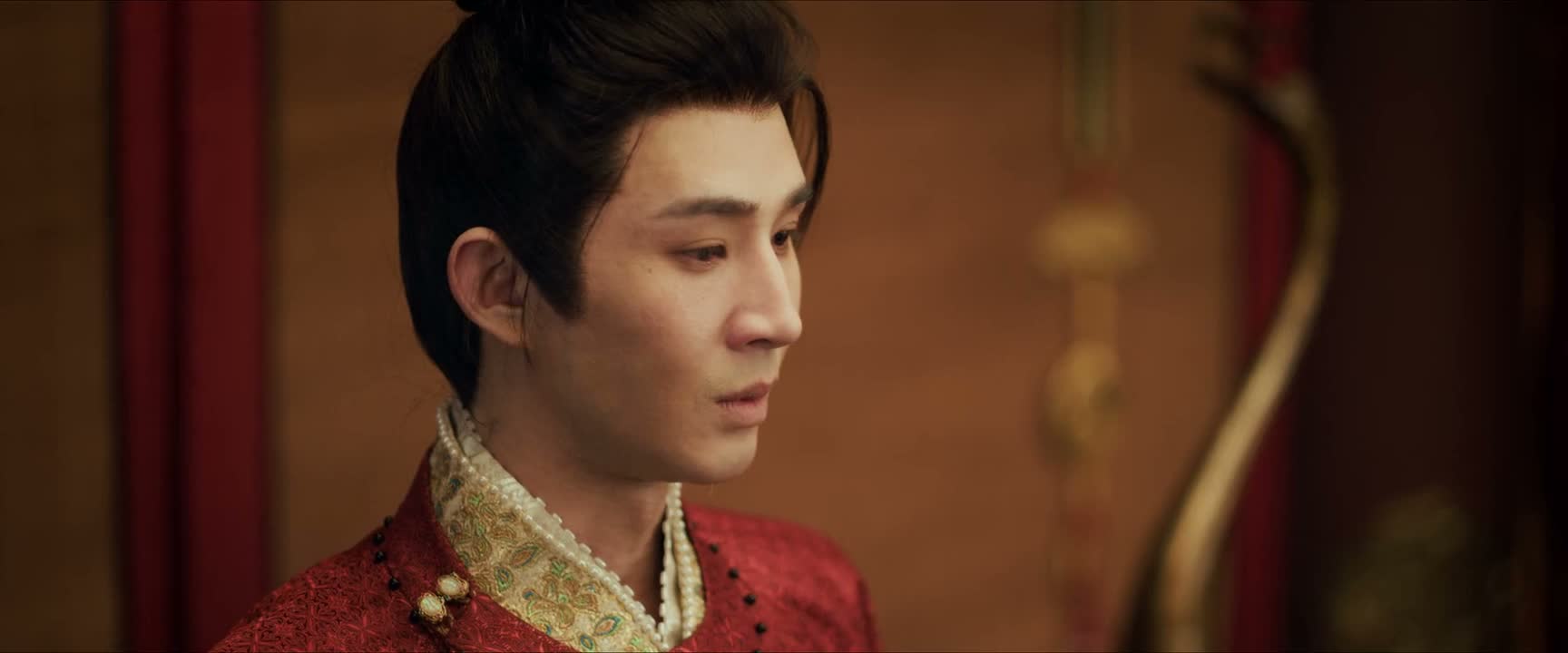
《How Dare You!?》 S1·E16 (24:03) HSK 3
āi jiā zài zhè ér děng nǐ men èr wèi hěn jiǔ le

哀家在这儿等你们二位很久了

“I've been waiting here for you two for quite some time.”

《How Dare You!?》 S1·E16
TIMECODE: 24:03 · 1080P MASTER AUDIO

THE DIALOGUE REEL

1+1+1 SPOKEN CONTINUITY
[-1] PREVIOUS TURN hé yǔ guì fēi ma

和庾贵妃吗

“[Kunyu Palace] the banquet early?”

āi jiā zài zhè ér děng nǐ men èr wèi hěn jiǔ le CURRENT FOCUS

哀家 在这 儿 等 你们二位很久 了

“I've been waiting here for you two for quite some time.”

[+1] FOLLOW-UP TURN chén qiè shì cái zài diàn wài ǒu yù le xiè fēi

臣妾适才在殿外偶遇了谢妃

“I happened to encounter Consort Xie outside the hall just now.”

Subtitles synced to millisecond timecode Browse Show Clips →
Scene: Historical & Court
Function: CHALLENGING AUTHORITY
Tone: ASSERTIVE
Emotion: IMPATIENCE
WHAT THEY REALLY MEAN (PRAGMATIC SUBTEXT)
“You dare keep me waiting? You had better have an extraordinary excuse.”
💡 Cultural Insight: Imperial Punctuality and Hierarchy

In dynastic China, keeping a superior elder—especially the Empress Dowager—waiting was considered a grave breach of filial piety and court discipline.

INTENT TAGS: #intimidation #reprimand #dominance #impatience
🧩

LEARNING CHUNKS & PARTICLES

2 CHUNKS · 1 PARTICLES
二位 SPOKEN CHUNK

the two of you

A polite plural form of address for two people, often used in formal or literary spoken contexts.

很久了 SPOKEN CHUNK

for a very long time

Placed at the end of a predicate to underline duration and mounting frustration.

Modal Particle「了」 (le) CHANGE OF STATE

Indicates the continuation of an action up to the present moment, stressing how long the wait has been.
🏮

VOCABULARY & EXPRESSIONS

1 EXPR · 1 GRAMMAR
COLLOQUIAL EXPRESSIONS:
GRAMMAR BLUEPRINTS:
CROSS-CINEMA CORPUS BOARD · PARALLEL SCENES

Parallel Spoken Cinema Scenes (语义近邻切片)

EXPLORE BY SEMANTIC SIMILARITY
《How Dare You!?》 S1·E16 (24:03) · Authentic Cinema Dialogue Corpus