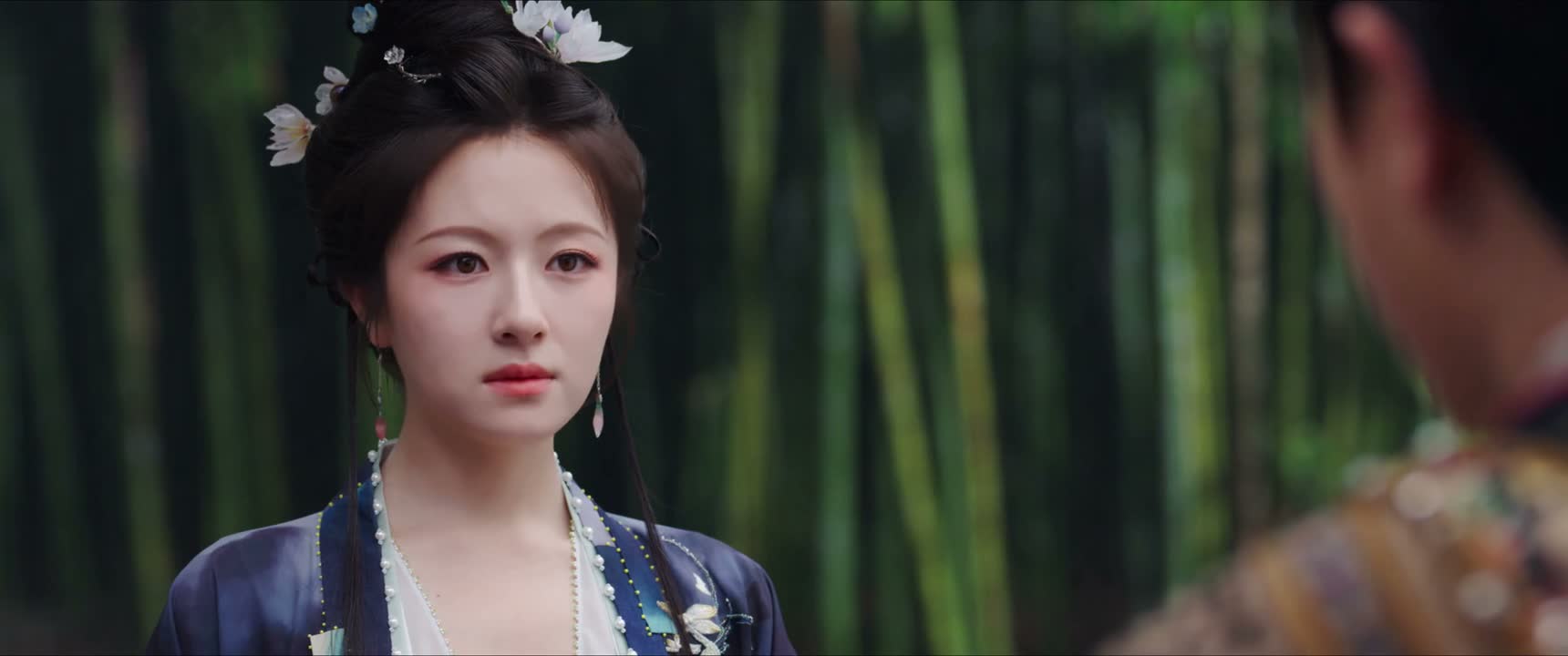
《Light to the Night》 S1·E28 (07:47)
HSK 1
wǒ hái kě yǐ jià huò gěi tā
我还可以嫁祸给她
“I could still pin the blame on her.”
《Light to the Night》
S1·E28
TIMECODE: 07:47
·
1080P MASTER AUDIO
THE DIALOGUE REEL
[-1] PREVIOUS TURN
wàn yī jì huà shī bài
万一计划失败
“if the plan failed,”
wǒ hái kě yǐ jià huò gěi tā
CURRENT FOCUS
我 还可以 嫁祸给 她
“I could still pin the blame on her.”
[+1] FOLLOW-UP TURN
nǐ bú shì kǒu kǒu shēng shēng shuō yào bǎo hù qiáo sù qīng ma ?
“You kept insisting that you wanted to protect Qiao Suqing.”
Subtitles synced to millisecond timecode
Browse Show Clips →
Scene:
Crisis & Conflict
Function:
PROPOSING A CONTINGENCY PLAN
Tone:
CALCULATING
Emotion:
ANXIETY
WHAT THEY REALLY MEAN (PRAGMATIC SUBTEXT)
Direct spoken expression in this communicative setting.
💡 Cultural Insight: Scapegoating (嫁祸于人)
Derived from classical idiom traditions, framing another person to deflect severe consequences reflects dramatic tension around morality versus survival.
INTENT TAGS:
#framing
#contingency
#deflection
#scheming
🧩
1 CHUNKS · 0 PARTICLES
LEARNING CHUNKS & PARTICLES
嫁祸给
SPOKEN CHUNK
to shift the blame onto; to frame someone
A strong, literary-origin verb phrase used when deliberately pinning guilt, crimes, or disaster onto another person.
🏮
2 EXPR · 0 GRAMMAR
VOCABULARY & EXPRESSIONS
COLLOQUIAL EXPRESSIONS:
CROSS-CINEMA CORPUS BOARD · PARALLEL SCENES
EXPLORE BY SEMANTIC SIMILARITY
Parallel Spoken Cinema Scenes (语义近邻切片)
《Light to the Night》 S1·E28 (07:47) · Authentic Cinema Dialogue Corpus