啥时候回来的 昨天晚上回来的 坐坐坐 快
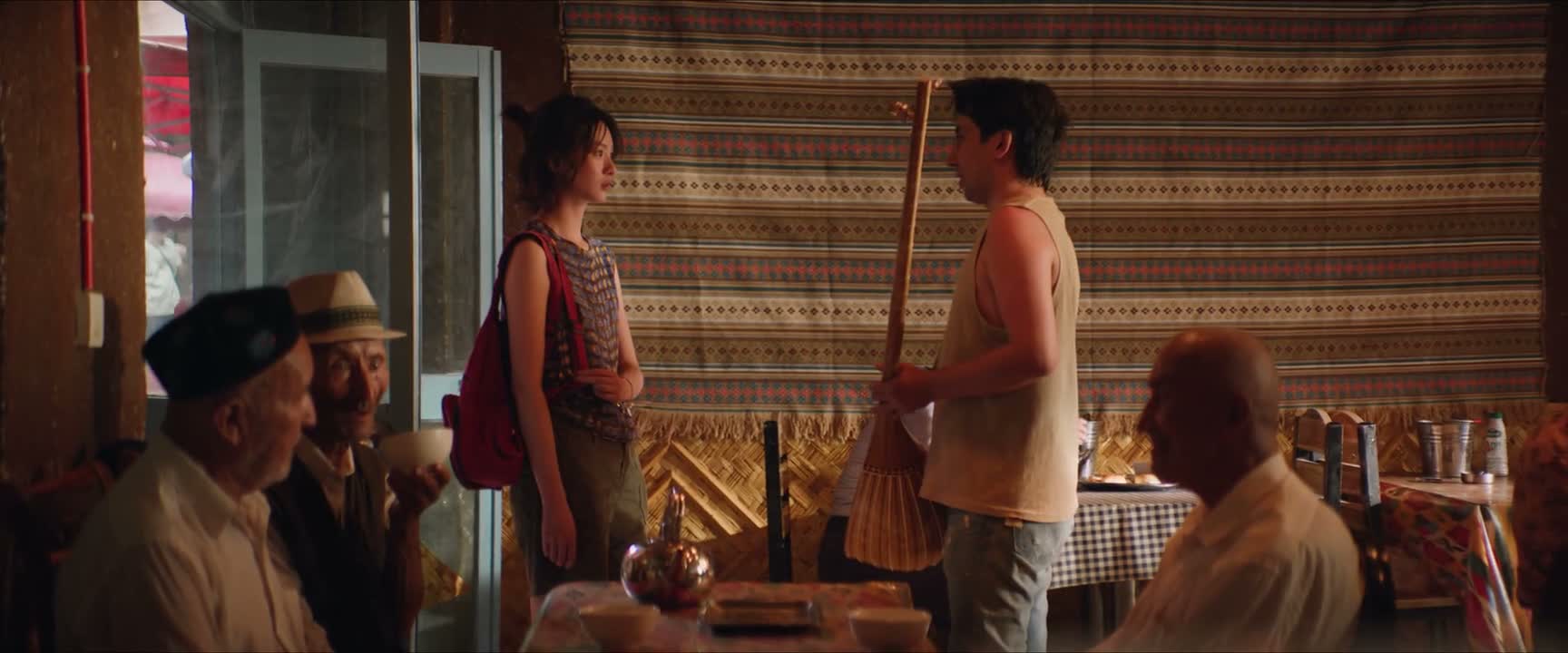
“When did you get back? Last night. Sit, sit. Come on.”
THE DIALOGUE REEL
光荣 黄主任
“Guangrong. Director Huang.”
啥时候回来的 昨天晚上回来的 坐坐坐 快
“When did you get back? Last night. Sit, sit. Come on.”
来得正好 尝尝我老家的茶 头茬的 鲜得很
“Perfect timing. Try some tea from my hometown. First pick of the season. So fresh.”
Direct spoken expression in this communicative setting.
Repeating verbs such as '坐坐坐' or '吃吃吃' is a foundational Chinese social ritual to demonstrate genuine warmth and remove hierarchical awkwardness.
LEARNING CHUNKS & PARTICLES
please take a seat; sit down
Triple repetition of a monosyllabic verb displays overwhelming hospitality and urgency to make the guest comfortable.
when; what time
A highly colloquial Northern spoken substitute for '什么时候'.
Used in the 'shi...de' construction to emphasize the timing of a past event ('昨天晚上回来的').
VOCABULARY & EXPRESSIONS
Parallel Spoken Cinema Scenes (语义近邻切片)

“When did you come back? I heard nothing.”

“Do you know when will he be back?”

“When are you coming back? You promised to make me a few proper dishes.”

“♪ The fireworks stand as our witnesses, as if ♪ When did you get back?”

“And I didn't know when you'd be home. Couldn't you just look it up online?”
“I don't know when he'll be back.”