坐坐坐
zuò zuò zuòCommon spoken expression used by native Chinese speakers in daily life.
[Scene: 职场工作]
(12 clips) 00:01
 00:03
(小王 快给李镇长他们沏茶啊 来来来 坐坐坐) ── Previous context
“Have a seat. Come on, have a seat. Come on. Sit.”
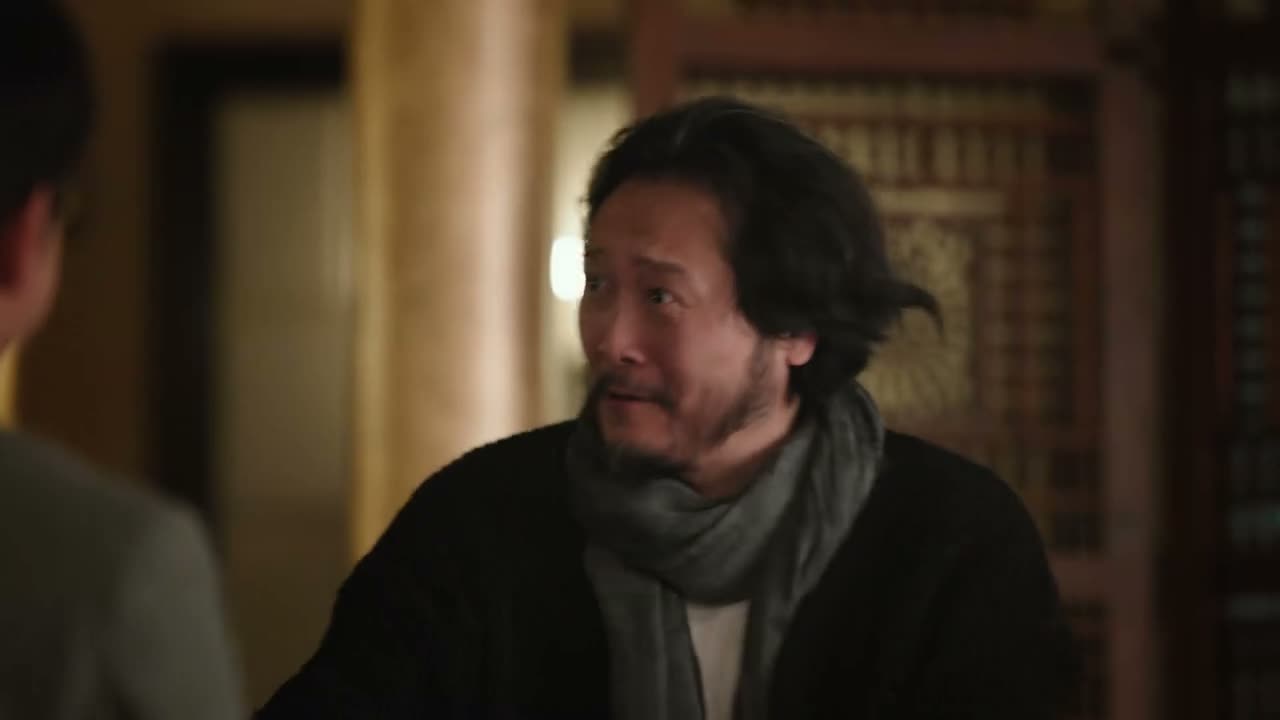 00:03
(我在别的地方开会 能理解 能理解) ── Previous context
“Sometimes my meetings last a whole day too. Come. Sit.”
 00:02
 00:03
(那 小 小杜 那既然你这么有经验) ── Previous context
“since you're so experienced, you handle this task. Sit down. It's fine. Reporter Du,”
 00:03
(你是不是有什么事啊 这怎么开个业 还唉声叹气的) ── Previous context
“Come on, just tell me. Take a seat.”
 00:03
(放心 咱裴总不是那种普通的总 坐坐坐) ── Previous context
“- Sit down. - Just sit. Introductions are in order.”
 00:03
 00:02
 00:02
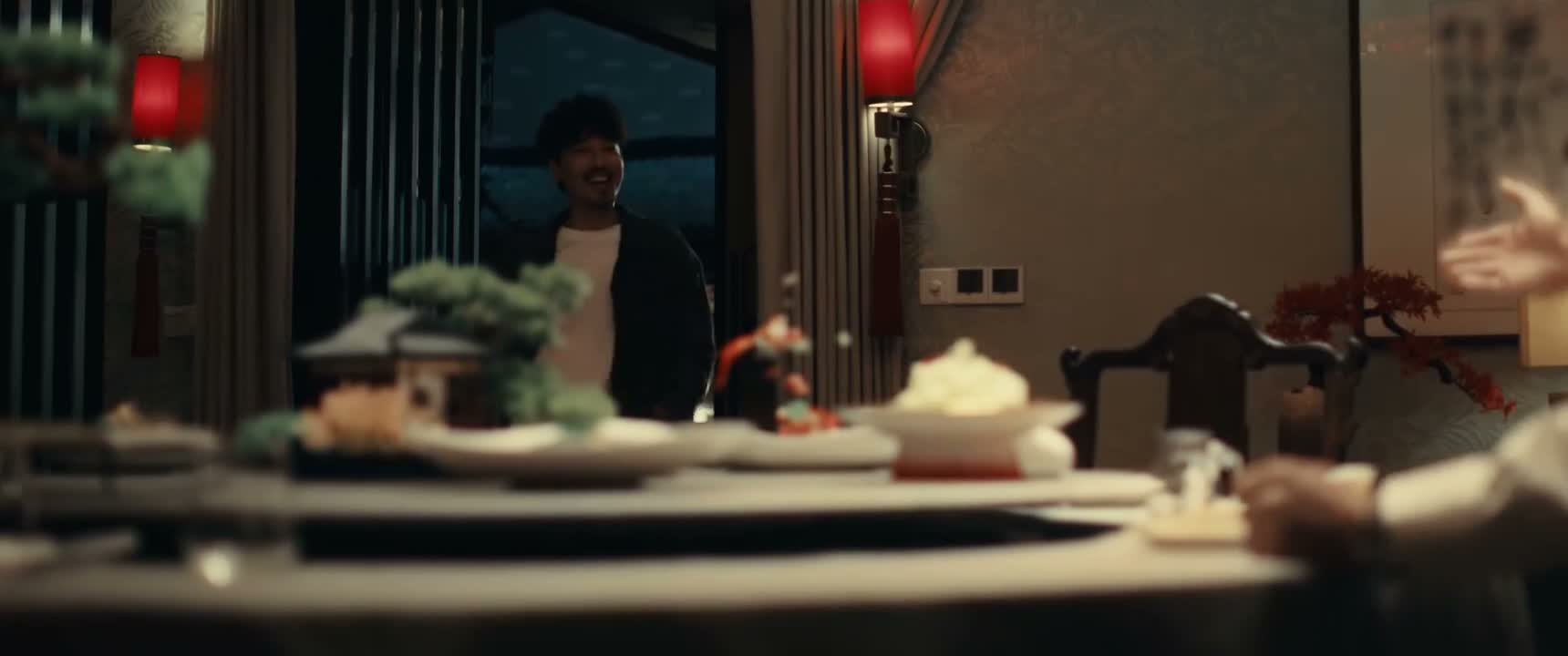 00:02
 00:03
(光荣 黄主任) ── Previous context
“When did you get back? Last night. Sit, sit. Come on.”
[Scene: 餐饮美食]
(9 clips)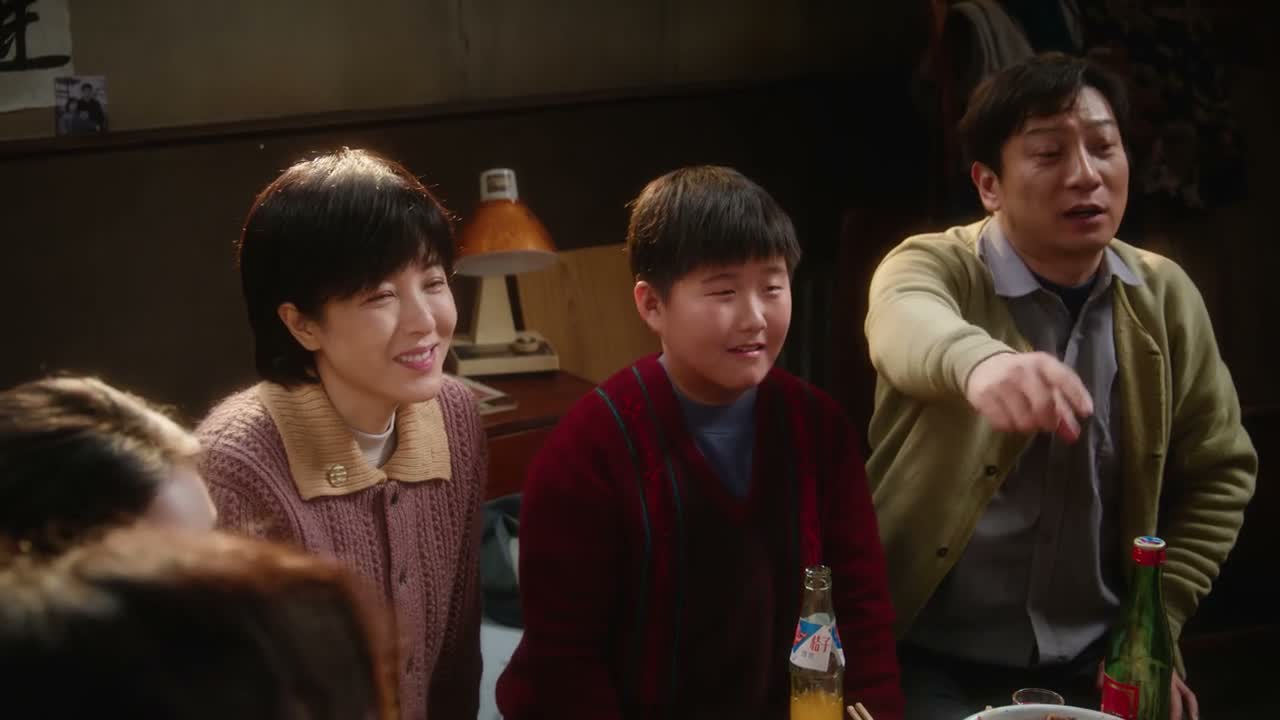 00:02
 00:03
 00:03
 00:02
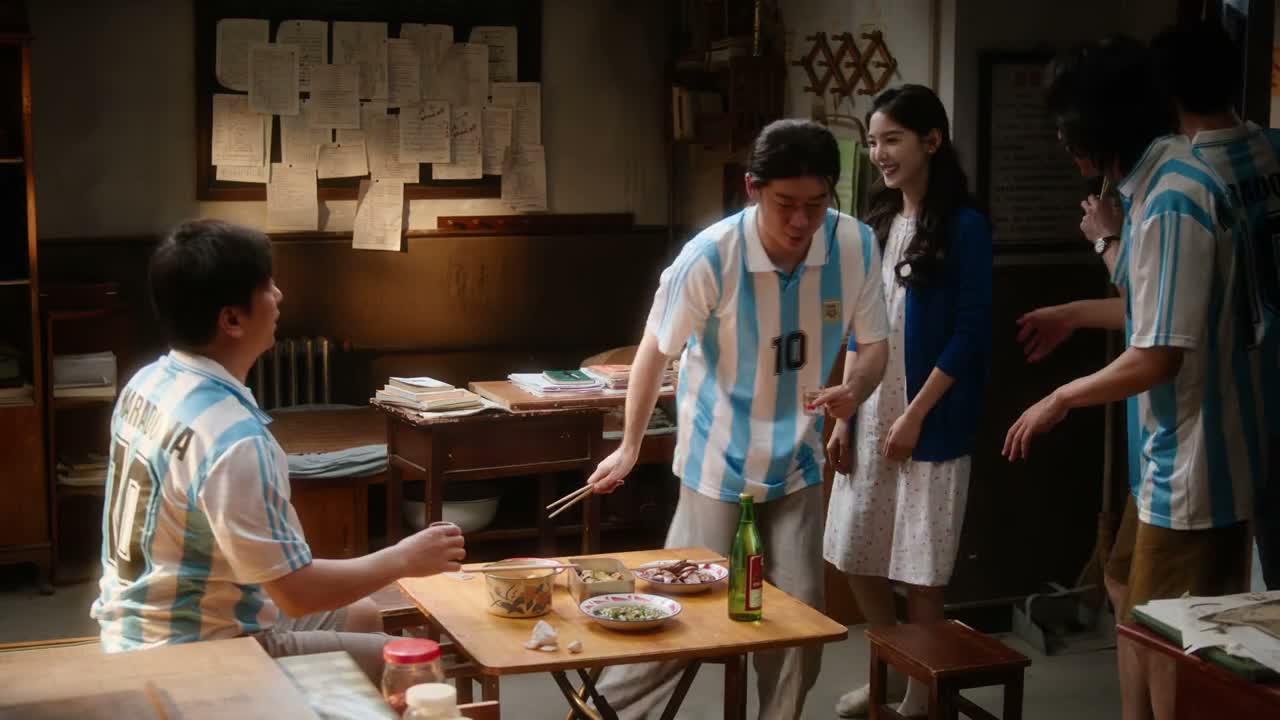 00:03
 00:02
 00:02
(这边 这边请 这边请 都可以坐) ── Previous context
“Welcome. Welcome. This way, please. Come on, sit.”
 00:03
(不是不是 不是女朋友) ── Previous context
“- Sit. - Eat up. Holler if you need me. Got it.”
 00:02
[Scene: 社交聚会]
(5 clips) 00:02
 00:03
 00:03
(哥 快快快 大生日的 快 坐坐坐) ── Previous context
“Make way for my brother. Have fun. Sit down.”
 00:02
(我听说你也特别喜欢 来我们剧本杀玩) ── Previous context
“Don't just stand there. Have a seat. Yes, have a seat.”
 00:02
[Scene: 其他场景]
(4 clips) 00:03
 00:03
 00:02
 00:02
[Scene: 家庭日常]
(4 clips) 00:03
 00:02
 00:03
(都给他们留着呢) ── Previous context
“Be seated. I'll get you some freshly marinated peanuts.”
 00:02
(一点都没有变 哪有 还是我们兰儿漂亮) ── Previous context
“Come on, sit. Why have you gotten so thin, child? ♪ All the love I've given can't be measured ♪ No, I haven't. Sit.”
[Scene: 历史宫廷]
(1 clips) 00:02
📌 你说你
→Nuance: 安抚对方并促其表达
📌 随便坐
→Nuance: 热情招呼入座的常用委婉变体
📌 随便坐
→Nuance: 核心交际意图完全一致,均招呼就坐
📌 没事
→Nuance: 安抚并鼓励直说,意图高度一致
📌 来来来
→Nuance: 用'请坐'表达更客气礼貌
📌 来来来
→Nuance: 核心交际意图完全一致可互换
📌 小心
→Nuance: 同为热情招呼客人坐下
📌 阿姨好
→Nuance: 对象与场景不同但同为热情迎客入座