来 坐坐坐 来来来 坐下来 坐下来
“Have a seat. Come and sit.”
THE DIALOGUE REEL
漂亮吧 两个人般配 赶紧的 来 坐下来 坐下来
“They do, right? They make a great couple. Hurry up. Sit down.”
来 坐坐坐 来来来 坐下 来 坐下 来
“Have a seat. Come and sit.”
你车呢
“Where's your car?”
Direct spoken expression in this communicative setting.
Chinese hosts frequently repeat action verbs like 'sit' or 'eat' to make guests feel at ease and eliminate polite hesitation.
LEARNING CHUNKS & PARTICLES
sit down, please take a seat
Triple repetition of the verb conveys urgent hospitality and friendliness.
sit down
Standard directional complement used in everyday spoken contexts to prompt someone to settle down.
VOCABULARY & EXPRESSIONS
Parallel Spoken Cinema Scenes (语义近邻切片)

“Come. Sit and watch. Come. Sit.”

“Have a seat. Come on, have a seat. Come on. Sit.”
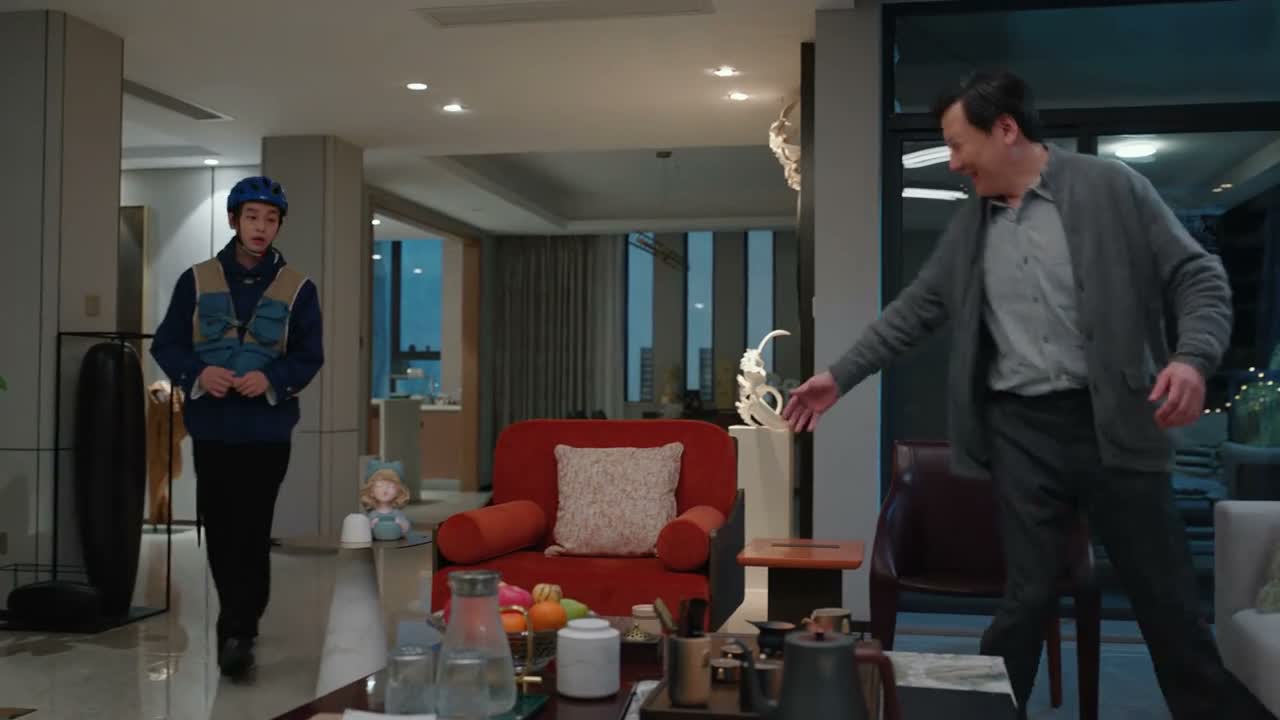
“Come on. Have a seat.”

“Officers, have a seat.”

“-Sit, sit. -Come on, man.”

“Make way for my brother. Have fun. Sit down.”
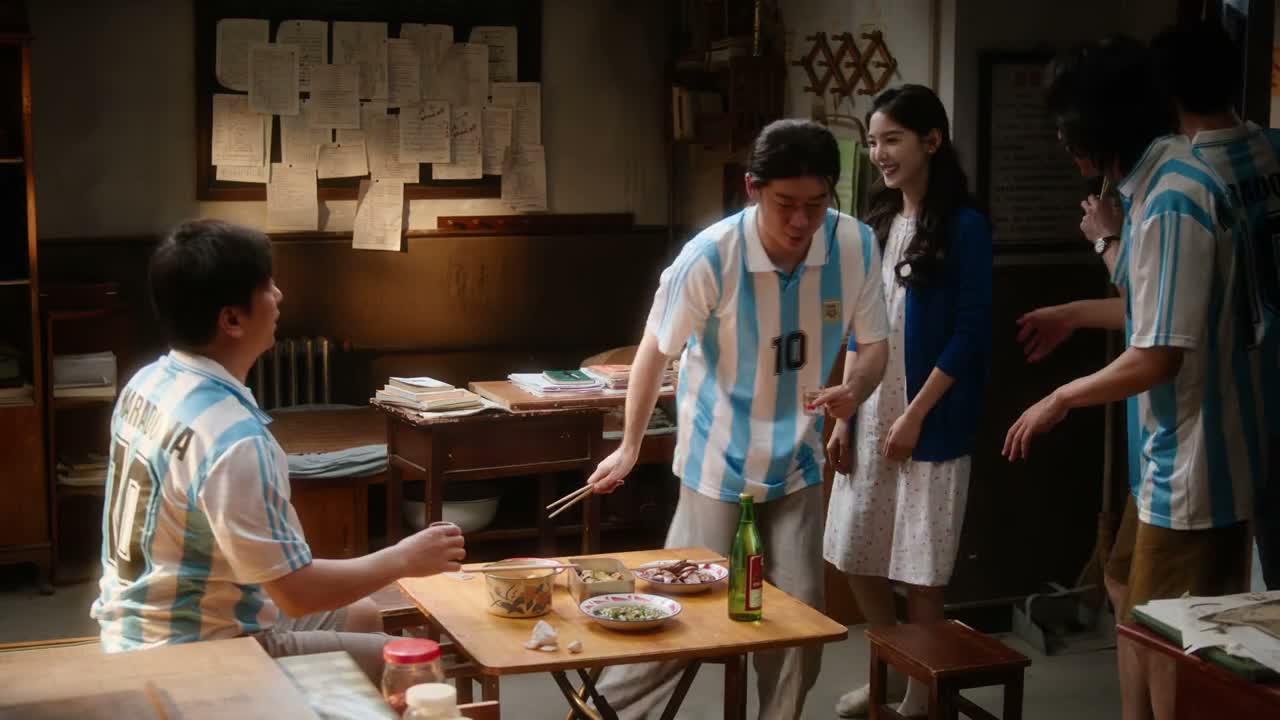
“-Come on. Have a seat. -Sit, sit.”

“Okay, everyone sit down. Come on. Let's start eating. Start eating.”
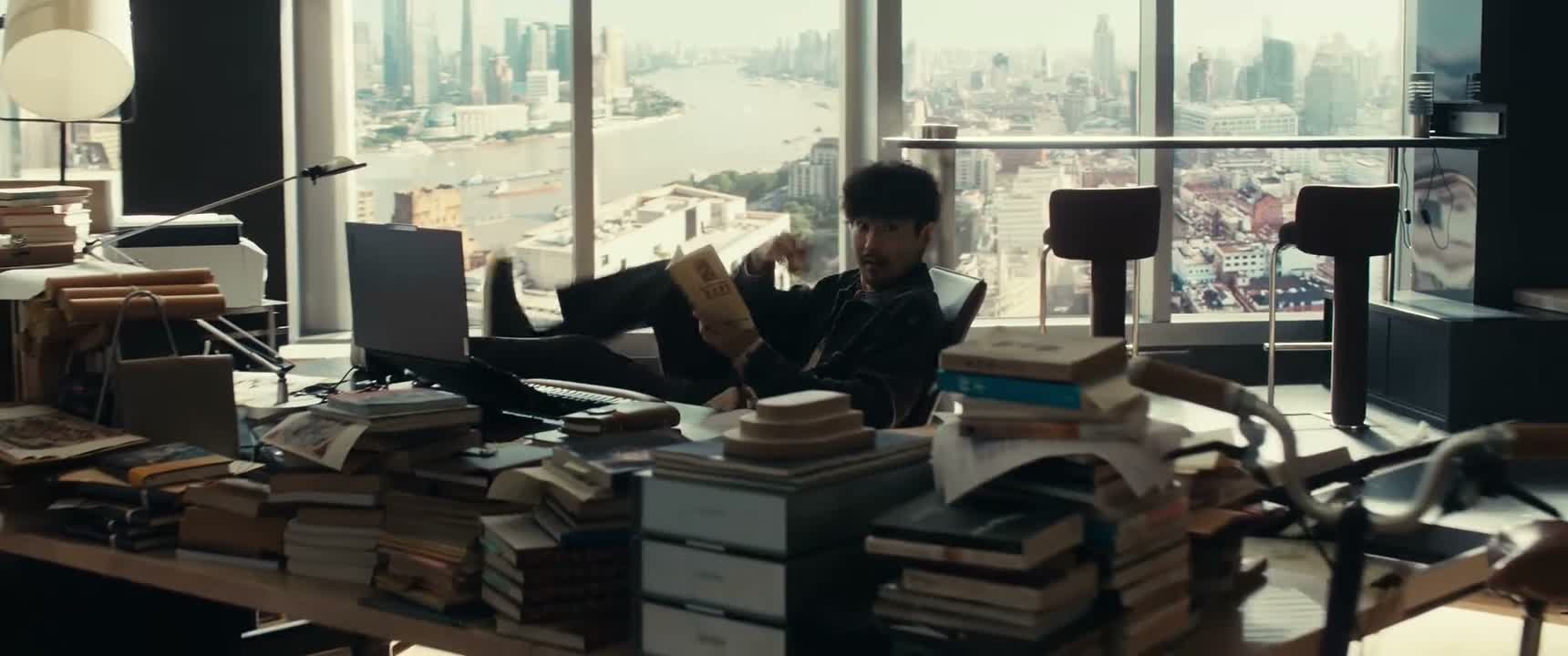
“You're here. Come. Sit.”

“Miss Fan. Come on. Come on. Come sit, and let's talk.”

“Thank you. Everyone, have a seat.”

“Come on, sit with us. Zhiyu, sit here, come on.”

“Have a seat. Scoot in a little.”
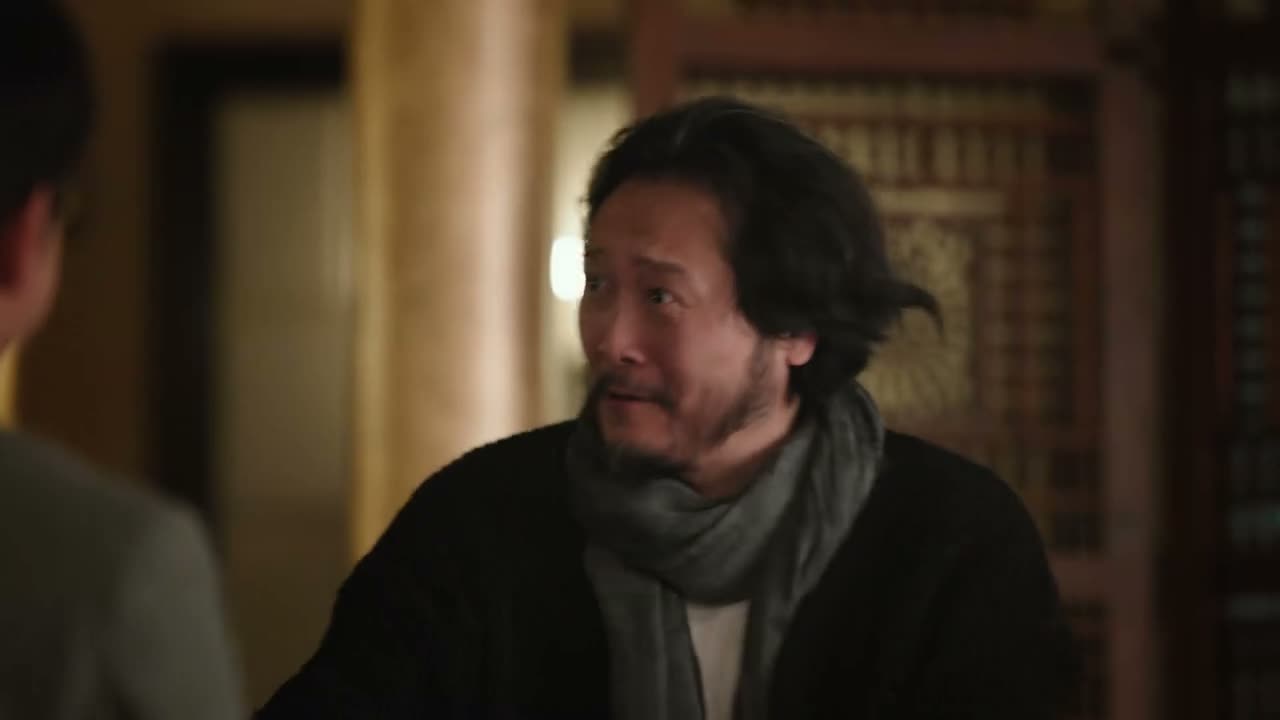
“Sometimes my meetings last a whole day too. Come. Sit.”

“A pro? Let's chat. Come on, have a seat.”