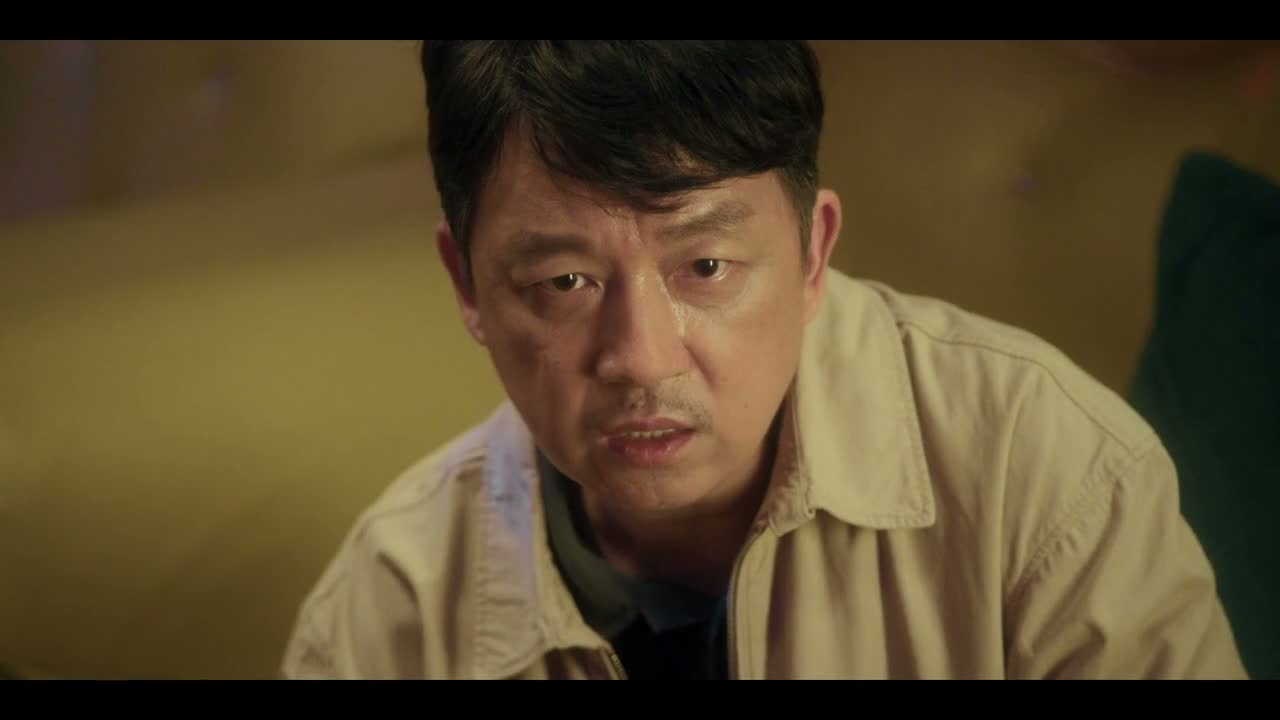
你当初怎么不说 要守住底线 现在知道擦了
“Why didn't you say you had to keep your bottom line back then? Now you know to wipe it.”
THE DIALOGUE REEL
“Now you know the bottom line. Now you know you have to keep it. What were you thinking back then?”
你当初 怎么不 说 要 守住底线 现在 知道 擦了
“Why didn't you say you had to keep your bottom line back then? Now you know to wipe it.”
“Can you wipe it clean? Can you wipe your conscience clean?”
“Don't act righteous now; you had no integrity back then, and trying to cover it up now is pathetic.”
Dīxiàn represents the non-negotiable threshold of basic morality, law, or personal integrity in contemporary Chinese discourse.
LEARNING CHUNKS & PARTICLES
to hold the bottom line; to adhere to moral or professional principles
A very common formal and colloquial phrase referring to uncompromising ethical boundaries.
at the beginning; originally; back then
Frequently used to express regret or to reproach someone for their past decisions.
Signals a newly emerged attitude or realization, carrying a sharp sarcastic nuance here.
VOCABULARY & EXPRESSIONS
Parallel Spoken Cinema Scenes (语义近邻切片)

“Now you know the bottom line. Now you know you have to keep it. What were you thinking back then?”
“Why didn't you tell us back then?”

“I made myself very clear to you last time. Don't cross my line.”