对不起 不应该说这个
“Sorry. I shouldn't have brought it up.”
THE DIALOGUE REEL
当年如果 你没有答应他们去南洋
“What if you had refused to go to Nanyang with others years ago?”
对不起 不应该说这个
“Sorry. I shouldn't have brought it up.”
没什么不能提的
“It's fine. That's not a taboo.”
Direct spoken expression in this communicative setting.
Chinese interpersonal communication strongly values emotional tact; bringing up historical regrets often requires an immediate, polite retreat to preserve harmony.
LEARNING CHUNKS & PARTICLES
should not have
Used to express regret or acknowledge a faux pas after saying or doing something inappropriate.
bring this up / talk about this
Refers generically to an awkward or taboo topic just mentioned.
VOCABULARY & EXPRESSIONS
Parallel Spoken Cinema Scenes (语义近邻切片)
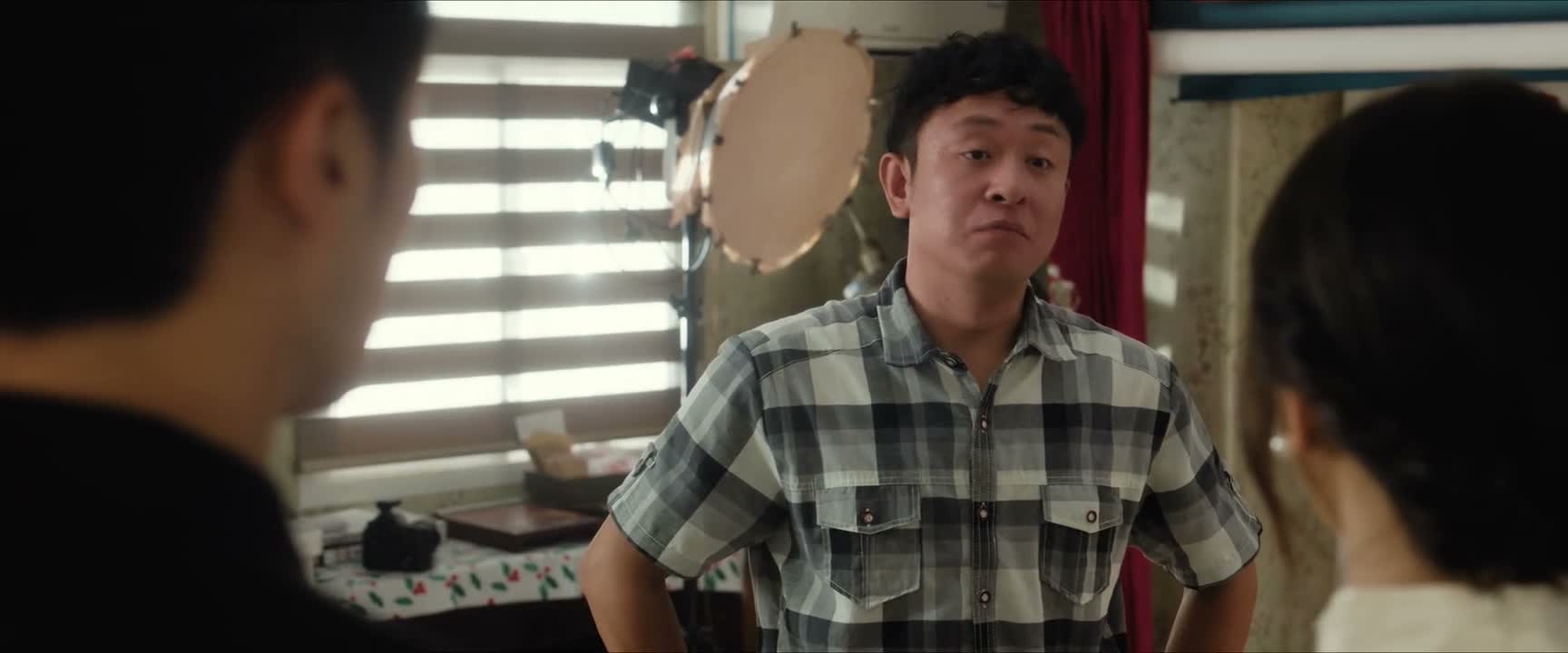
“No can do. I'm sorry. Please, Boss.”

“or perhaps from the very beginning, I never should have... Your Highness, I'm sorry.”