不可以 不好意思啊 拜托您了老板
“No can do. I'm sorry. Please, Boss.”
THE DIALOGUE REEL
不可以 不好意思啊 拜托您了 老板
“No can do. I'm sorry. Please, Boss.”
“They were my closest family in this world.”
“Please don't force me to sell this, it means too much to me.”
When rejecting someone in Chinese commercial or social interactions, layering apologies and deferential honorifics ('您', '老板') prevents loss of face and diffuses conflict.
LEARNING CHUNKS & PARTICLES
excuse me / I am sorry
A versatile polite phrase used to cushion a refusal or apologize for causing inconvenience.
please I beg you / I rely on you
An earnest and humble plea used when asking for a major favor or mercy from someone in authority or holding leverage.
Softens the apology and conveys emotional vulnerability and sincerity.
Marks the completion of the verbal formula of pleading in '拜托您了', conveying earnest entreaty.
VOCABULARY & EXPRESSIONS
Parallel Spoken Cinema Scenes (语义近邻切片)
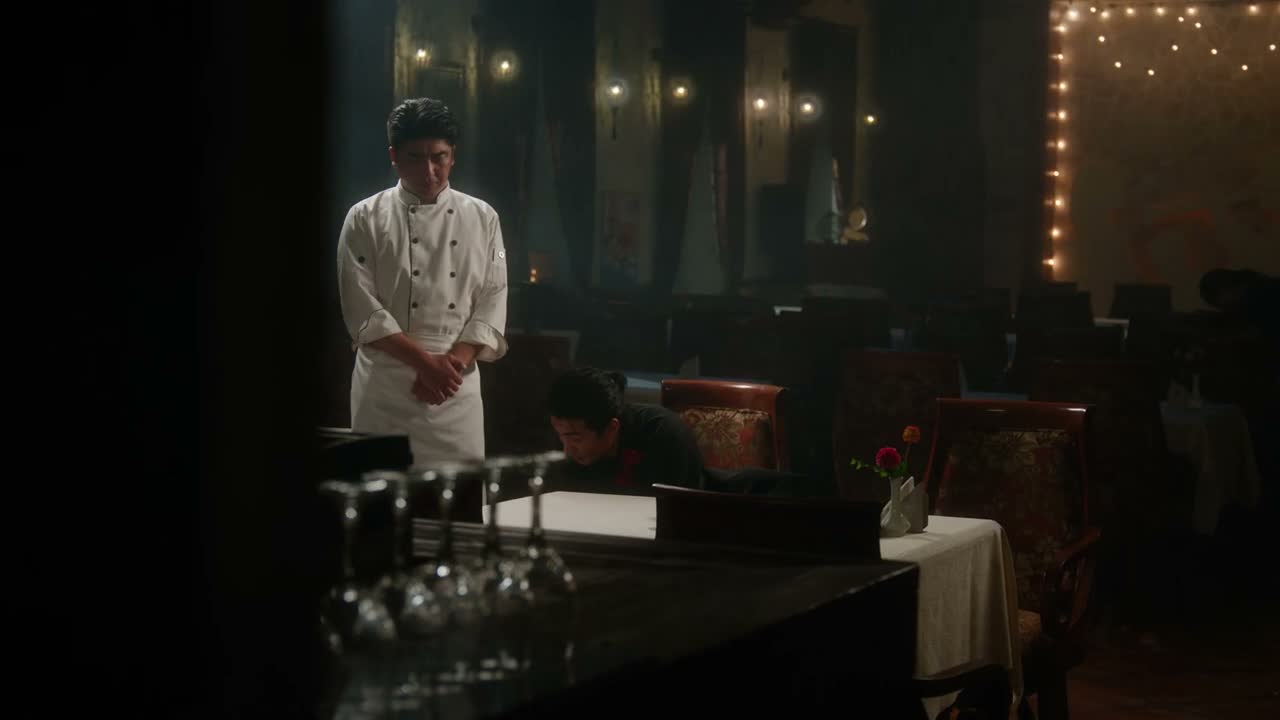
“Sir, I'm sorry.”

“Sorry. I shouldn't have brought it up.”
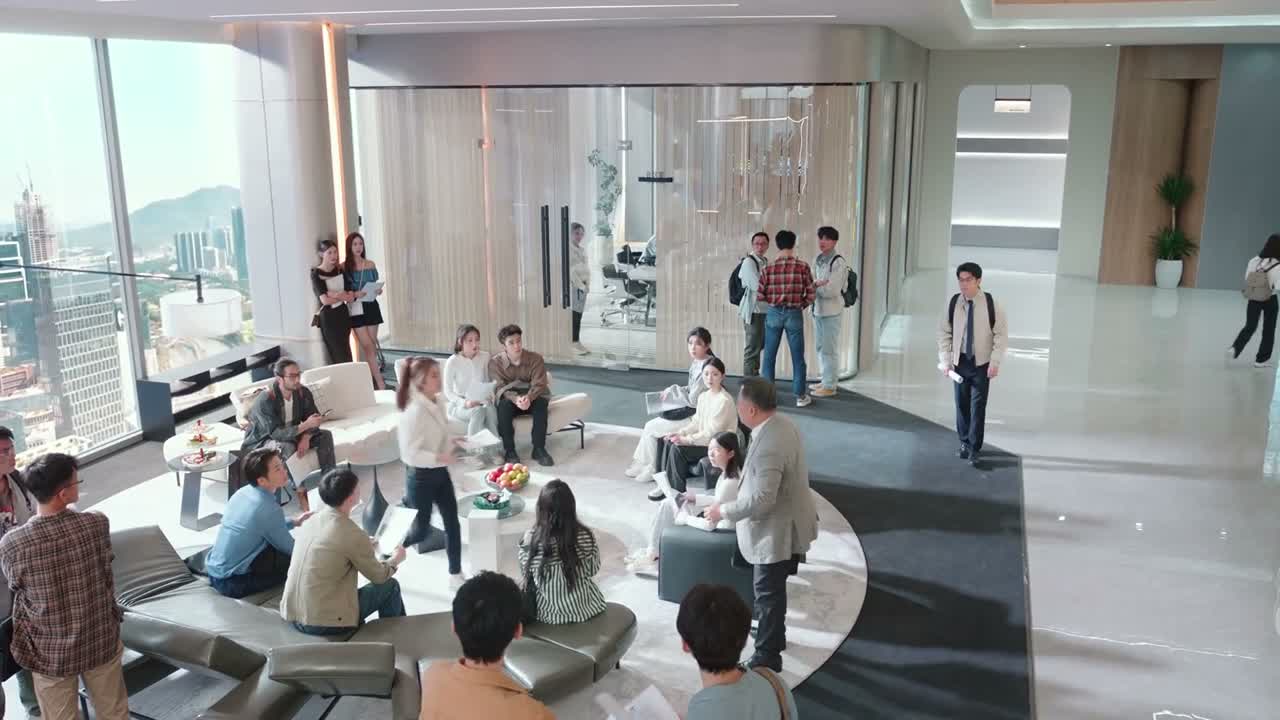
“Sorry, Mr. Niu. You didn't pass the interview screening,”

“Morning. Sorry, we're not open yet.”

“Sorry, sir. Sorry. Sorry.”

“I-I'm sorry. I didn't know you were here.”

“I'm sorry, Ms. Yu. If I said anything offensive,”
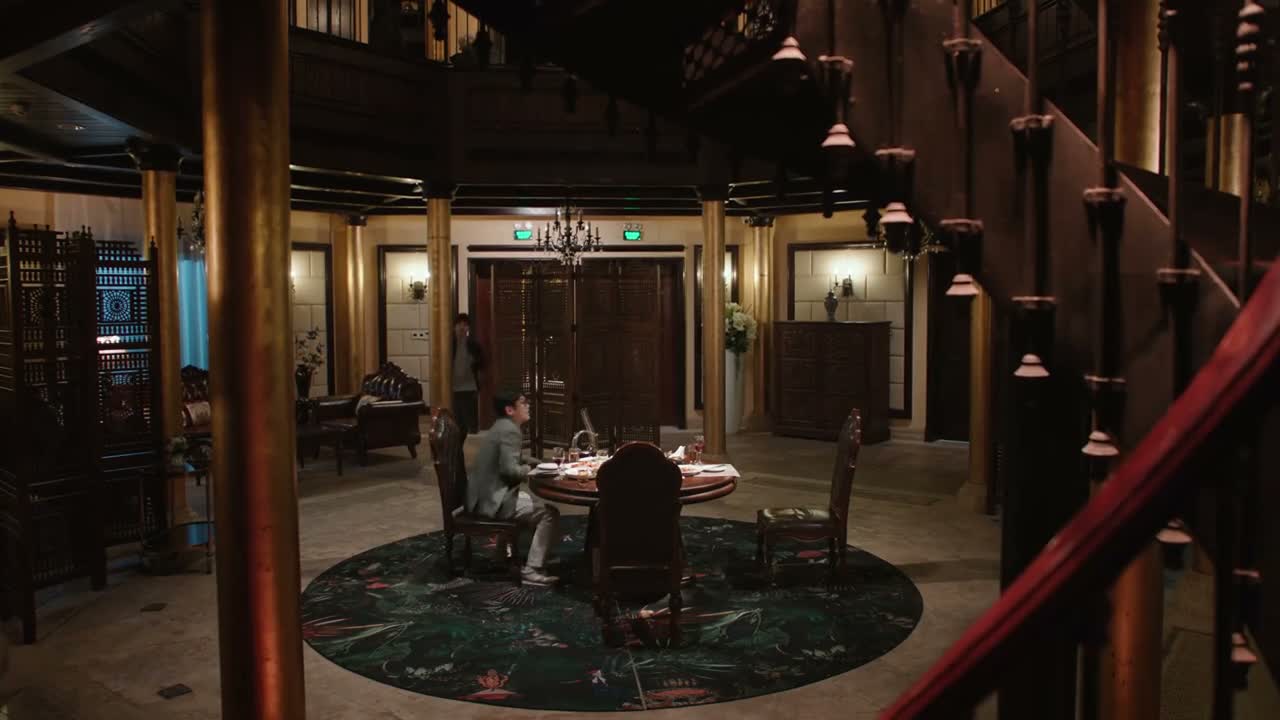
“He's here. I'm so sorry.”
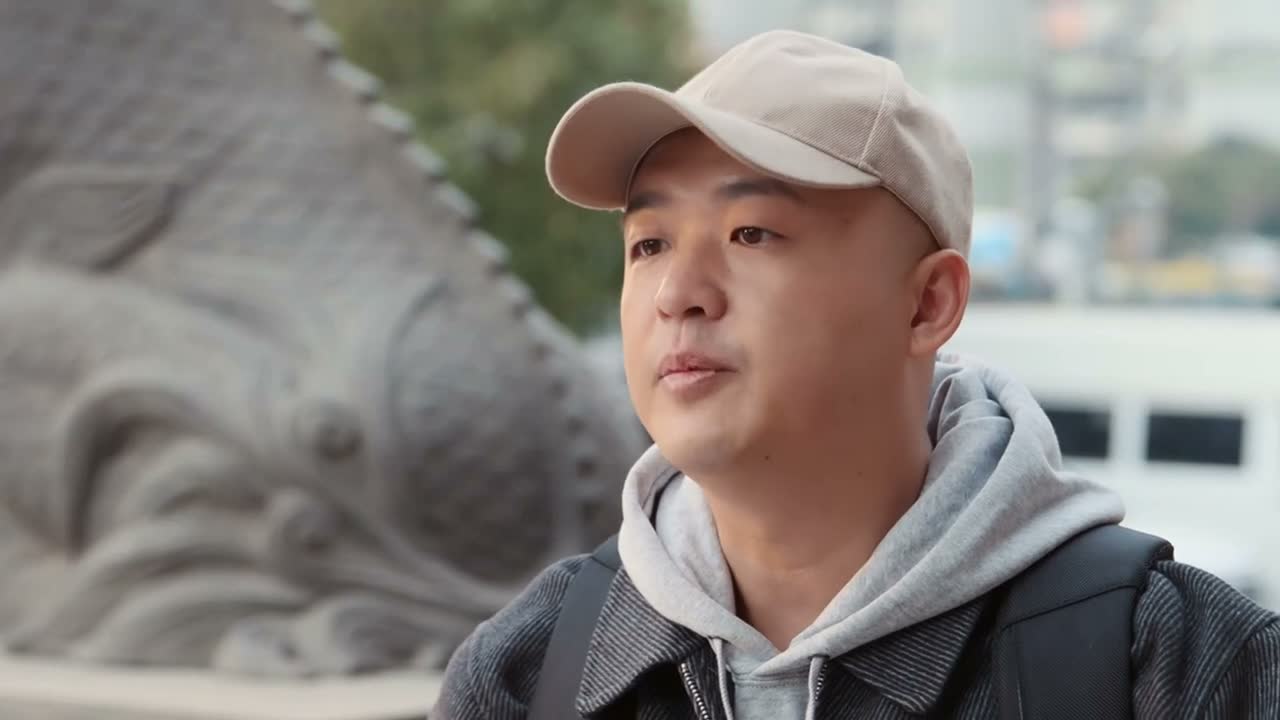
“Right. Sorry, slipped up there.”

“You... -I'm sorry. -It's OK.”
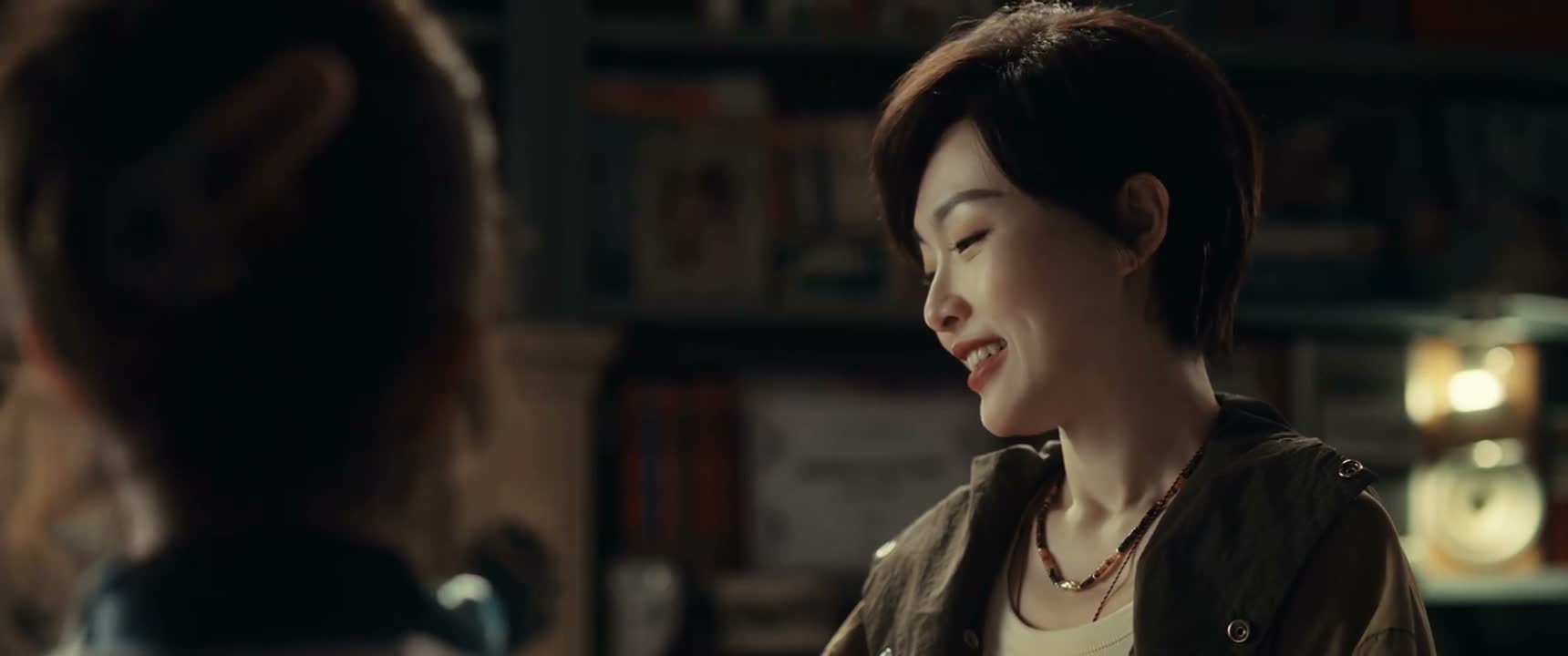
“Don't feel awkward, Ms. Lin.”

“It's nothing. Sorry.”

“Mr. Chen, I'm sorry. This batch of goods might be delayed.”
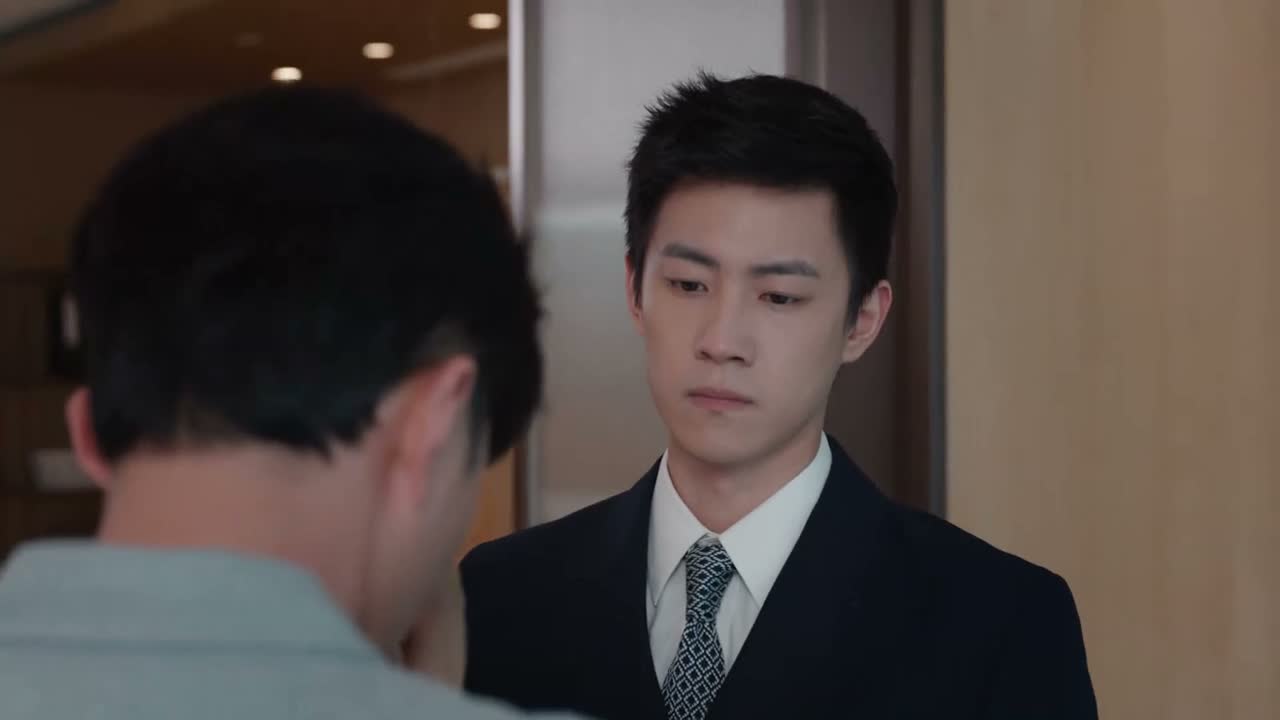
“Sorry. Don't worry, I will...”
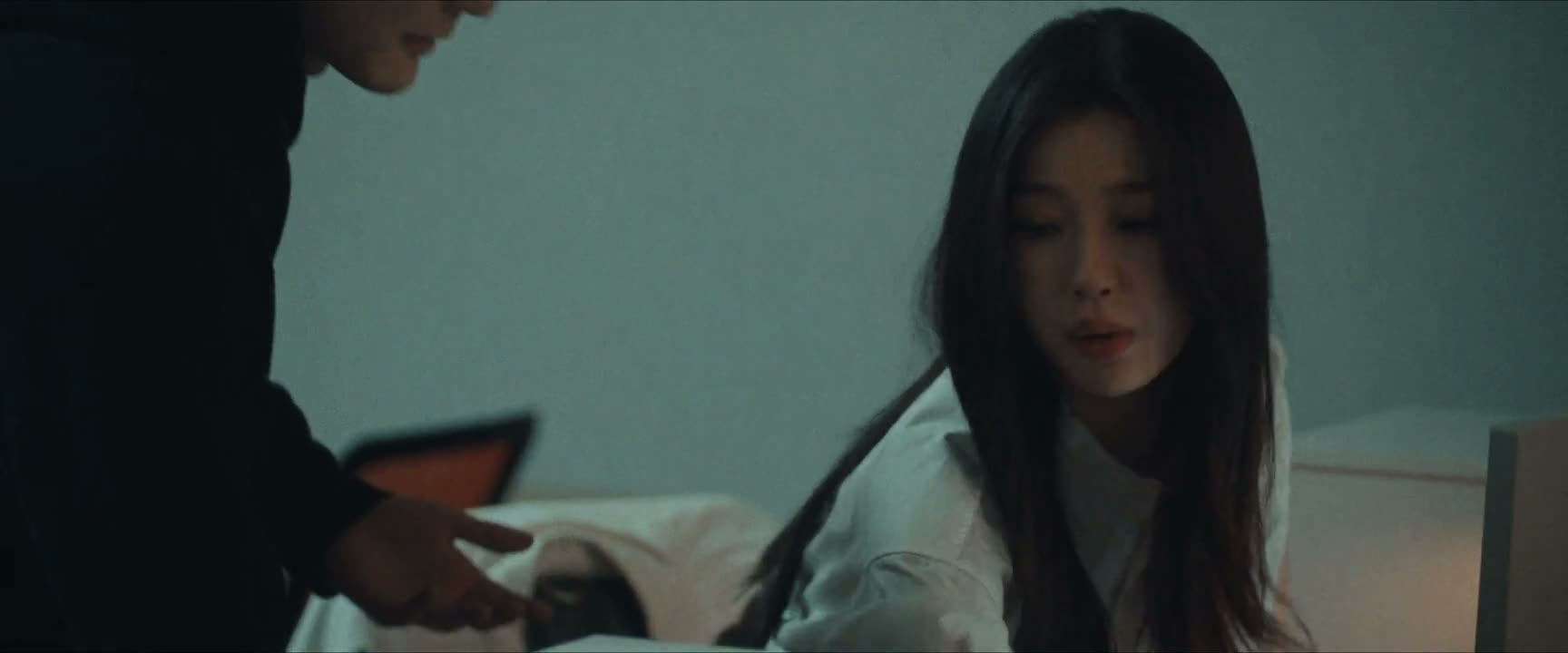
“Sorry. It's fine. No worries.”
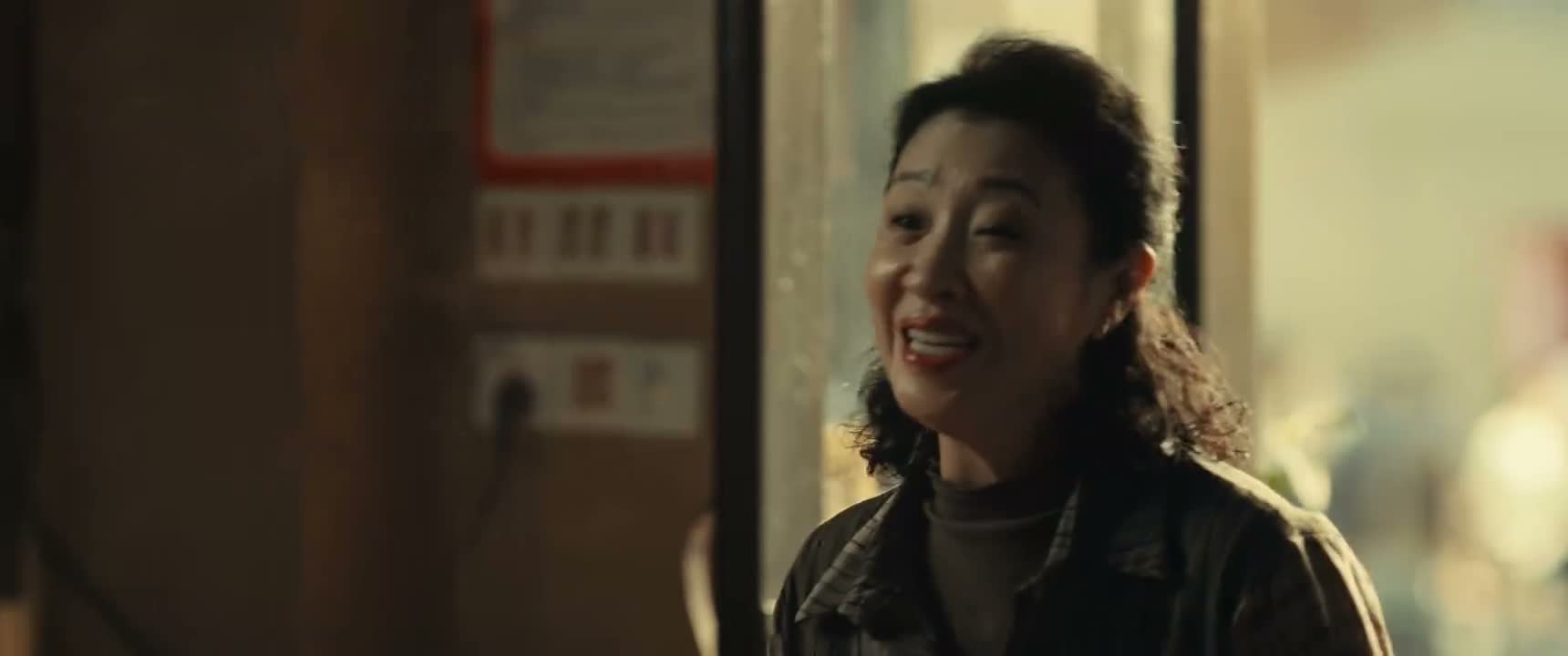
“- take care of them. - Sorry about that. They needed one more player, so I filled in for a few rounds. That turned into this long.”
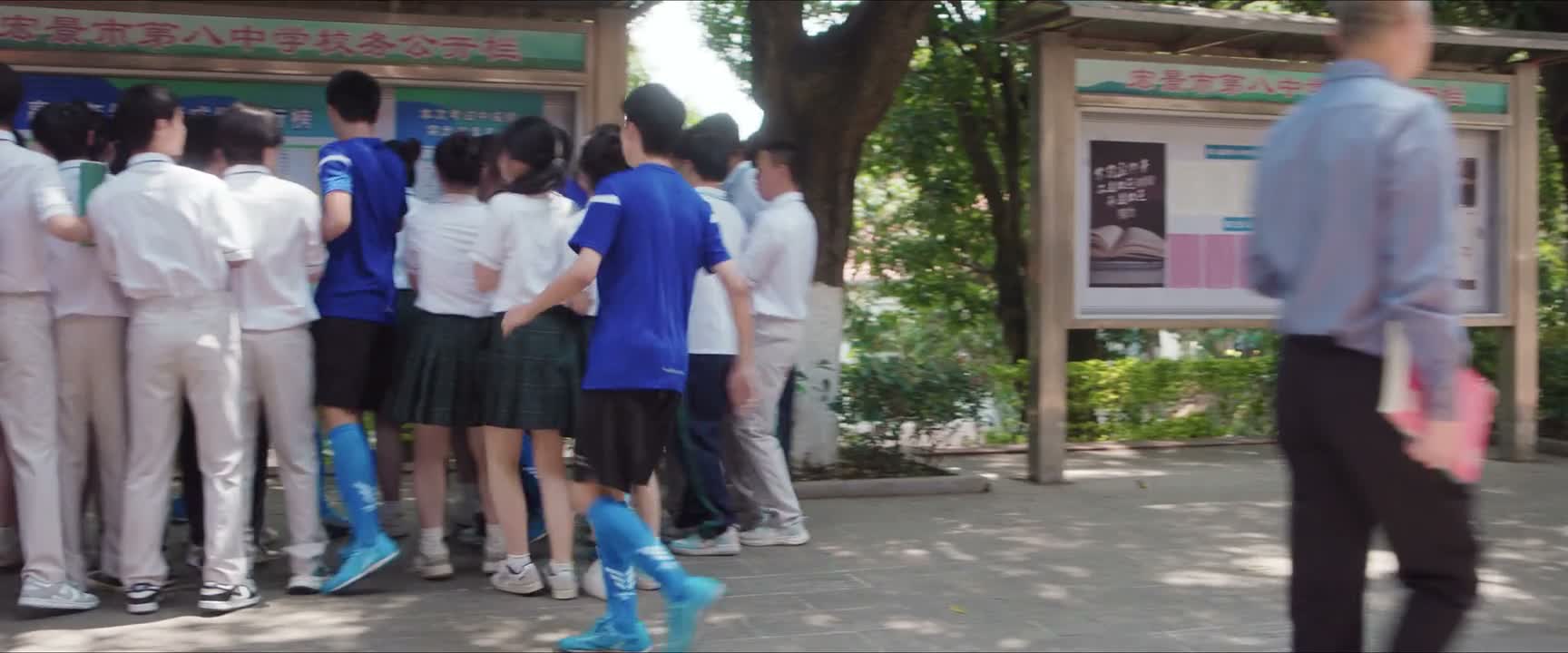
“-Thanks. Sorry. -Sorry. Excuse me. Let me through.”