不好意思 不好意思 你放心 我会
“Sorry. Don't worry, I will...”
THE DIALOGUE REEL
不好意思 不好意思 你放心 我会
“Sorry. Don't worry, I will...”
我我 我会解释清楚的 现在解释恐怕已经来不及了
“I... I'll explain everything clearly. I'm afraid it's already too late.”
“Please do not get angry yet, let me figure out how to fix this mess.”
Repeating apologies in quick succession signals immediate deference and lowers tension when an error has occurred.
LEARNING CHUNKS & PARTICLES
excuse me / I am sorry
Widely used to express polite apology or embarrassment in everyday spoken Chinese.
don't worry / rest assured
Used to comfort someone by promising that a matter will be handled properly.
VOCABULARY & EXPRESSIONS
Parallel Spoken Cinema Scenes (语义近邻切片)

“Sorry, sir. Sorry. Sorry.”

“I-I'm sorry. I didn't know you were here.”

“Hello, excuse me. My friend wants to ask for your...”

“So... sorry about that.”

“I'm sorry, Ms. Yu. If I said anything offensive,”

“He's here. I'm so sorry.”

“Excuse me. Excuse me. Excuse me, excuse me.”
“Right. Sorry, slipped up there.”

“You... -I'm sorry. -It's OK.”

“Sorry for that. Sorry. You bought so many things. This is great.”
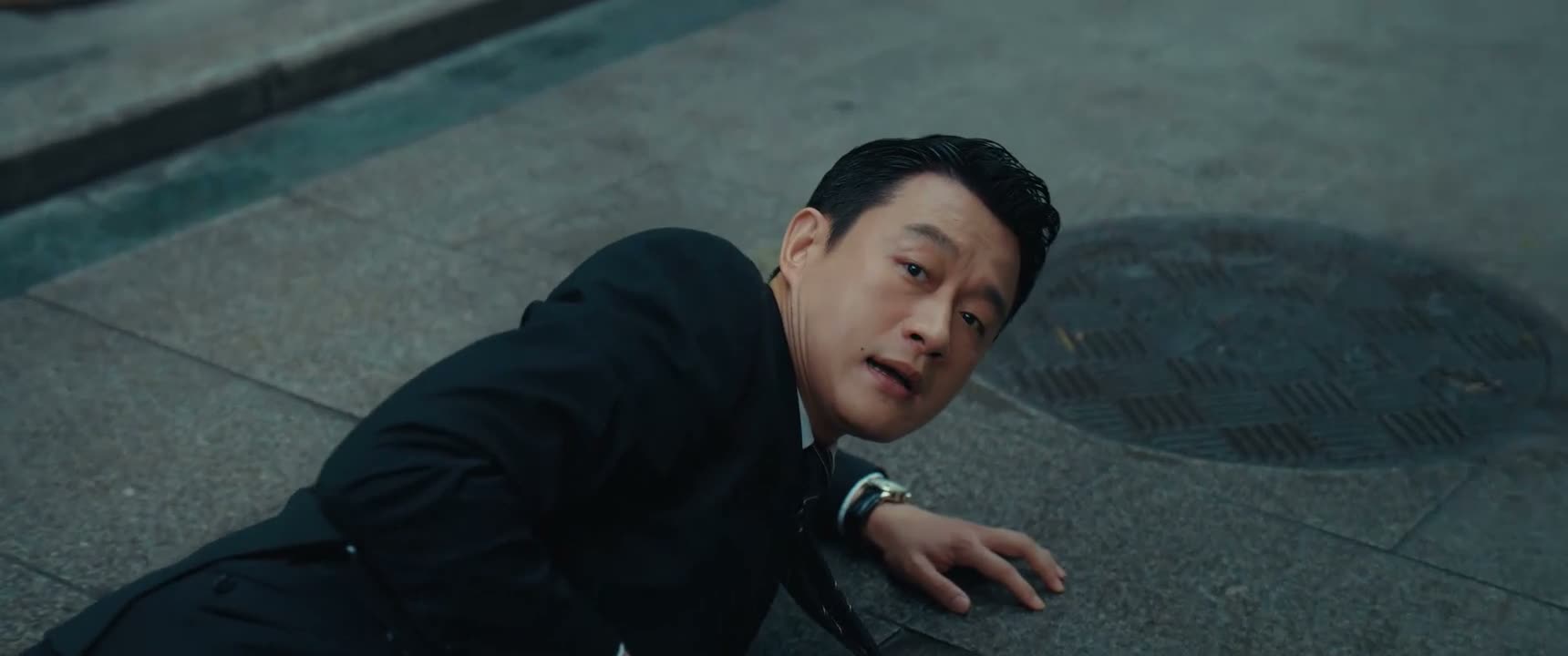
“I'm sorry. The brakes failed.”

“You can see, um... Excuse me. Excuse me, everyone.”

“I feel embarrassed. It's fine. I'm happy to help.”

“My apologies, I'm so sorry. I'll move it now. Hurry up and go.”

“It's nothing. Sorry.”

“Excuse us. Excuse us. Our car broke down. We might need”

“I really don't know, sorry. Sorry.”

“if he or she isn't mentally unhealthy.”
“It's okay. -I'm sorry. I really am. -It's okay.”
“No can do. I'm sorry. Please, Boss.”

“- Yeah, sorry. - You're fine. Take your time.”
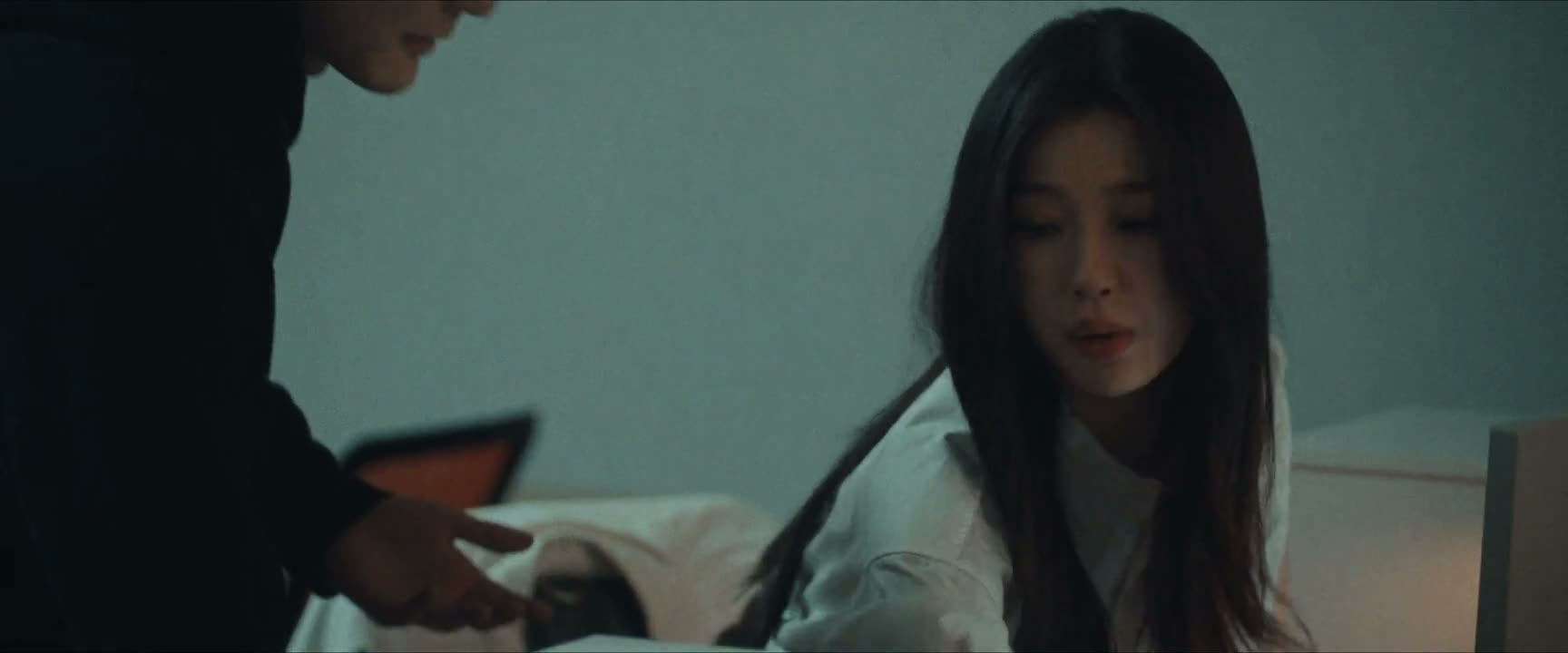
“Sorry. It's fine. No worries.”

“Sorry. I'm so sorry. Get out.”

“I'm sorry. I didn't hear anything just now.”
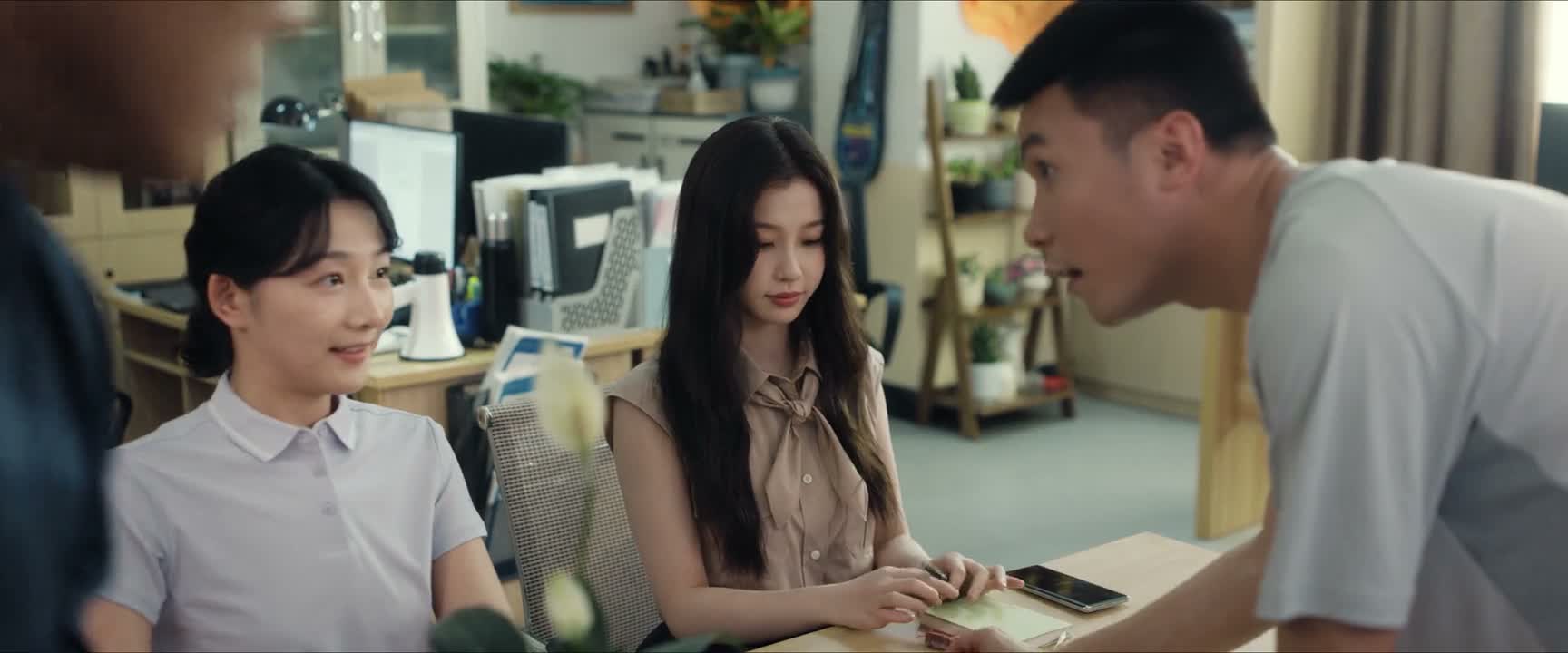
“-And this. -Sorry. Sorry. I'm sorry.”