不好意思 不好意思 我们车坏了 一会儿可能得
“Excuse us. Excuse us. Our car broke down. We might need”
THE DIALOGUE REEL
各位乡亲们
“Everyone.”
不好意思 不好意思 我们 车坏了 一会儿 可能得
“Excuse us. Excuse us. Our car broke down. We might need”
麻烦乡亲们 大家帮忙推下车 晓兰 晓兰
“to trouble you all to help push the car. Xiaolan. Xiaolan.”
“We are terribly sorry to bother you all, but we are stranded and really need your physical help.”
In Chinese communicative culture, repeatedly saying '不好意思' before stating a request acknowledges the burden being placed on others, thereby preserving face and fostering goodwill.
LEARNING CHUNKS & PARTICLES
excuse me / sorry
The most versatile conversational apology in modern Chinese, used to mitigate awkwardness or introduce an imposition.
the car broke down
A high-frequency practical expression indicating mechanical failure of a vehicle.
might have to / probably need to
A colloquial hedging structure used to soften the necessity of an action or request.
Indicates a newly emerged situation or state change regarding the car breaking down.
VOCABULARY & EXPRESSIONS
Parallel Spoken Cinema Scenes (语义近邻切片)

“I'm truly sorry. We did everything we could.”

“You... -I'm sorry. -It's OK.”

“I'm sorry. The brakes failed.”

“My apologies, I'm so sorry. I'll move it now. Hurry up and go.”

“It's nothing. Sorry.”

“Sorry. Don't worry, I will...”
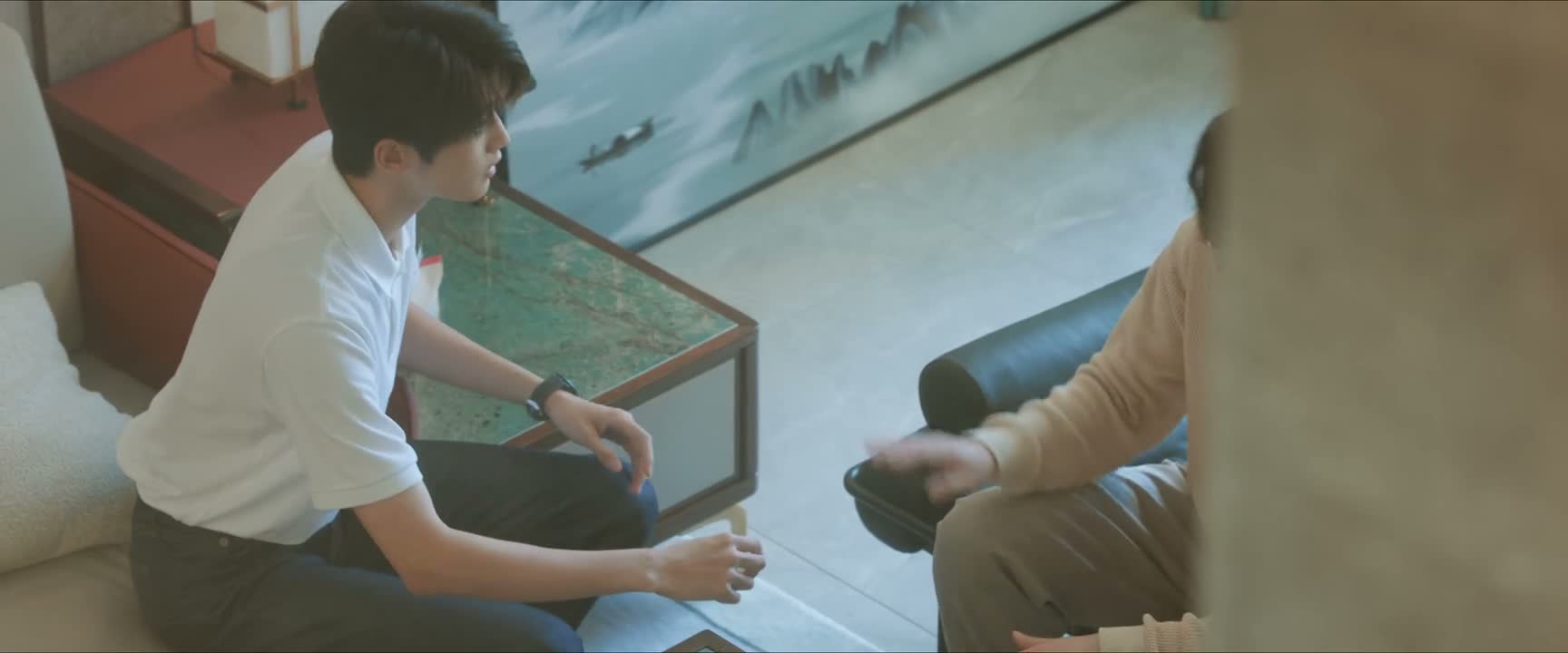
“It's okay. -I'm sorry. I really am. -It's okay.”

“Sorry. It's fine. No worries.”

“We've called a taxi for you. Sorry for the wait. We don't mind.”

“I turned it in late this time. Sorry.”