是 不好意思 说漏嘴了
“Right. Sorry, slipped up there.”
THE DIALOGUE REEL
这和朝中有没有人没什么关系
“This has nothing to do with pulling strings.”
是 不好意思 说漏嘴了
“Right. Sorry, slipped up there.”
要不说你这人 就是好
“But you really are the best.”
“Oops, I said the quiet part out loud; let us just pretend I did not say that.”
Explicitly referencing someone's patrons or internal connections ('朝中有人') is socially sensitive, requiring immediate self-correction to preserve harmony.
LEARNING CHUNKS & PARTICLES
excuse me / sorry
A very common, mild apology or polite interjection used in everyday and professional settings.
to let slip / to make a slip of the tongue
Used when accidentally revealing a secret, taboo topic, or something tactless.
Marks the change of state or completion of the accidental act of speaking.
VOCABULARY & EXPRESSIONS
Parallel Spoken Cinema Scenes (语义近邻切片)

“Sorry, sir. Sorry. Sorry.”

“I-I'm sorry. I didn't know you were here.”

“Well, sorry about this. I'll have her sort this out later.”

“I'm too embarrassed to ask. How can I ask that?”

“So... sorry about that.”
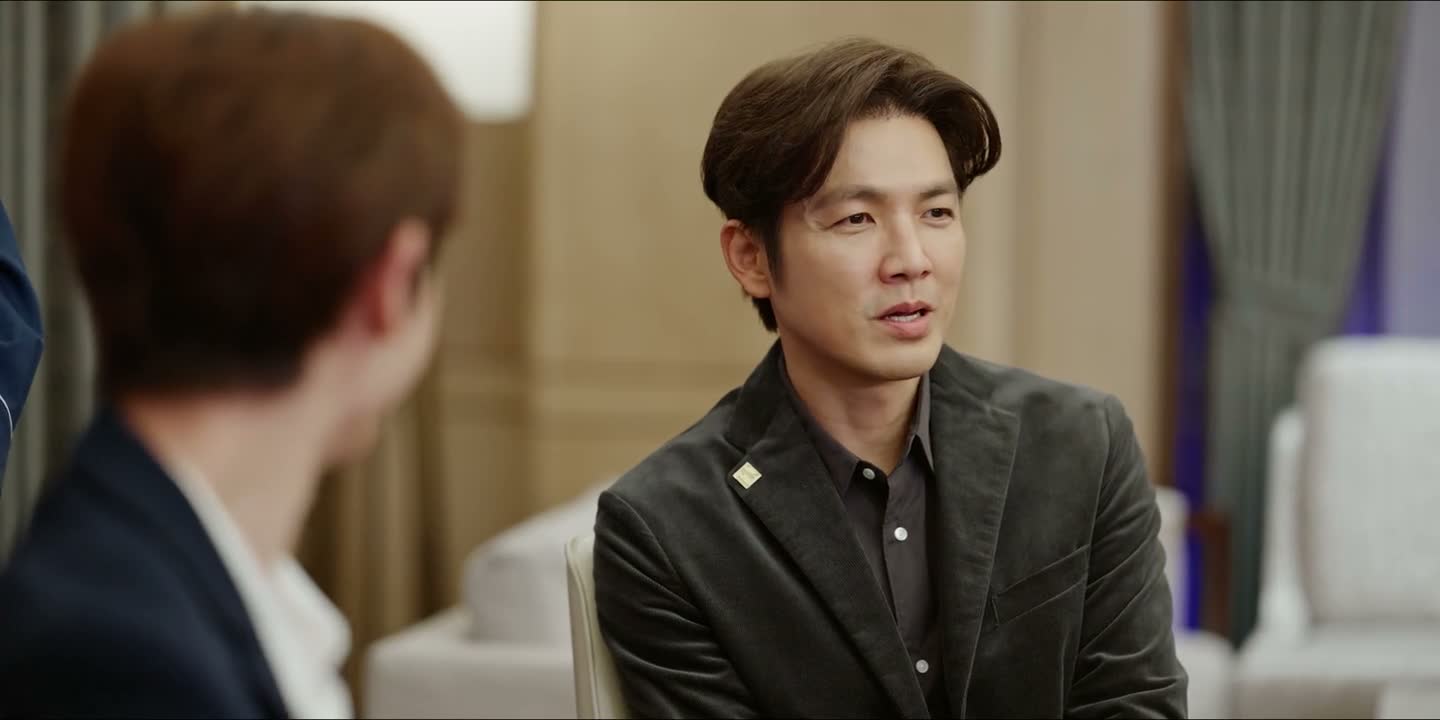
“You're flattering us.”
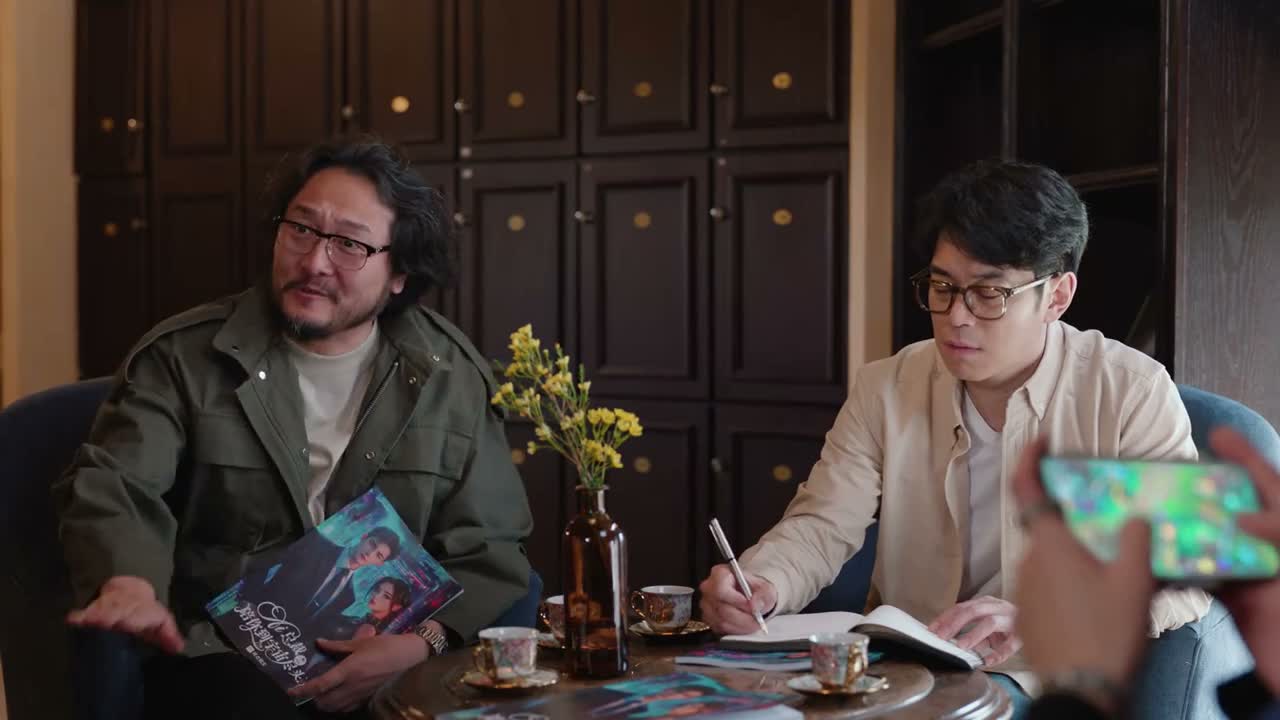
“To be honest... Director, excuse me.”
“He's here. I'm so sorry.”

“-Which way? -Sorry, this way. Okay.”

“You... -I'm sorry. -It's OK.”

“You can see, um... Excuse me. Excuse me, everyone.”

“It's nothing. Sorry.”
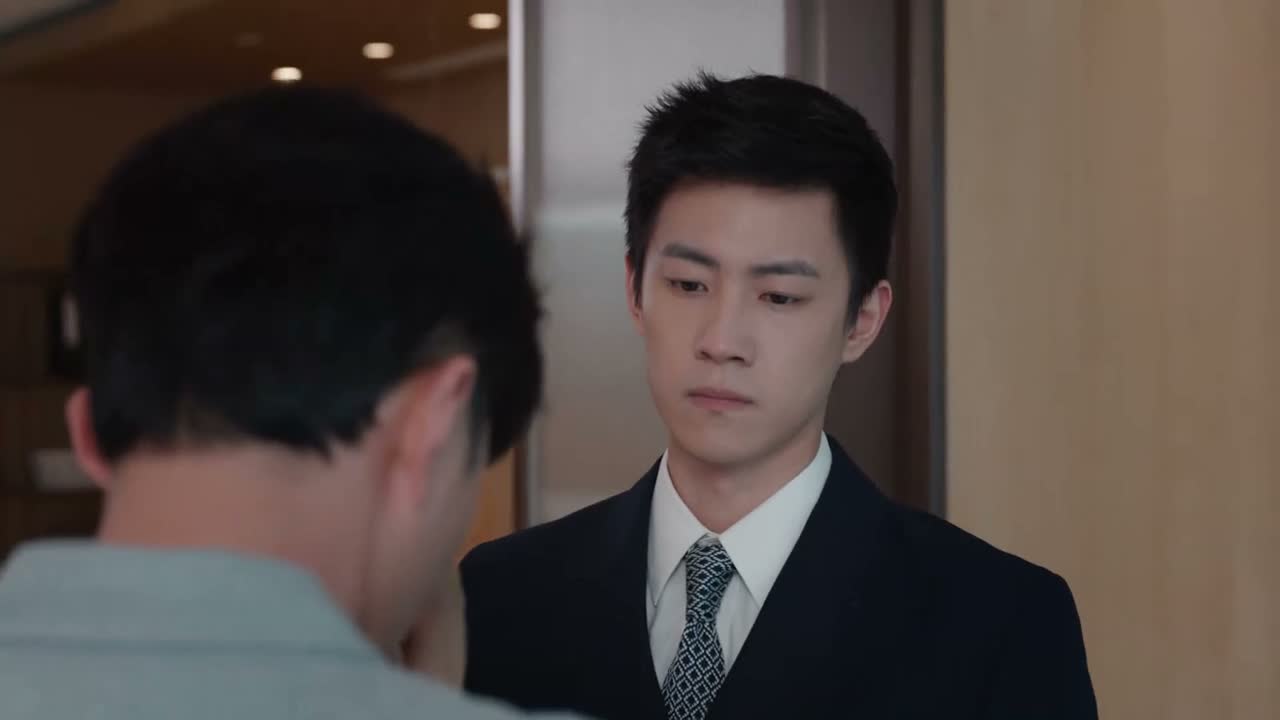
“Sorry. Don't worry, I will...”

“I really don't know, sorry. Sorry.”

“if he or she isn't mentally unhealthy.”
“It's okay. -I'm sorry. I really am. -It's okay.”
“No can do. I'm sorry. Please, Boss.”
“- Yeah, sorry. - You're fine. Take your time.”
“Sorry. It's fine. No worries.”

“Sorry. I'm so sorry. Get out.”

“I'm sorry. I didn't hear anything just now.”
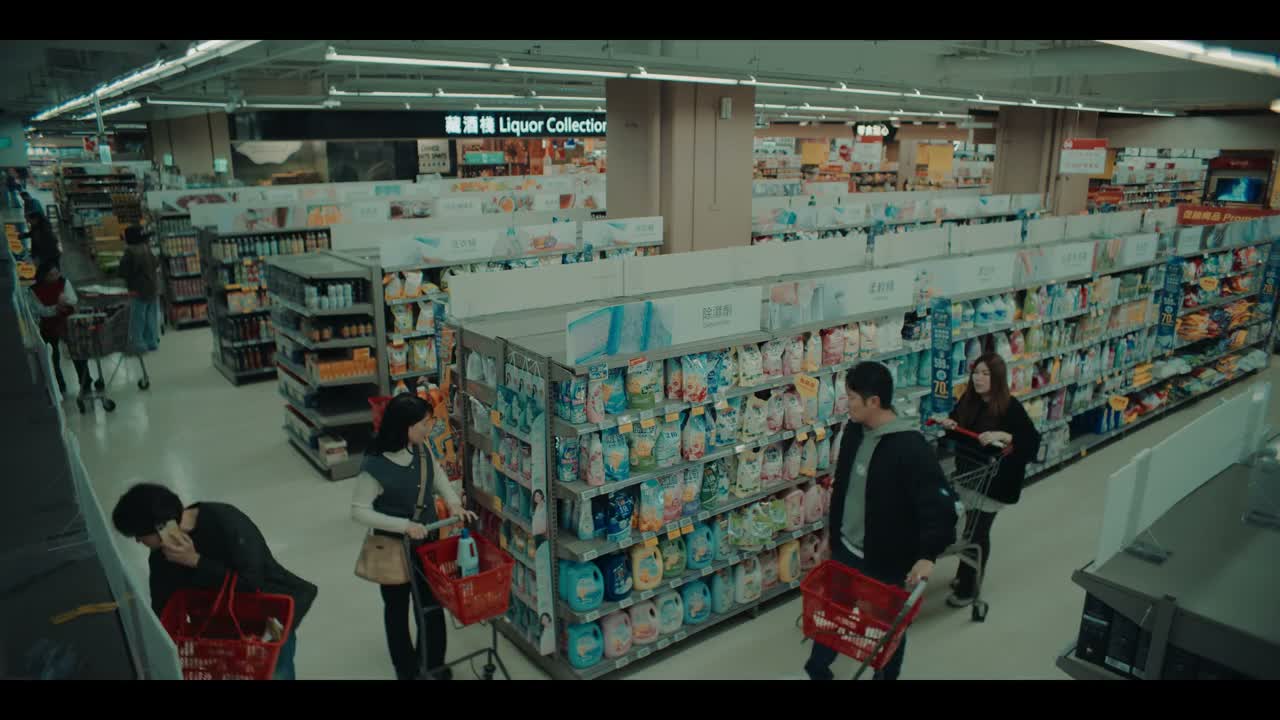
“- Excuse me. Can I get through? - Oh, sorry.”
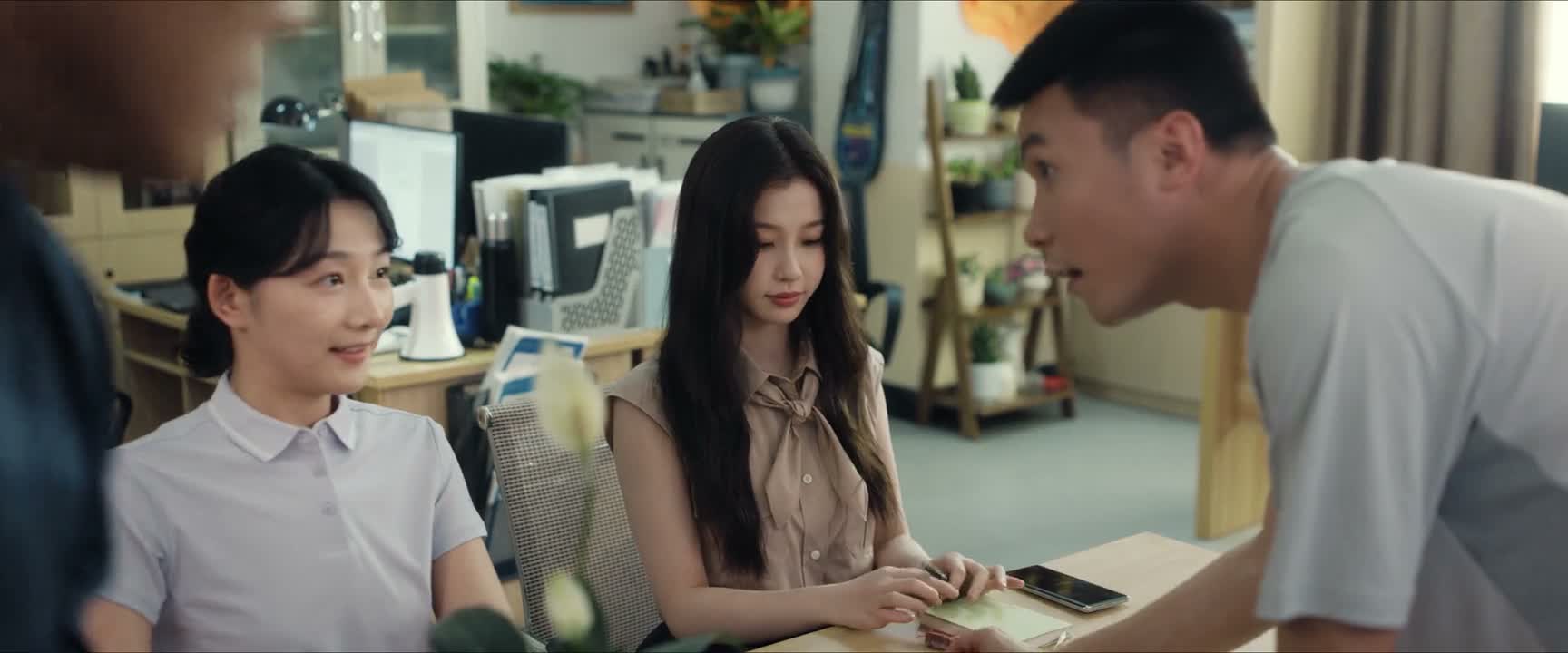
“-And this. -Sorry. Sorry. I'm sorry.”