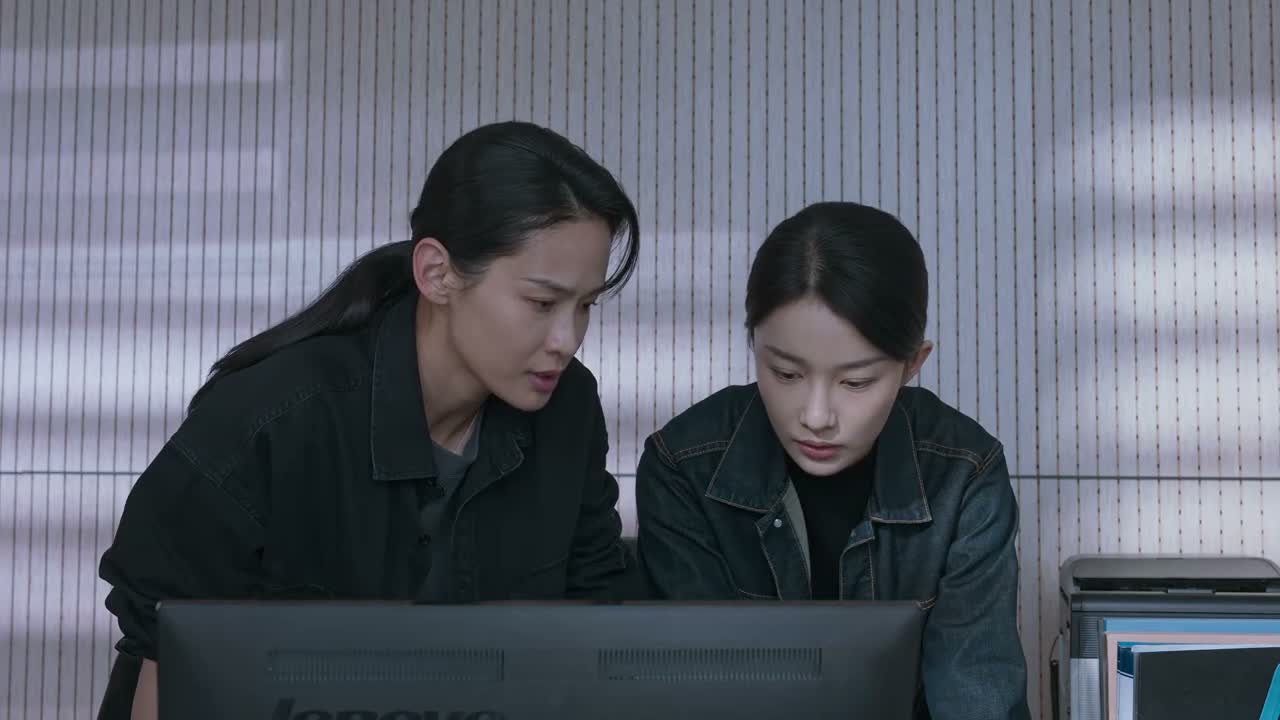
《Vanished Name》 S1·E1 (07:20)
HSK 4
nà běn rì jì qù nǎ le
那本日记去哪了
“(Where did that diary go?)”
《Vanished Name》
S1·E1
TIMECODE: 07:20
·
1080P MASTER AUDIO
THE DIALOGUE REEL
[-1] PREVIOUS TURN
kě xī jí shǐ zhǎo dào le rì jì yě bù néng gōng kāi tā zhǐ néng shì gè mì mì
可惜即使找到了日记也不能公开 它只能是个秘密
“(But even if I find it, it can't be made public.) (It must remain a secret.)”
nà běn rì jì qù nǎ le
CURRENT FOCUS
那本日记 去哪了
“(Where did that diary go?)”
[+1] FOLLOW-UP TURN
kěn dìng shì bèi liú xiāo rán cáng qǐ lái le
“(I bet Liu Xiaoran hid it. And he's playing dumb.)”
Subtitles synced to millisecond timecode
Browse Show Clips →
Scene:
Crisis & Conflict
Function:
SEEKING INFORMATION
Tone:
INQUISITIVE
Emotion:
ANXIETY
WHAT THEY REALLY MEAN (PRAGMATIC SUBTEXT)
“Wait, do we even have the diary? Tell me someone did not take it!”
💡 Cultural Insight: Crisis Pragmatics
In high-stakes conversations, Chinese speakers frequently drop pleasantries and transition directly into blunt question forms like '去哪了' to convey urgency.
INTENT TAGS:
#inquiring
#tracing
#urgency
#investigating
🧩
1 CHUNKS · 1 PARTICLES
LEARNING CHUNKS & PARTICLES
去哪了
SPOKEN CHUNK
where did it go; where has it gone
Extremely frequent everyday phrase used to ask about the disappearance of both people and lost objects.
Modal Particle「了」 (le)
CHANGE OF STATE
Indicates a newly noticed change of state or situation regarding the disappearance of the object.
🏮
1 EXPR · 0 GRAMMAR
VOCABULARY & EXPRESSIONS
COLLOQUIAL EXPRESSIONS:
CROSS-CINEMA CORPUS BOARD · PARALLEL SCENES
EXPLORE BY SEMANTIC SIMILARITY
Parallel Spoken Cinema Scenes (语义近邻切片)
《Vanished Name》 S1·E1 (07:20) · Authentic Cinema Dialogue Corpus