你记得今天啥日子不
“Do you remember what day it is today?”
THE DIALOGUE REEL
你还没给钱 你没资格说我
“Pay if you want to criticize me.”
你 记得 今天 啥日子 不
“Do you remember what day it is today?”
钱小飞 钱小飞 钱小飞 钱小飞
“Qian Xiaofei. Qian Xiaofei. Qian Xiaofei.”
“You better have remembered our special occasion, or you're in big trouble.”
Asking whether a partner remembers a special date is a classic conversational ritual in modern Chinese dating to assess how attentive and invested they are.
LEARNING CHUNKS & PARTICLES
what special day / what date
A colloquial northern expression referring to an anniversary, birthday, or festival.
do you remember ... or not
A relaxed, dialectal or informal variant of the standard affirmative-negative question '记不记得'.
Placed at the clause end to form a casual yes-no inquiry, common in northern Chinese speech.
VOCABULARY & EXPRESSIONS
Parallel Spoken Cinema Scenes (语义近邻切片)

“♪ The love I gave ♪ Don't you know what day it is today?”
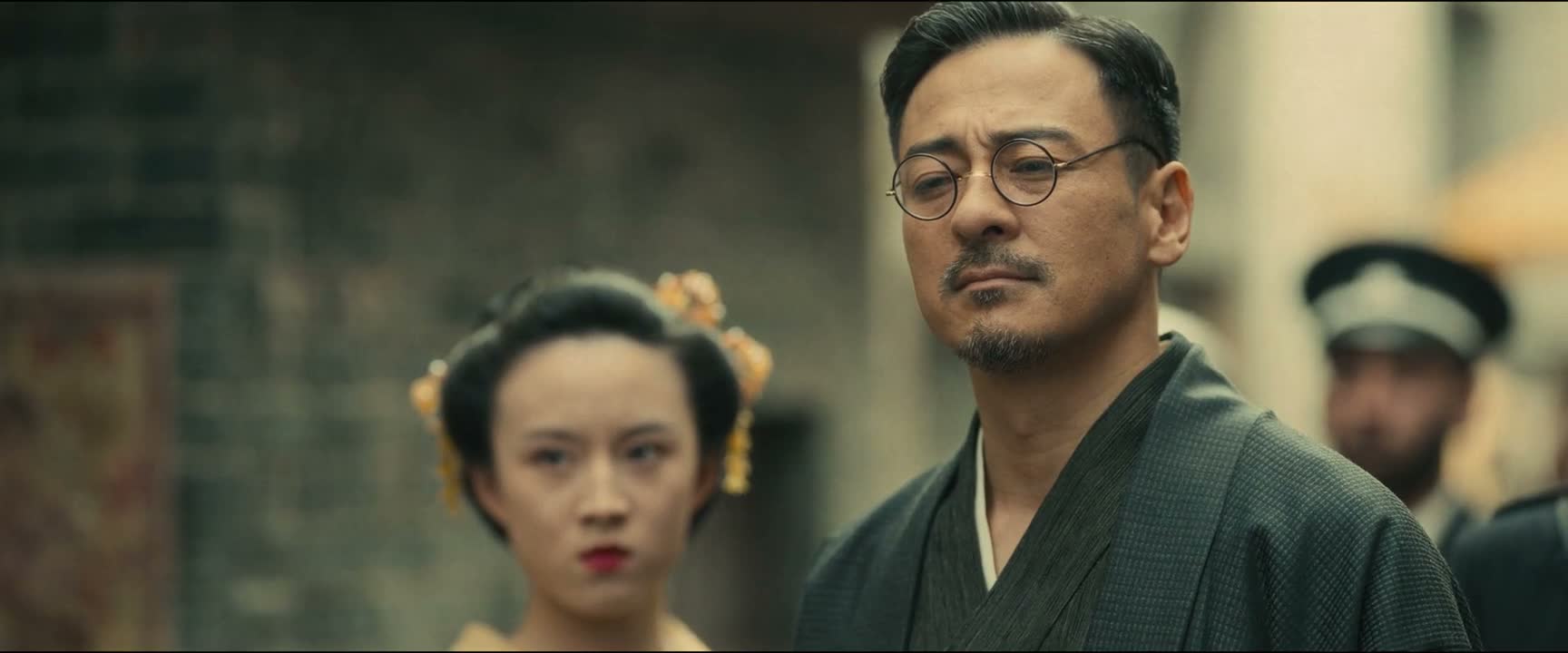
“But do you know what day it is today?”
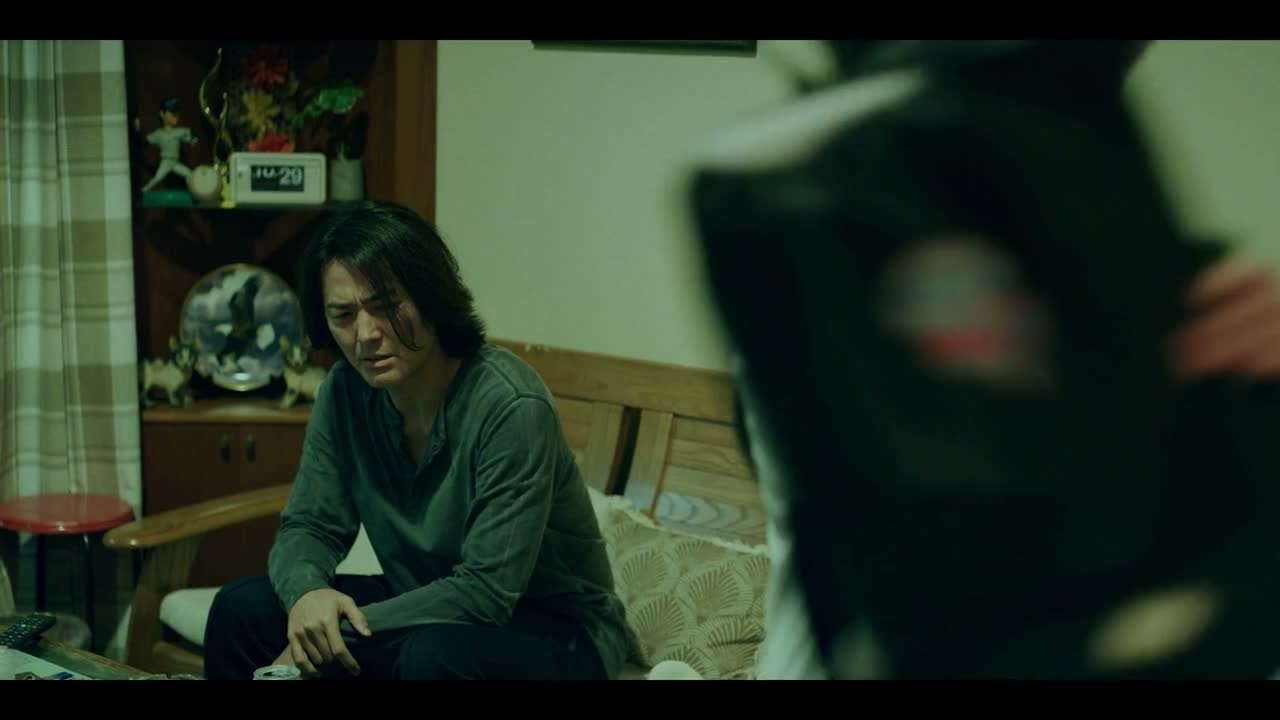
“And have you totally forgotten what day it is today?”