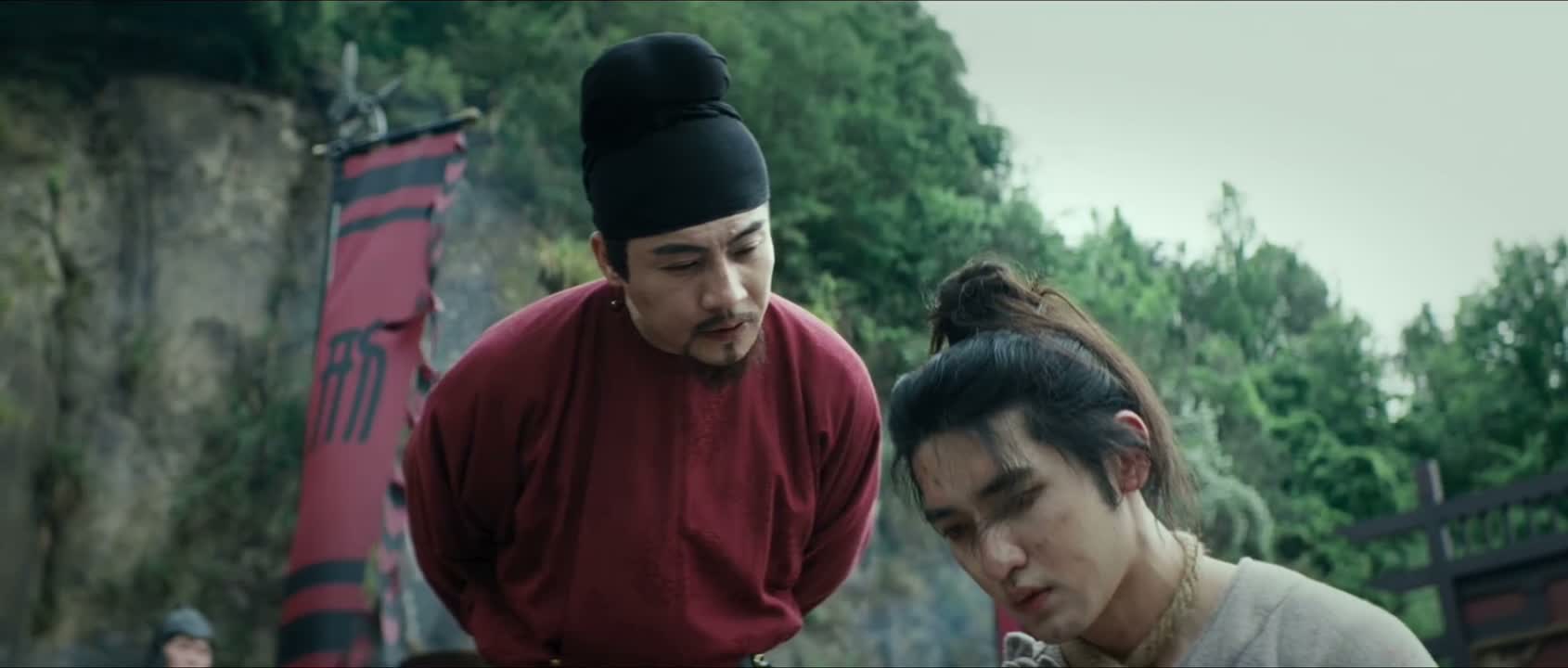
《Archives: The Nanyang Mystery》 S1·E4 (22:54)
HSK 4
nǐ yòu huì zěn me jiě shì zhè jiàn shì ne
你又会怎么解释这件事呢
“how will you explain yourself?”
《Archives: The Nanyang Mystery》
S1·E4
TIMECODE: 22:54
·
1080P MASTER AUDIO
THE DIALOGUE REEL
[-1] PREVIOUS TURN
nà rú guǒ nǐ dào shí hòu méi yǒu zhǎo dào rén
“But if you don't find anyone in the end,”
nǐ yòu huì zěn me jiě shì zhè jiàn shì ne
CURRENT FOCUS
你又会 怎么解释 这件事呢
“how will you explain yourself?”
[+1] FOLLOW-UP TURN
wàn yī méi yǒu zhǎo dào rén de huà nà wǒ zhǐ néng
万一没有找到人的话 那我只能
“If I don't find anyone, then I can only...”
Subtitles synced to millisecond timecode
Browse Show Clips →
Scene:
Crisis & Conflict
Function:
DEMANDING EXPLANATION
Tone:
CHALLENGING
Emotion:
SKEPTICISM
WHAT THEY REALLY MEAN (PRAGMATIC SUBTEXT)
“You won't have any valid excuse when this falls apart.”
💡 Cultural Insight: Rhetorical Questioning with '又'
Inserting '又' before question words like '怎么' (how) is a pragmatic device in Mandarin to express skepticism and challenge the listener's assumptions.
INTENT TAGS:
#challenging
#accountability
#skepticism
#cornering
🧩
2 CHUNKS · 1 PARTICLES
LEARNING CHUNKS & PARTICLES
又会怎么
SPOKEN CHUNK
how on earth would (you)
The adverb '又' adds rhetorical weight and skepticism to an interrogative question.
解释这件事
SPOKEN CHUNK
explain this matter / justify this
A standard collocation used when demanding an explanation or account for an incident.
Modal Particle「呢」 (ne)
CHANGE OF STATE
Softens the rhetorical probe slightly while maintaining an inquisitive, pressing focus on the listener.
🏮
1 EXPR · 0 GRAMMAR
VOCABULARY & EXPRESSIONS
COLLOQUIAL EXPRESSIONS:
CROSS-CINEMA CORPUS BOARD · PARALLEL SCENES
EXPLORE BY SEMANTIC SIMILARITY
Parallel Spoken Cinema Scenes (语义近邻切片)


《Archives: The Nanyang Mystery》 S1·E4 (22:54) · Authentic Cinema Dialogue Corpus