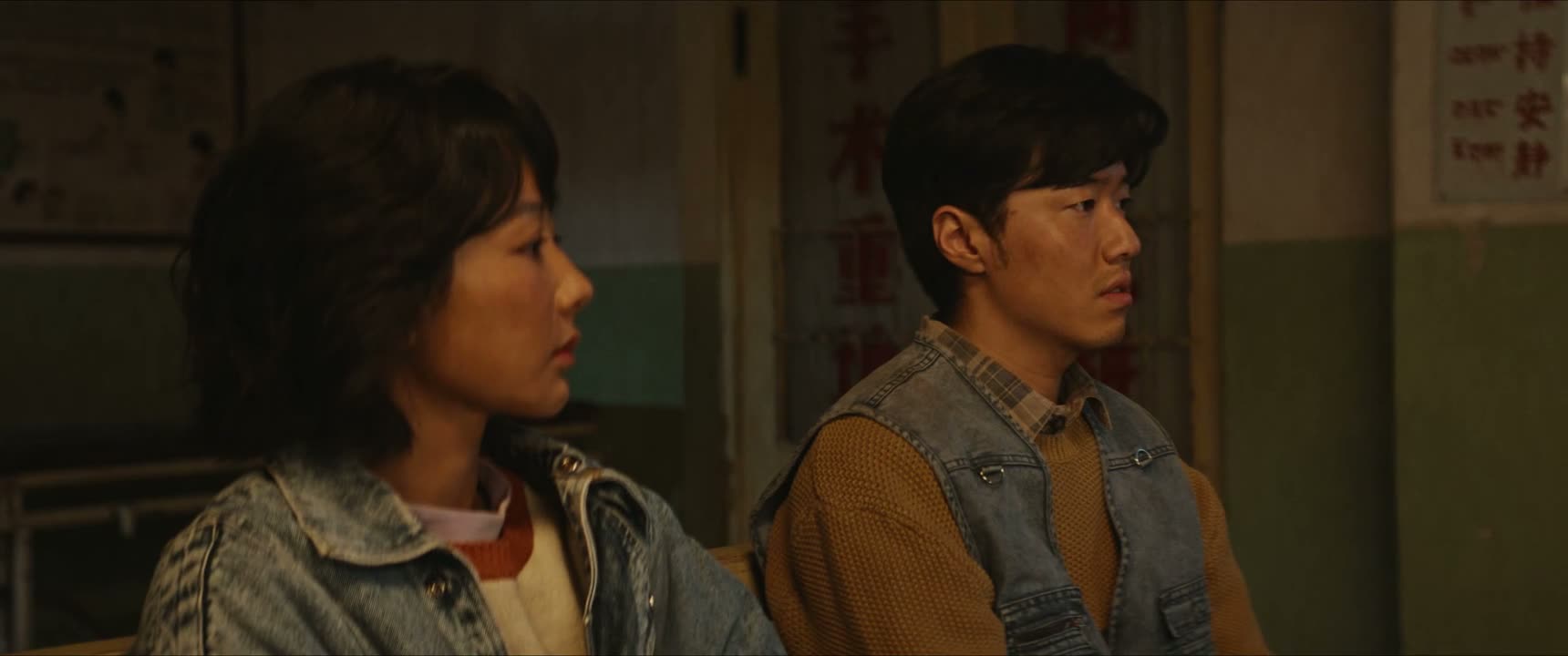
《Go Ahead》 S1·E14 (20:47)
HSK 7
shén me shì dōu ài wǎng zì jǐ shēn shàng lǎn
什么事都爱 往自己身上揽
“You love to take the burdens.”
《Go Ahead》
S1·E14
TIMECODE: 20:47
·
1080P MASTER AUDIO
THE DIALOGUE REEL
[-1] PREVIOUS TURN
jiù shì xīn sī zhòng
就是心思重
“just think too much.”
shén me shì dōu ài wǎng zì jǐ shēn shàng lǎn
CURRENT FOCUS
什么事都爱 往自己身上揽
“You love to take the burdens.”
[+1] FOLLOW-UP TURN
wǒ zhè bú shì shuō le
我这不是说了
“I said”
Subtitles synced to millisecond timecode
Browse Show Clips →
Scene:
Family & Home
Function:
CRITIQUING
Tone:
ADMONISHING
Emotion:
FRUSTRATION
WHAT THEY REALLY MEAN (PRAGMATIC SUBTEXT)
“You take on way too much and burn yourself out for no good reason.”
💡 Cultural Insight: Martyr Complex and Family Duty
In Chinese social and familial dynamics, individuals often feel an excessive obligation to bear collective burdens alone, which can lead to friction when loved ones worry about their well-being.
INTENT TAGS:
#critique
#concern
#character_assessment
#burden_sharing
🧩
2 CHUNKS · 0 PARTICLES
LEARNING CHUNKS & PARTICLES
往自己身上揽
SPOKEN CHUNK
to take (blame or responsibility) upon oneself
A colloquial idiom used when someone assumes too much burden, blame, or work that does not solely belong to them.
爱……
SPOKEN CHUNK
prone to / always doing something
Here '爱' does not mean 'love', but indicates a habitual tendency or habit, often with a slightly critical tone.
🏮
2 EXPR · 0 GRAMMAR
VOCABULARY & EXPRESSIONS
COLLOQUIAL EXPRESSIONS:
CROSS-CINEMA CORPUS BOARD · PARALLEL SCENES
EXPLORE BY SEMANTIC SIMILARITY
Parallel Spoken Cinema Scenes (语义近邻切片)
《Go Ahead》 S1·E14 (20:47) · Authentic Cinema Dialogue Corpus