MC
MandarinClips Cinema Corpus
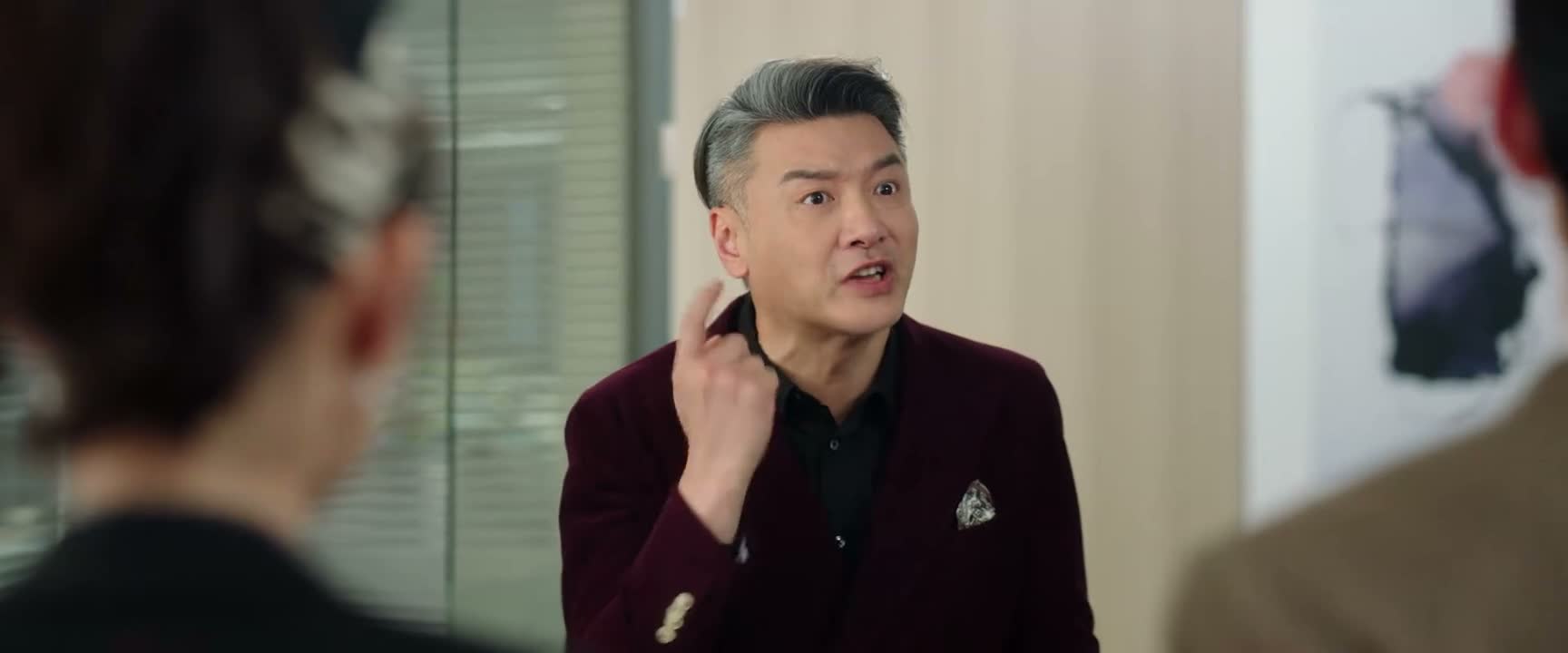
《The Lead》 S1·E13 (22:23) HSK 7
sāo dé wǒ men liǎn dōu bù zhī dào wǎng nǎ ér gē ne

臊得我们脸都不知道往哪儿搁呢

“We were too ashamed to show our faces.”

《The Lead》 S1·E13
TIMECODE: 22:23 · 1080P MASTER AUDIO

THE DIALOGUE REEL

1+1+1 SPOKEN CONTINUITY
[-1] PREVIOUS TURN jié guǒ kàn le gè shá

结果看了个啥

“And what did we see?”

sāo dé wǒ men liǎn dōu bù zhī dào wǎng nǎ ér gē ne CURRENT FOCUS

臊得我们 脸都不知道往哪儿搁 呢

“We were too ashamed to show our faces.”

[+1] FOLLOW-UP TURN rén jiā dōu shuō ne nà nián jì yuè dà ne nà yuè wěn zhòng ne ma

人家都说呢 那年纪越大呢 那越稳重呢嘛

“People always say that the older you get, the steadier you become.”

Subtitles synced to millisecond timecode Browse Show Clips →
Scene: Family & Home
Function: EXPRESSING EMBARRASSMENT
Tone: INDIGNANT
Emotion: SHAME
WHAT THEY REALLY MEAN (PRAGMATIC SUBTEXT)

Direct spoken expression in this communicative setting.

💡 Cultural Insight: Collective Face (Mianzi) and Elder Conduct

In Chinese culture, elders are expected to behave with gravitas (稳重); an elder acting inappropriately brings shame upon the entire family or social circle.

INTENT TAGS: #loss_of_face #humiliation #blame #venting
🧩

LEARNING CHUNKS & PARTICLES

2 CHUNKS · 1 PARTICLES
臊得 SPOKEN CHUNK

shamed to the point that; deeply embarrassed

A vivid northern colloquial verb describing extreme flush or shame caused by someone's improper act.

脸都没处搁 SPOKEN CHUNK

to lose face completely; have nowhere to hide one's face

A standard spoken idiom for extreme collective or personal loss of face (mianzi).

Modal Particle「呢」 (ne) CHANGE OF STATE

Emphasizes the ongoing feeling of disbelief and lingering awkwardness.

🏮

VOCABULARY & EXPRESSIONS

1 EXPR · 0 GRAMMAR
CROSS-CINEMA CORPUS BOARD · PARALLEL SCENES

Parallel Spoken Cinema Scenes (语义近邻切片)

EXPLORE BY SEMANTIC SIMILARITY
《The Lead》 S1·E13 (22:23) · Authentic Cinema Dialogue Corpus